
Understanding How Scars Form and Why They Vary
Every scar tells a story of your body's remarkable wound healing process, but not all scars are created equal. When the skin's deeper layer, the dermis, is damaged, the body rushes to close the wound by producing collagen fibers. Unlike the neatly organized collagen in uninjured skin, scar collagen is laid down in a parallel pattern that creates a different texture and appearance.
The severity, location, and depth of the wound, along with your genetics and age, all determine what kind of scar you end up with. Atrophic scars are indented depressions that form when the body produces too little collagen during healing, commonly seen after acne or chickenpox. Hypertrophic scars are raised, red, and firm but stay within the boundaries of the original wound.
Keloid scars extend beyond the wound borders, creating thick, rounded, sometimes painful growths that can continue growing for months or years after the injury has healed. Scars continue to mature and remodel for 12 to 18 months after an injury, which is why early intervention during this remodeling window produces the best cosmetic outcomes.!! Flat, pale scars are the most common type and result from well-healed wounds with normal collagen production.
Stretch marks are technically a form of scarring caused by rapid skin stretching during growth spurts, pregnancy, or weight changes. The color of a scar also evolves: new scars are often red or purple due to increased blood supply, gradually fading to pink and then white or silver as they mature. Understanding your scar type is critical because different types respond to entirely different treatments.

Proven Treatment Methods That Actually Reduce Scars
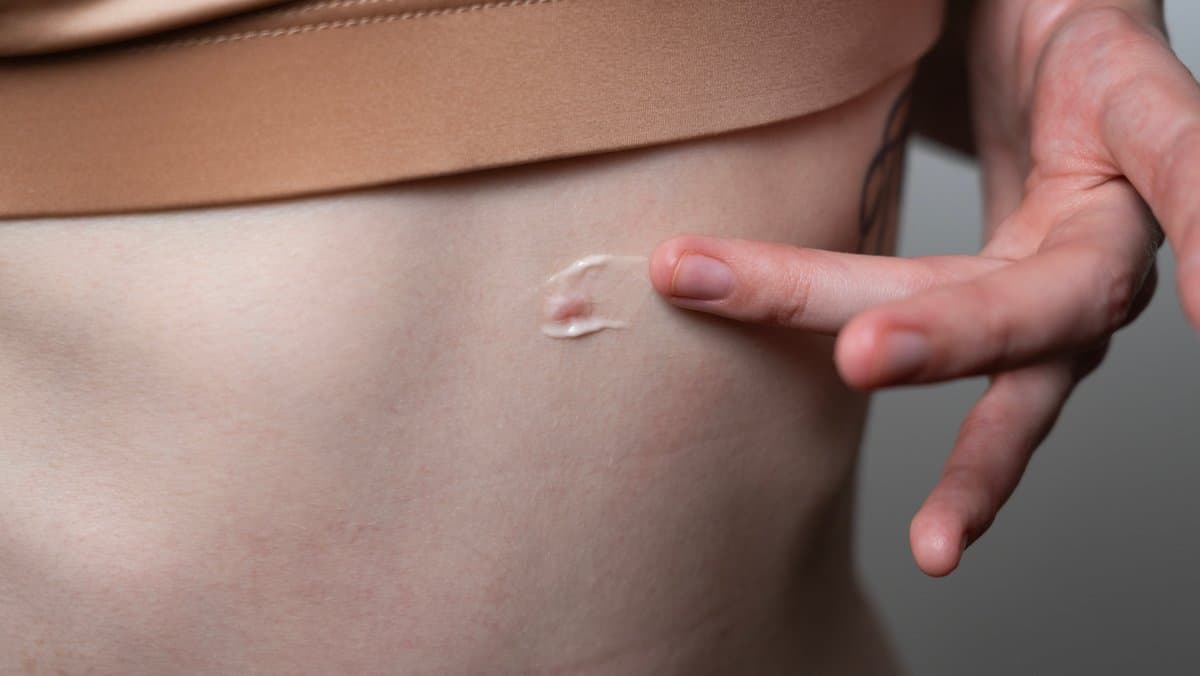
Silicone-based treatments are the gold standard for scar management, backed by decades of clinical research. Silicone sheets and gels work by hydrating the scar tissue and regulating collagen production. Applied daily for at least three months, they can flatten raised scars and improve color and texture.
For atrophic acne scars, microneedling stimulates the body to produce new collagen in the indented areas, with studies showing 50 to 70 percent improvement after a series of treatments. Chemical peels using glycolic or trichloroacetic acid resurface the skin by removing damaged outer layers, promoting smoother regrowth. Laser treatments offer the most advanced options: fractional CO2 lasers create microscopic wounds that trigger deep collagen remodeling, while pulsed dye lasers target the redness in newer scars.
Combining multiple treatment modalities, such as microneedling followed by topical vitamin C or laser therapy paired with silicone gel, consistently outperforms any single treatment used alone.!! For keloid and hypertrophic scars, corticosteroid injections can flatten the scar by breaking down excess collagen and reducing inflammation. Pressure therapy with specialized garments helps prevent keloid recurrence after treatment.
At home, consistent use of sunscreen on healing scars is essential because UV exposure can permanently darken scar tissue. Gentle massage of healing scars for five minutes daily can help break down excess collagen and improve flexibility. Retinoid creams accelerate cell turnover and can improve the texture of older scars over several months of use. While no treatment can erase a scar completely, the right combination can dramatically reduce visibility.