

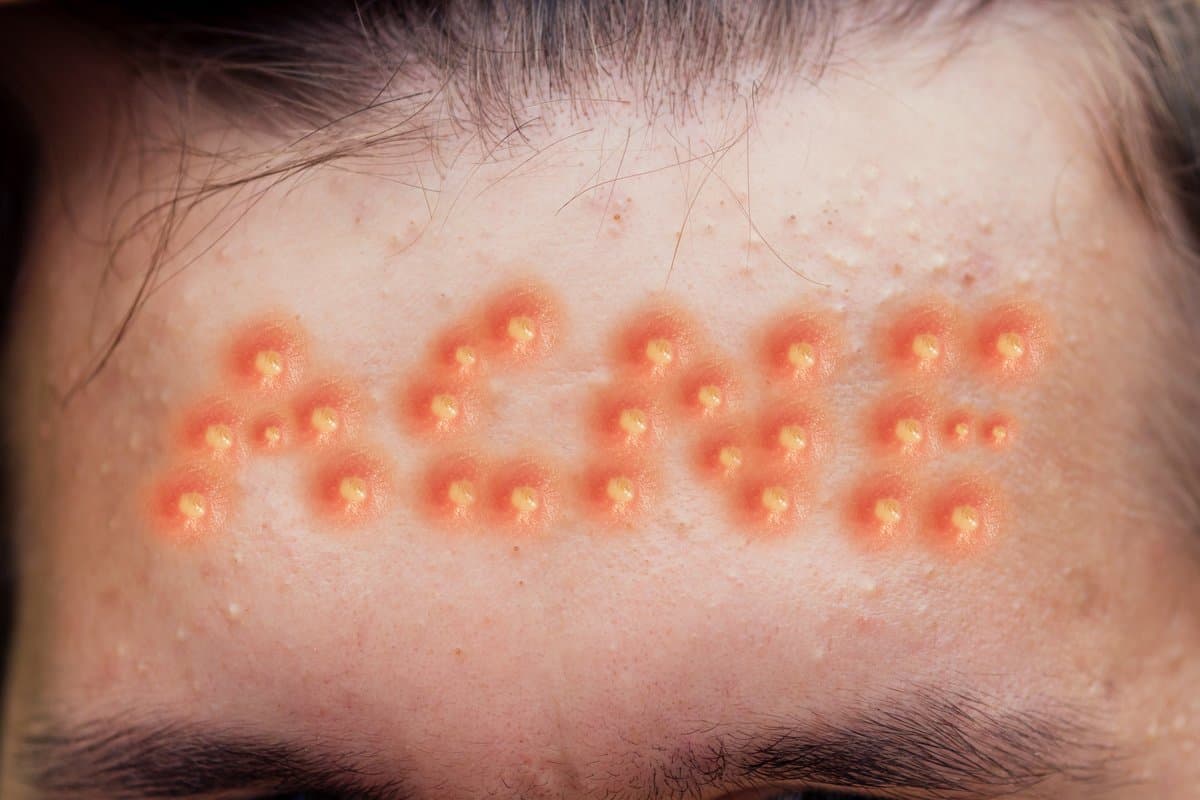
Causes Comunes de les Erupcions al Coll
El coll és una zona especialment propensa a les erupcions a causa de la seva combinació única de pell fina, fricció freqüent de la roba i joies, exposició al sol i irritants ambientals, i la presència de plecs de pell que atrapen la suor. La dermatitis de contacte és una de les causes més freqüents d'erupcions al coll, desencadenada per collarets que contenen níquel, locions perfumades, perfums ruixats directament al coll, productes per al cabell que gotegen o teixits irritants com bufandes de llana i collarets sintètics. L'erupció apareix típicament com taques vermelles i picants precisament a la zona de contacte.
L'erupció per calor es desenvolupa quan les glàndules sudorípares es bloquegen en l'àrea càlida i tancada del coll, especialment durant el temps càlid o l'activitat física, produint petits bultos vermells amb una sensació de punxada. L'eczema afecta comunament el coll, especialment en adults amb dermatitis atòpica, creant taques seques, picants i de vegades engrosades que poden exudar o formar crostes durant les crisis. Els plecs del coll en nadons són una de les ubicacions d'eczema més comunes.
La dermatitis seborreica pot estendre's del cuir cabellut fins al coll, produint taques escamoses i enrogides al llarg de la línia del cabell i darrere de les orelles. Les infeccions fúngiques com la tinea corporis també poden presentar-se com erupcions escamoses en forma d'anell al coll, i continuaran estenent-se sense un tractament antifúngic adequat, fent que la identificació correcta sigui particularment important.!! La psoriasis, tot i que menys comuna al coll que en altres ubicacions, pot produir plaques ben definides amb escames platejades. Les erupcions relacionades amb el sol, incloent l'erupció lumínica polimòrfica, poden aparèixer a la pell del coll exposada, especialment a la primavera quan la pell encara no s'ha adaptat a nivells UV més forts després de l'hivern.
Opcions de tractament i signes d'alerta
El tractament d'una erupció al coll depèn totalment d'identificar la causa correcta. Per a la dermatitis de contacte, el primer pas és identificar i eliminar el desencadenant que provoca la reacció, ja sigui una joia, una fragància o un teixit. Un cop s'ha eliminat l'irritant, l'erupció normalment es resol en una a dues setmanes amb l'ajuda d'una crema corticosteroide tòpica suau i una hidratació constant.
Per a les crisis d'eczema al coll, una rutina de cura de la pell suau amb hidratants a base de ceramides i antiinflamatoris tòpics prescrits pel dermatòleg proporciona els millors resultats. L'erupció per calor respon ràpidament a refredar l'àrea, portar roba fluida i permetre que la pell respiri. Les infeccions fúngiques requereixen cremes antifúngiques aplicades de manera constant durant almenys dues a quatre setmanes fins i tot després que l'erupció visible hagi desaparegut per prevenir la recurrència.
Per a qualsevol erupció al coll, evita rascar-te, ja que la pell fina del coll és propensa a cicatrius i canvis de pigmentació postinflamatòria. Utilitza aigua tèbia quan rentis l'àrea i evita sabons o gels de dutxa amb fragància. Busca atenció mèdica immediata si una erupció al coll va acompanyada de dificultat per empassar o respirar, febre, enrogiment que s'estén ràpidament, butllofes doloroses o taques púrpures o fosques que no es blanquegen quan es pressionen, ja que aquestes poden indicar condicions greus que requereixen atenció urgent.!!
Una erupció que persisteix sense canvis durant més de tres setmanes malgrat la cura bàsica a casa també hauria de ser avaluada professionalment. Quan visitis el teu metge, menciona qualsevol producte nou, medicament, aliment o exposició ambiental que coincidís amb l'aparició de l'erupció, ja que aquesta informació és inavaluable per al diagnòstic.
