

Të Njohim Shënjat e Dëmtimit nga Dielli
Dëmtimi nga dielli akumulohet në heshtje gjatë viteve, dhe deri në momentin që shenjat e dukshme shfaqen, ndryshime të rëndësishme kanë ndodhur tashmë nën sipërfaqe. Të dhënat më të zakonshme përfshijnë linjat e imta dhe rrudhat që shfaqen më herët se sa pritej, teksturën e lëkurës që është e ashpër ose si lëkura e kafshëve, pigmentimin e paqëndrueshëm siç janë njollat e diellit ose njollat e moshës, dhe humbjen e fortësisë dhe elasticitetit. Flekset që errësohen ose shumohen, kapilarët e thyer në hundë dhe faqe, dhe një kompleksion i njollosur ose të njollosur janë të gjitha shenja të foto-plakjes.
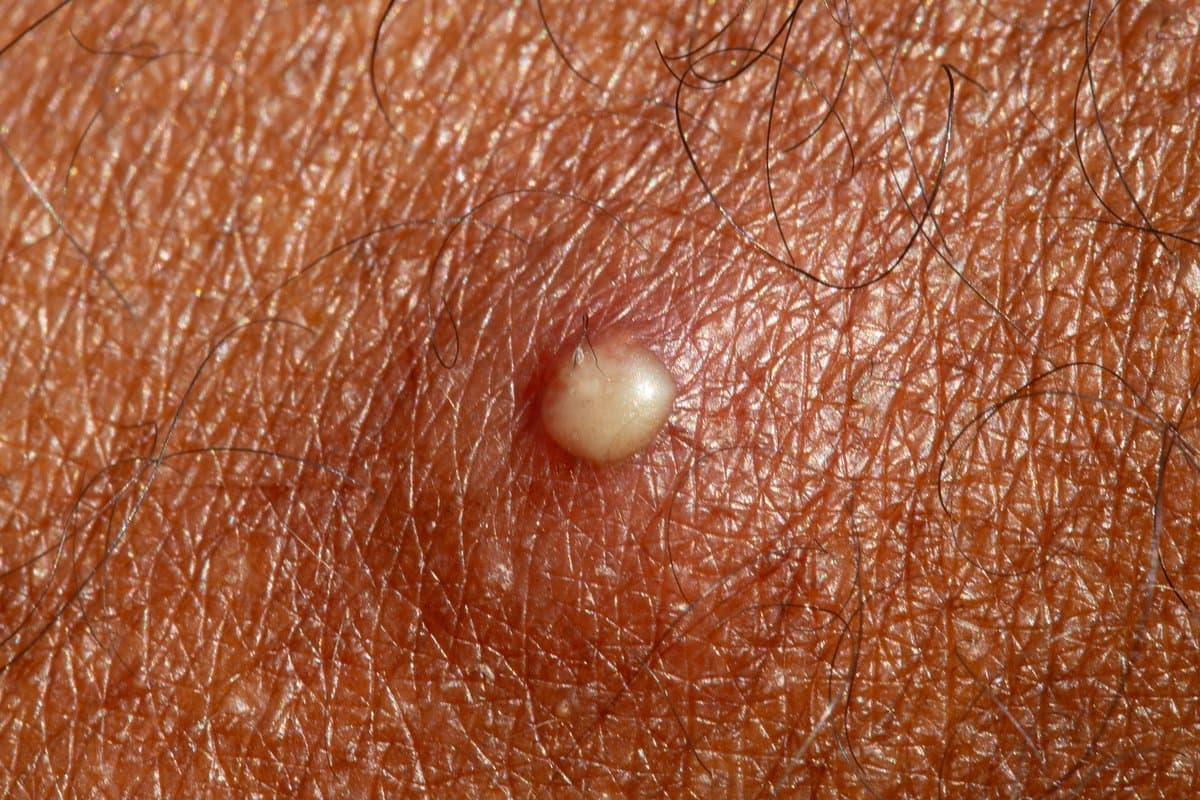
Shënjat më shqetësuese përfshijnë keratozat aktinike, të cilat janë njolla të ashpra dhe të shkallëzuara që ndihen si letër sandpaper dhe përfaqësojnë ndryshime prekancerogjene në lëkurë. Deri në 90 përqind e plakjes së dukshme të lëkurës shkaktohet nga ekspozimi ndaj UV dhe jo nga procesi natyror i plakjes, që do të thotë se shumica e asaj që ne e konsiderojmë plakje është në të vërtetë dëmtim i parandalueshëm nga dielli.!! Zonat që marrin më shumë ekspozim ndaj diellit, përfshirë fytyrën, qafën, gjoksin, duar dhe parakrahë, tregojnë dëmtimin më herët.
Edhe lëkura që nuk ka qenë kurrë e djegur nga dielli mund të ketë dëmtime të gjera nga UV, sepse ekspozimi i ulët çdo ditë nga ecja deri te makina juaj, ulja pranë dritareve dhe momentet e shkurtra jashtë grumbullohen gjatë dekadave. Nëse vëreni njolla të reja ose në ndryshim, njolla të ashpra, ose zona që nuk shërohen, ato ndryshime meritojnë vlerësim.

Si të Parandaloni Dëmtimin e Mëtejshëm dhe të Riparoni Lëkurën Tuaj
Hapi më efektiv është përdorimi i vazhdueshëm i kremit mbrojtës nga dielli çdo ditë. Një SPF 30 ose më i lartë i aplikuar çdo mëngjes dhe i ripërsëritur çdo dy orë gjatë ekspozimit të zgjatur bllokon rrezet UV që shkaktojnë dëme të mëtejshme. Rrobat mbrojtëse, kapelat me brimë të gjerë, dhe kërkimi i hijes gjatë orëve kulmore të UV midis orës 10 të mëngjesit dhe 4 të pasdites ofrojnë mbrojtje shtesë.
Për riparim, retinoidët janë standardi i artë. Tretinoini me recetë ka dekada prova klinike që tregojnë se mund të kthejë linjat e imta, të përmirësojë teksturën e lëkurës dhe të zbehtë pigmentimin duke përshpejtuar qarkullimin e qelizave dhe duke rritur prodhimin e kolagjenit. Serumet e vitaminës C ofrojnë mbrojtje antioksiduese dhe ndihmojnë në ndriçimin e njollave ekzistuese nga dielli.
Studimet klinike tregojnë se përdorimi i vazhdueshëm i retinoidëve i kombinuar me krem mbrojtës nga dielli çdo ditë mund të kthejë deri në 10 vjet plakje të dukshme foto brenda 6 deri në 12 muajve.!! Eksfoliantët kimikë si acid glicolik heqin qelizat e dëmtuara të sipërfaqes dhe stimulojnë rinovimin. Për dëmtime më të thella, trajtimet profesionale si peeling kimik, rifreskimi me lazer, terapia me dritë të intensifikuar dhe mikronedling mund të targetojnë pigmentimin, kapilarët e thyer dhe humbjen e kolagjenit më agresivisht. Keratozat aktinike kërkojnë trajtim mjekësor përmes krioterapisë, kremrave të kimioterapisë topike, ose terapisë fotodinamike, pasi ato kanë një rrezik të vogël por real të përparimit në karcinomën e qelizave skvamozë nëse lihen pa trajtim.
