
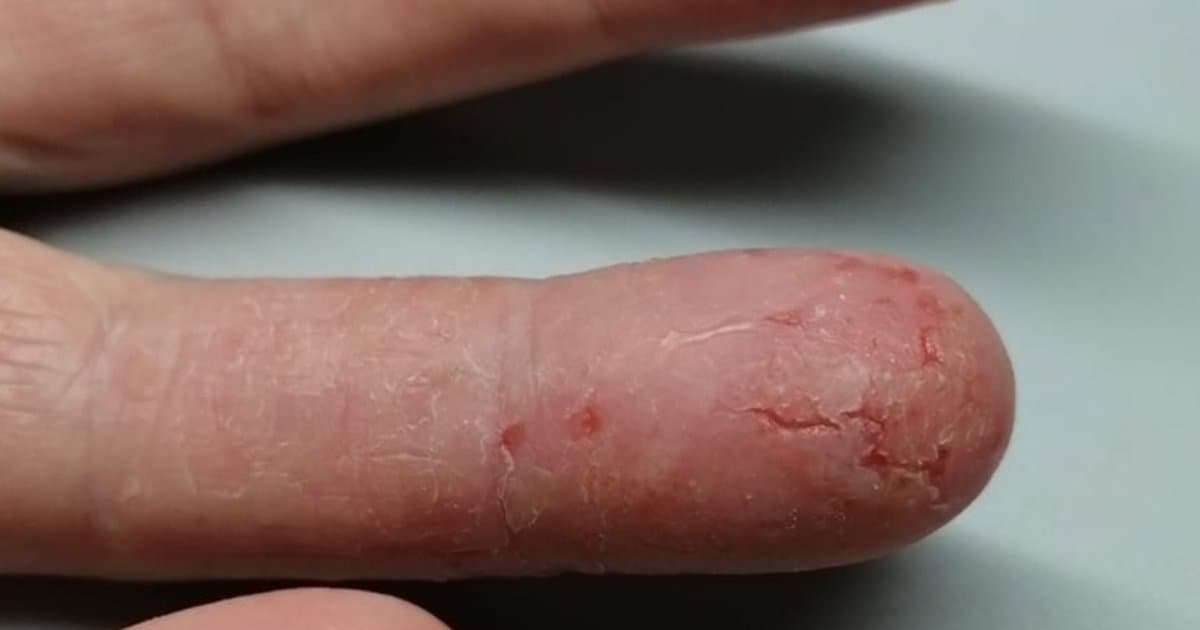
What Is Eczema and Why Does It Itch So Relentlessly?
Eczema, medically known as atopic dermatitis, is a chronic inflammatory skin condition characterized by intensely itchy, red, dry, and sometimes oozing patches of skin. The defining feature of eczema is the itch—not the mild annoyance of dry skin, but a relentless, maddening itch that dominates your awareness, disrupts your sleep, and drives you to scratch until your skin bleeds. Eczema affects approximately 10-20% of children and 1-3% of adults worldwide, making it one of the most common chronic skin conditions.
For many, it begins in infancy or early childhood and improves with age, but about 40% of childhood eczema persists into adulthood, and some people develop it for the first time as adults. The condition results from a complex interaction between genetic factors, immune dysfunction, and skin barrier defects. People with eczema have mutations in genes responsible for producing filaggrin, a protein crucial for maintaining the skin's protective barrier.
This compromised barrier allows moisture to escape (creating the characteristic dryness) and allergens, irritants, and microbes to penetrate more easily (triggering inflammation and immune responses). The immune system in eczema is overactive, producing excessive inflammatory chemicals in response to triggers that wouldn't bother normal skin. This creates a vicious cycle: damaged skin barrier leads to inflammation and itching; scratching further damages the barrier and introduces bacteria; damaged skin becomes more inflamed; inflammation intensifies itching; more scratching causes more damage.
The result is the 'itch-scratch cycle' that defines the eczema experience—an exhausting battle between the desperate need for relief through scratching and the knowledge that scratching makes everything worse. Living with severe eczema means living with constant discomfort, disrupted sleep (the itch often intensifies at night), visible skin lesions that affect self-esteem, and the daily burden of extensive skin care routines. Every day of poorly managed eczema is a day of unnecessary suffering and increased risk of skin infections. Upload a photo and get results in seconds to understand what you're dealing with.
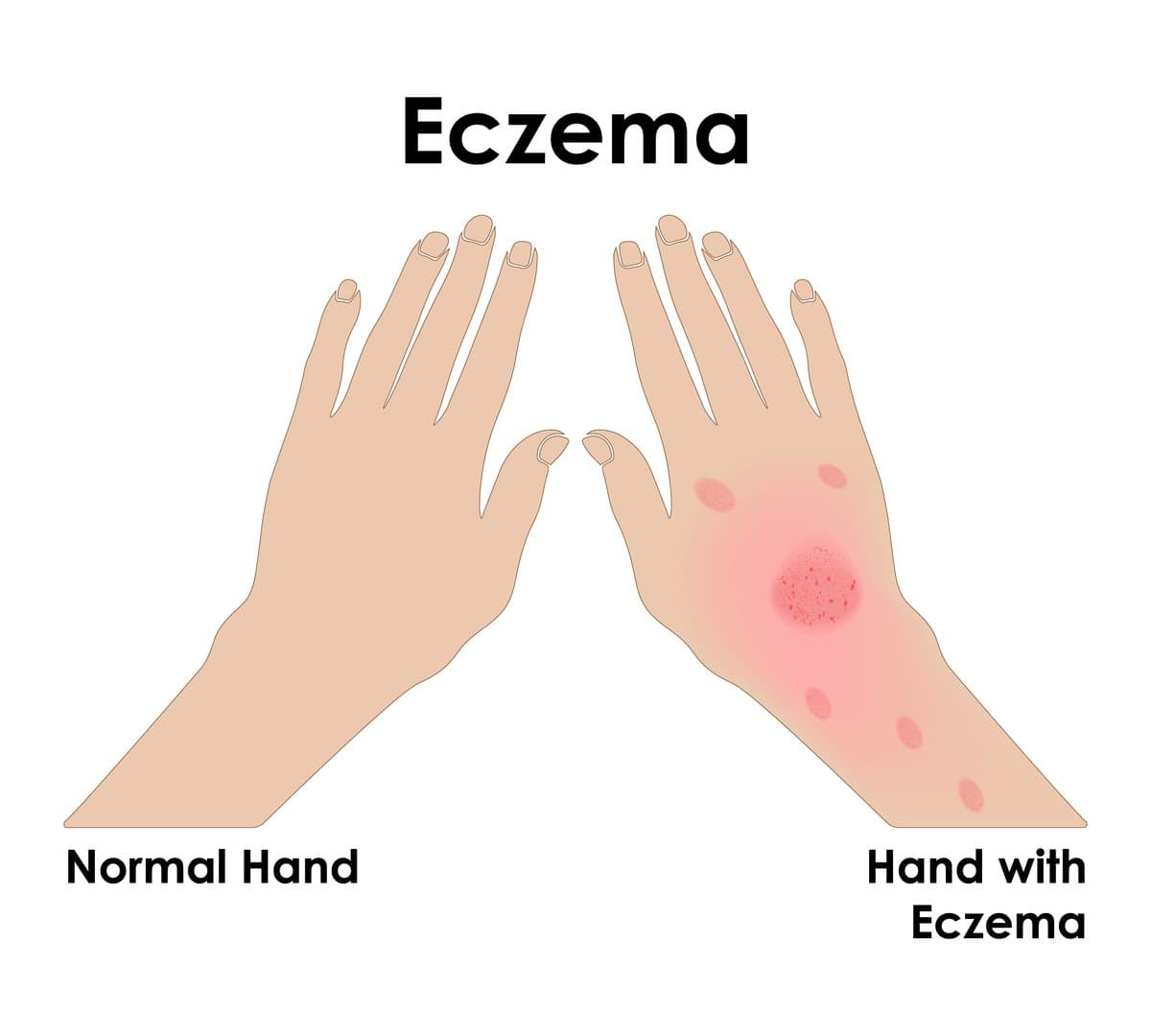
Types of Eczema: It's Not All the Same Condition
When people say 'eczema,' they usually mean atopic dermatitis, but several distinct types of eczema exist, each with different causes and treatments. Atopic dermatitis is the most common type, associated with personal or family history of allergies, asthma, or hay fever (the 'atopic triad'). It typically begins in infancy with rashes on the face and scalp, then moves to the creases of elbows and knees in older children and adults.
Contact dermatitis occurs when skin reacts to an irritant (irritant contact dermatitis) or allergen (allergic contact dermatitis). Irritant contact dermatitis results from repeated exposure to harsh substances like detergents, solvents, or frequent hand-washing. Allergic contact dermatitis is an immune reaction to specific substances like nickel, fragrances, preservatives, or plants like poison ivy.
It appears as redness, itching, and sometimes blistering in areas that contacted the trigger. Dyshidrotic eczema causes small, intensely itchy blisters on the edges of fingers, toes, palms, and soles. These blisters may weep and become painful, eventually crusting over and peeling.
It often worsens with stress, seasonal allergies, or moisture exposure, and it's particularly frustrating because it affects the hands, interfering with daily activities. Nummular eczema appears as coin-shaped spots of irritated skin, typically on arms, legs, torso, or hands. These round patches are extremely itchy and may ooze or become scaly.
It often follows skin injury and can be triggered by dry skin, insect bites, or bacterial infection. Seborrheic dermatitis affects oily areas of the body—scalp, face (especially around the nose and eyebrows), and chest. In infants, it's called cradle cap.
It causes redness, flaking, and stubborn dandruff. Stasis dermatitis develops on the lower legs in people with poor circulation, causing swelling, redness, itching, and sometimes skin ulcers. Understanding which type of eczema you have is critical because treatments differ.
Treating allergic contact dermatitis without identifying and avoiding the allergen is futile; dyshidrotic eczema may require treatments that differ from atopic dermatitis; seborrheic dermatitis responds to antifungal treatments that don't help other eczema types. Your skin tells a story. Let AI read it.
Common Triggers and the Detective Work of Eczema Management
One of the most frustrating aspects of eczema is its unpredictability—your skin can be fine for weeks, then suddenly erupt in angry, itchy patches. While eczema flares can seem random, they're usually triggered by identifiable factors, and learning your personal triggers is essential for management. Environmental triggers include dry air (especially during winter with indoor heating), hot temperatures and sweating, and rapid temperature changes.
Irritants are everywhere: harsh soaps and detergents, fragrances in personal care products, rough fabrics like wool, household cleaners, and disinfectants. Even frequent hand-washing—necessary for hygiene—can trigger hand eczema in susceptible individuals. Allergens provoke flares in many people: dust mites, pet dander, pollen, certain foods (especially in children, with eggs, milk, soy, wheat, and nuts being common culprits), and mold.
Stress is a powerful trigger—major life events, chronic stress, and anxiety can all precipitate flares through complex immune and hormonal pathways. Infections trigger eczema: bacterial skin infections (particularly Staphylococcus aureus, which colonizes eczema-prone skin in 90% of patients), viral infections like colds or flu, and even fungal infections can worsen eczema. Hormonal changes affect many women's eczema, with flares occurring premenstrually, during pregnancy, or around menopause.
The detective work required to identify your triggers is tedious but essential. Keep a detailed diary tracking flares alongside potential triggers: What did you eat? What products did you use?
What was the weather like? Were you stressed? Were you sick?
Patterns emerge over weeks and months that single observations miss. Elimination diets under medical supervision can identify food triggers. Patch testing can identify contact allergens.
Reducing exposure to known triggers is as important as medication—the best steroid cream in the world won't control eczema if you're constantly re-exposing yourself to triggers. But even with perfect trigger management, eczema remains a chronic condition requiring ongoing treatment. Not sure if it's serious? Let our AI take a look.

Treatment Approaches: From Basic Moisturizers to Biologics
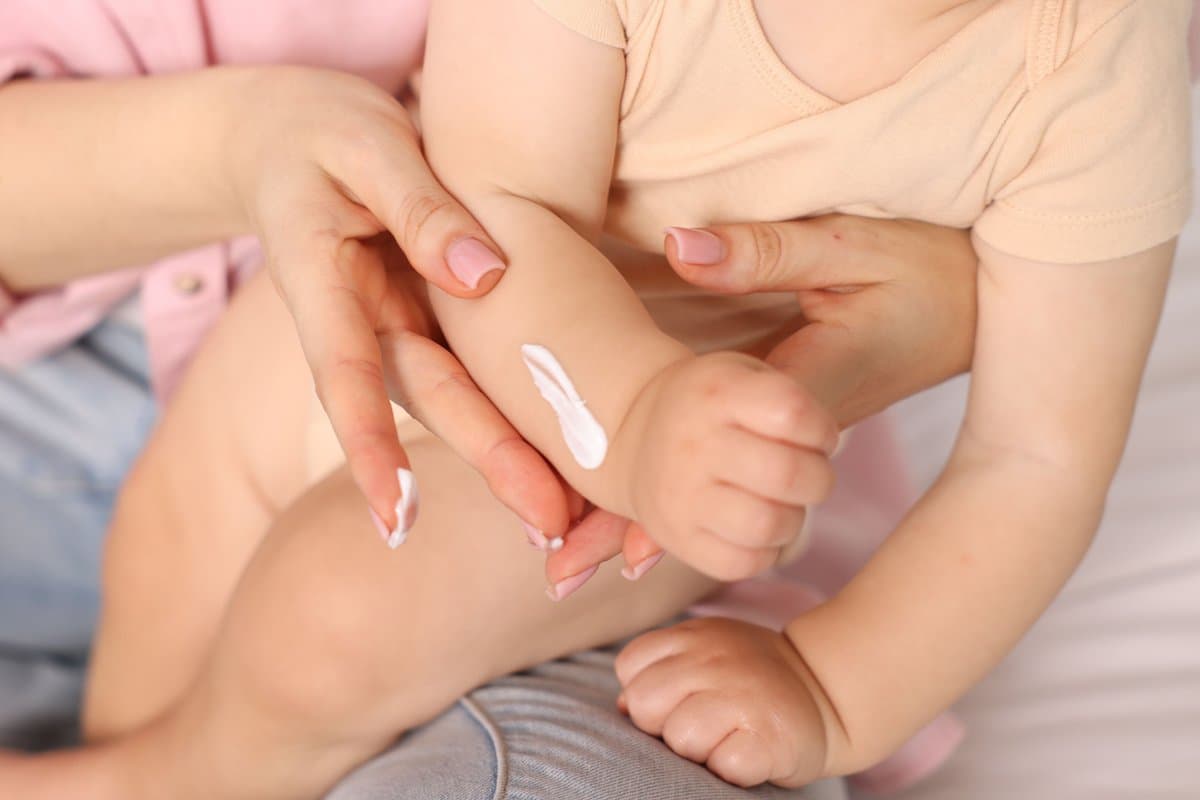
Effective eczema management follows a multi-layered approach addressing the skin barrier, inflammation, and itch. The foundation of all eczema treatment is aggressive moisturization—applying thick emollients (ointments like petroleum jelly or thick creams) multiple times daily, particularly immediately after bathing while skin is still damp.!! This 'soak and seal' method helps trap moisture and repair the damaged skin barrier.
For mild eczema, moisturization and trigger avoidance may suffice. Topical corticosteroids are the mainstay of anti-inflammatory treatment, available in various potencies from weak (hydrocortisone 1%) to super-potent (clobetasol). Low-potency steroids are safe for facial and genital areas and long-term use; high-potency steroids are reserved for thick-skinned areas and severe flares, used short-term due to side effects including skin thinning, stretch marks, and systemic absorption.
Many patients fear steroid side effects and under-use prescribed medications, allowing inflammation to persist—when used appropriately under medical supervision, topical steroids are safe and effective.!! Topical calcineurin inhibitors (tacrolimus, pimecrolimus) are non-steroidal anti-inflammatory medications safe for facial eczema and long-term use, particularly valuable for children. Newer topical JAK inhibitors like ruxolitinib offer another non-steroidal option.
For moderate to severe eczema not controlled by topicals, systemic treatments include phototherapy (exposing skin to controlled ultraviolet light under medical supervision), oral immunosuppressants (cyclosporine, methotrexate, mycophenolate mofetil), and the revolutionary biologic dupilumab (Dupixent), which targets specific inflammatory pathways and has transformed life for many severe eczema patients, reducing itching, healing lesions, and improving sleep and quality of life. JAK inhibitors (abrocitinib, upadacitinib) are oral medications offering another systemic option. Managing the itch requires multi-pronged approaches: antihistamines provide modest relief and sedation for nighttime itching; wet wrap therapy involves applying medications and moisturizers then wrapping affected areas in damp cloth covered by dry cloth, providing intense hydration and itch relief; keeping fingernails short and wearing cotton gloves at night reduces damage from unconscious scratching.
Infection management is critical: eczematous skin frequently becomes infected with Staphylococcus aureus, requiring antibiotic treatment (topical or oral). Bleach baths (adding small amounts of bleach to bathwater) reduce bacterial colonization and infection rates. The challenge is finding the right combination of treatments for your specific situation and maintaining these routines even when skin clears, as preventive maintenance reduces flare frequency. Take 30 seconds to scan—it could change your life.

The Itch-Scratch Cycle: Breaking the Most Vicious Circle
If you have eczema, you know the itch—it's not the mild, fleeting sensation of normal itchy skin. It's an intense, burning, maddening sensation that demands scratching. You know scratching makes it worse.
You know you shouldn't do it. But the relief, however temporary, is impossible to resist. This is the itch-scratch cycle, and it's the central challenge of living with eczema.
Here's what happens: inflammation in the skin releases chemical mediators (histamine, cytokines, neuropeptides) that trigger itch signals. Scratching provides momentary relief but damages the skin barrier further, introduces bacteria, and causes more inflammation. The damaged skin releases more itch-inducing chemicals, intensifying the sensation.
More intense itch demands more scratching, causing more damage and perpetuating the cycle. Over time, chronic scratching causes lichenification—the skin becomes thick, leathery, and even more itchy. Some people scratch unconsciously during sleep, waking to find blood on their sheets and shredded skin.
The psychological component is significant: stress and anxiety intensify itch perception; the itch causes stress and sleep deprivation; exhaustion reduces your ability to resist scratching; more scratching causes more stress. Breaking this cycle requires addressing multiple factors simultaneously. Anti-inflammatory treatments (topical steroids, calcineurin inhibitors, or systemic medications for severe cases) reduce the inflammatory signals driving the itch.
Aggressive moisturization repairs the barrier and reduces the triggers. Physical barriers like wearing cotton gloves at night, keeping nails extremely short, and covering affected areas with clothing reduce damage from scratching. Behavioral interventions help: habit reversal training teaches you to recognize the urge to scratch and substitute a less harmful response like pressing or pinching the area; mindfulness and stress reduction techniques reduce stress-amplified itching; cognitive-behavioral therapy for chronic itch addresses the psychological components.
Cool compresses provide temporary relief without damage. Distraction techniques—keeping hands busy with stress balls, fidget devices, or activities—reduce unconscious scratching. For children, distraction is particularly important, as they lack the self-control to resist scratching.
The reality is that breaking the itch-scratch cycle requires vigilance, comprehensive treatment, and often professional support. But it is possible, and the relief of escaping this vicious circle is profound. Curious about that spot? Get instant AI analysis.
Living with Eczema: Sleep Deprivation, Stigma, and Daily Battles
The true burden of eczema extends far beyond itchy skin. Sleep disruption is one of the most devastating impacts—itch intensifies at night due to increased skin temperature, reduced cortisol levels, and fewer distractions. People with moderate to severe eczema often wake multiple times nightly to scratch, resulting in chronic sleep deprivation that affects concentration, mood, work performance, and overall health.
Parents of children with eczema suffer similar sleep disruption from tending to itching, crying children. The visible nature of eczema, particularly facial and hand involvement, carries social and professional consequences. Children with eczema face bullying and social exclusion.
Adults report discrimination in professional settings, with visible lesions creating assumptions about contagiousness or hygiene. Dating and intimacy become fraught with anxiety about when to disclose the condition and fear of rejection. The physical sensations beyond itch—burning, stinging, tightness—create constant discomfort.
Cracked, bleeding skin is painful. Eczema on hands interferes with work and daily activities; facial eczema affects self-esteem and social interactions; genital eczema impacts intimate relationships. The daily management routine is time-consuming and expensive: bathing carefully with lukewarm water and gentle cleansers, applying medications to affected areas, moisturizing the entire body multiple times daily—this can take an hour or more.
Ointments and creams are greasy, stain clothing, and feel unpleasant. The financial burden is substantial: prescription medications (especially biologics like Dupixent costing tens of thousands annually), specialized skin care products, increased laundry costs from stained clothing and frequent bedding changes, and lost work productivity during severe flares. The mental health impact is profound: depression and anxiety occur at significantly elevated rates in eczema patients compared to the general population.
The chronic nature of the condition—knowing it will never truly go away—creates hopelessness. The unpredictability of flares causes anxiety. The visible nature affects body image and self-esteem.
Support systems matter: connecting with others who understand through online communities or support groups reduces isolation; educating family and employers helps them provide appropriate support; working with mental health professionals addresses the psychological burden. Eczema is exhausting, but you don't have to suffer in silence or accept severe symptoms as inevitable.

Special Considerations: Eczema in Babies, Children, and Adults
Eczema manifests differently across age groups, requiring tailored approaches. Infantile eczema (typically beginning at 2-6 months) appears on the face, scalp, and extensor surfaces of arms and legs. Babies can't verbalize their discomfort but show distress through crying, poor sleep, and constant rubbing against bedding or caregivers.
The itch causes suffering but babies can't understand why they shouldn't scratch. Management focuses on gentle bathing, aggressive moisturizing, low-potency topical steroids for flares, and identifying triggers (often food allergies in this age group). The burden on parents is enormous—constant vigilance to prevent scratching, nighttime care disrupting sleep, anxiety about steroid use, and stress from watching their baby suffer.
Childhood eczema shifts to the flexural areas (inside elbows, behind knees, wrists, ankles) and often includes facial involvement. School-age children face teasing and social challenges. They may feel different from peers, refuse to participate in activities like swimming where skin is visible, or become withdrawn.
Working with schools to educate teachers and classmates, maintaining routines even during busy schedules, and addressing the emotional impact through counseling when needed are important. Food allergies are common in children with eczema; identifying and managing these through supervised elimination diets or allergy testing can significantly improve symptoms. Adult eczema often involves hands (particularly in people whose work involves water exposure or irritants), eyelids, and flexural areas.
Adult-onset eczema may be contact dermatitis from occupational exposures rather than atopic dermatitis. Adults face work performance impacts from sleep deprivation and visible lesions, relationship challenges, and the frustration of a condition often dismissed as minor when it profoundly affects quality of life. Distinguishing between atopic dermatitis continuing from childhood versus new-onset contact dermatitis is important for treatment.
Patch testing identifies allergens allowing targeted avoidance. Hand eczema in particular requires aggressive barrier protection, frequent moisturizing, and sometimes job modifications. Elderly individuals may develop eczema for the first time or experience worsening due to age-related skin barrier deterioration and dry skin.
Age-specific management considerations include thinner skin more susceptible to steroid side effects, polypharmacy interactions, and mobility limitations affecting application of treatments. Your skin tells a story. Let AI read it.
How Skinscanner Helps You Manage Your Eczema
Managing eczema effectively requires tracking flares, identifying patterns, and communicating clearly with healthcare providers—all areas where Skinscanner provides valuable support. Our artificial intelligence has been trained to recognize eczema and distinguish it from other itchy, red skin conditions including psoriasis, contact dermatitis, fungal infections, and scabies that require different treatments. Simply photograph affected areas using your smartphone, and our AI analyzes the images within seconds, assessing the extent and characteristics of the lesions.
This objective documentation is invaluable for tracking your eczema over time: upload photos weekly to create a visual timeline showing whether your current treatment regimen is working, whether flares correlate with specific times (seasonal patterns, menstrual cycles), and how quickly your skin heals after flares. When trying to identify triggers, pairing AI-documented photos with a symptom diary tracking potential triggers (foods, products, stress, weather, illness) can reveal patterns that memory alone would miss. Before dermatology or allergy appointments, having a series of time-stamped photos provides your doctor with comprehensive information about your eczema patterns, severity, and treatment response.
This is particularly valuable given that your skin's appearance on appointment day may not reflect its usual state. For parents managing children's eczema, Skinscanner provides an objective record to share with pediatricians and helps track whether interventions like dietary changes or new medications are actually improving the condition versus just seeming better some days. The AI can also help distinguish eczema from skin infections requiring antibiotic treatment—if eczema suddenly develops crusting, oozing, or spreading redness, these could indicate secondary bacterial infection warranting urgent medical attention.
While Skinscanner doesn't replace dermatological care—moderate to severe eczema requires professional diagnosis and treatment, particularly when considering systemic medications or biologics—it empowers you with documentation, tracking capabilities, and insights that enhance your ability to manage this chronic condition effectively. Eczema has already stolen too much from you—sleep, comfort, confidence, time. Don't let uncertainty and inadequate tracking steal more. Check your skin now with a free AI scan and take control of your eczema management with better information, documentation, and the confidence to know when your skin needs professional attention versus when your current treatment is working.