

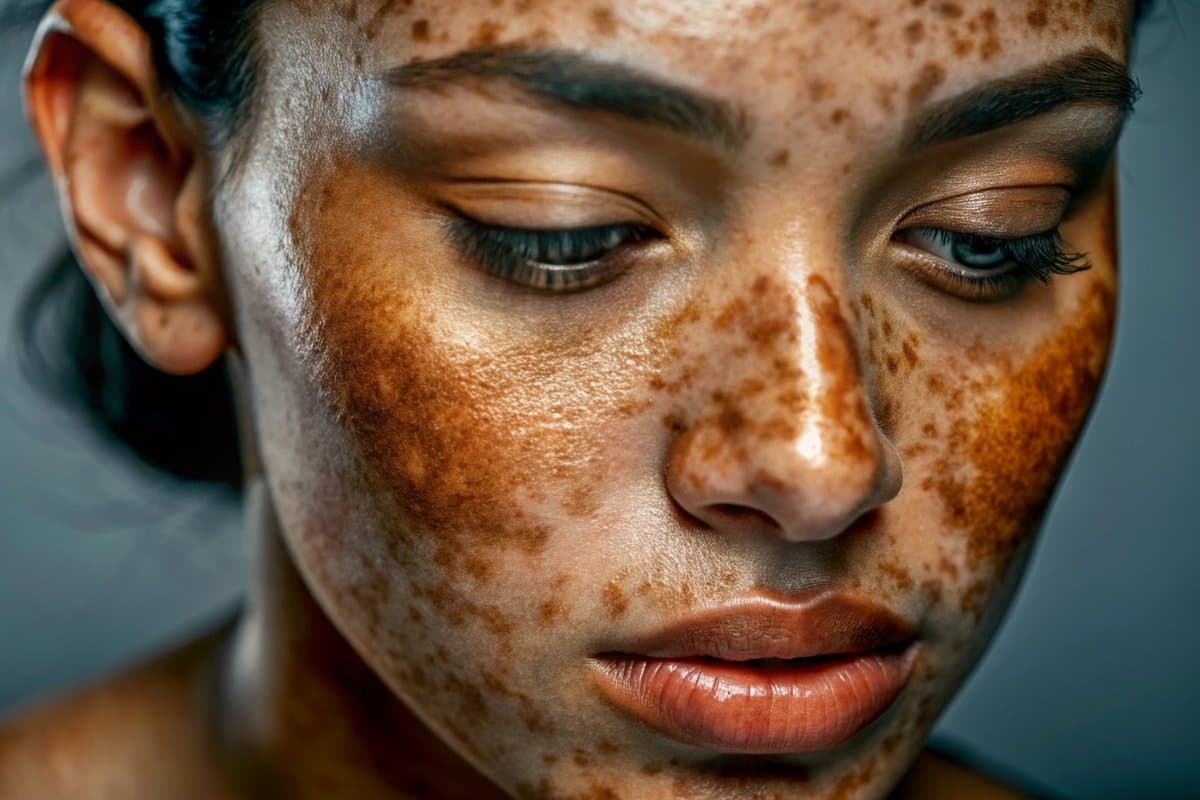
What Causes Dark Spots and Who Gets Them
Dark spots on the skin occur when melanocytes, the cells responsible for pigment production, produce excess melanin in a concentrated area. Sun exposure is the single most common trigger. Ultraviolet radiation stimulates melanin production as a protective response, but this process can become uneven, resulting in sun spots or solar lentigines that appear on chronically exposed areas like the face, hands, and forearms.
Post-inflammatory hyperpigmentation develops after skin injuries such as acne, burns, cuts, or eczema flares, and it disproportionately affects people with darker skin tones. Melasma produces larger, symmetrical patches of brown or gray-brown discoloration, most commonly on the cheeks, forehead, and upper lip, and is strongly linked to hormonal fluctuations during pregnancy or oral contraceptive use. While the vast majority of dark spots are harmless cosmetic concerns, any new dark spot that has irregular borders, multiple colors, or is growing should be evaluated to rule out melanoma.!!
Age spots, despite their name, are not caused by aging itself but by cumulative sun damage over decades, which is why they are more accurately called solar lentigines. Certain medications including tetracyclines, antimalarials, and some chemotherapy drugs can cause drug-induced hyperpigmentation. Genetics also play a role, with some individuals being more prone to uneven pigmentation than others regardless of sun exposure habits.
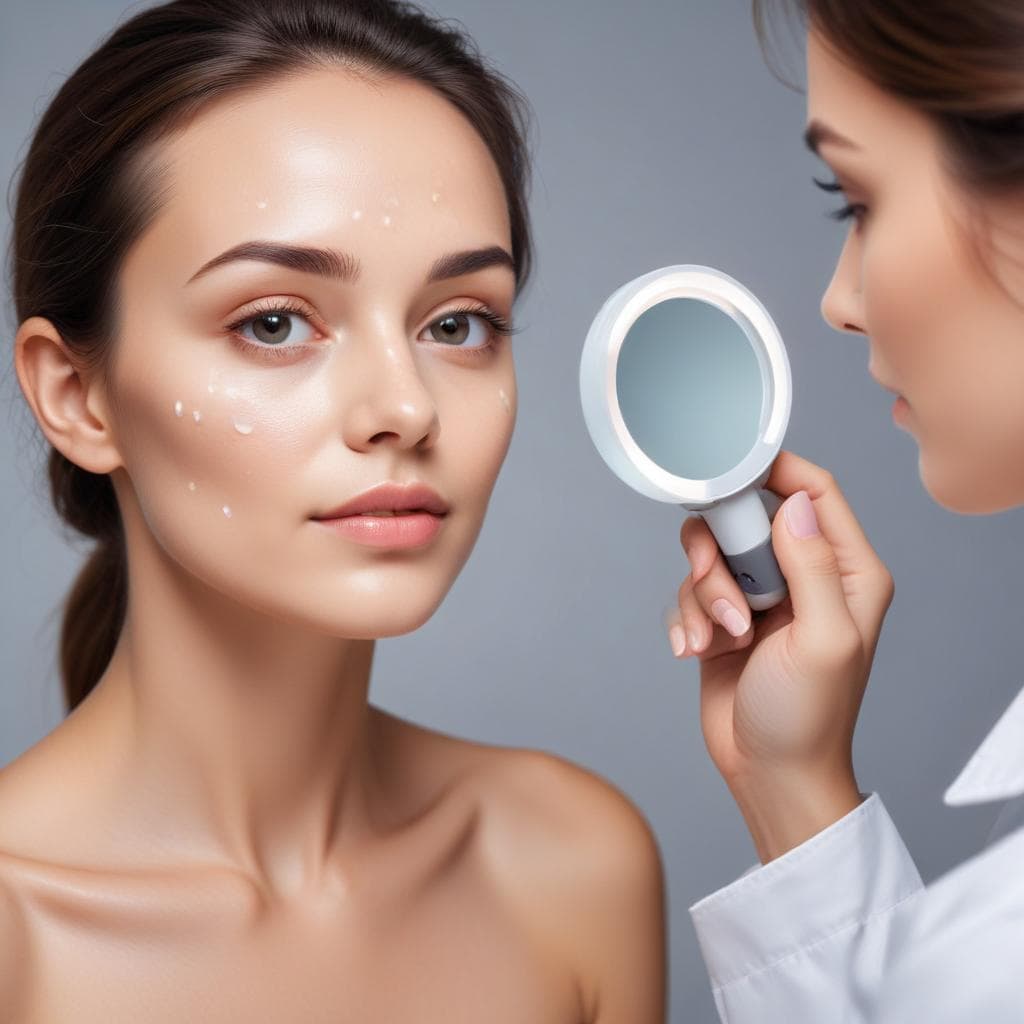
Proven Treatments for Fading Dark Spots
Fading dark spots requires patience, consistency, and sun protection. No treatment will succeed if you continue exposing the treated areas to UV radiation without sunscreen, because the sun will simply re-trigger melanin production. Broad-spectrum SPF 30 or higher applied daily is the non-negotiable foundation of any dark spot treatment plan.
Topical treatments form the first line of defense. Vitamin C serums at concentrations of 10 to 20 percent inhibit the enzyme tyrosinase, which is essential for melanin production, and provide antioxidant protection. Niacinamide at 5 percent concentration has been shown to reduce melanin transfer to skin cells and is well tolerated by most skin types.
Alpha arbutin is a gentle alternative to hydroquinone that blocks melanin production without the irritation risk. Retinoids accelerate cell turnover, bringing fresh unpigmented cells to the surface faster. Consistent daily use of sunscreen combined with a vitamin C serum can visibly reduce dark spots by 30 to 40 percent within eight to twelve weeks.!!
For stubborn hyperpigmentation, professional treatments offer stronger results. Chemical peels using glycolic or trichloroacetic acid remove pigmented surface cells in a controlled manner. Laser treatments such as intense pulsed light or fractional lasers can target melanin deposits in deeper skin layers.
Microneedling stimulates collagen remodeling and enhances the penetration of topical lightening agents. Always consult a dermatologist before pursuing professional treatments, particularly if you have a darker skin tone, as some procedures carry a risk of making hyperpigmentation worse if not performed correctly.
