
What Causes Warts and How Do You Catch Them?
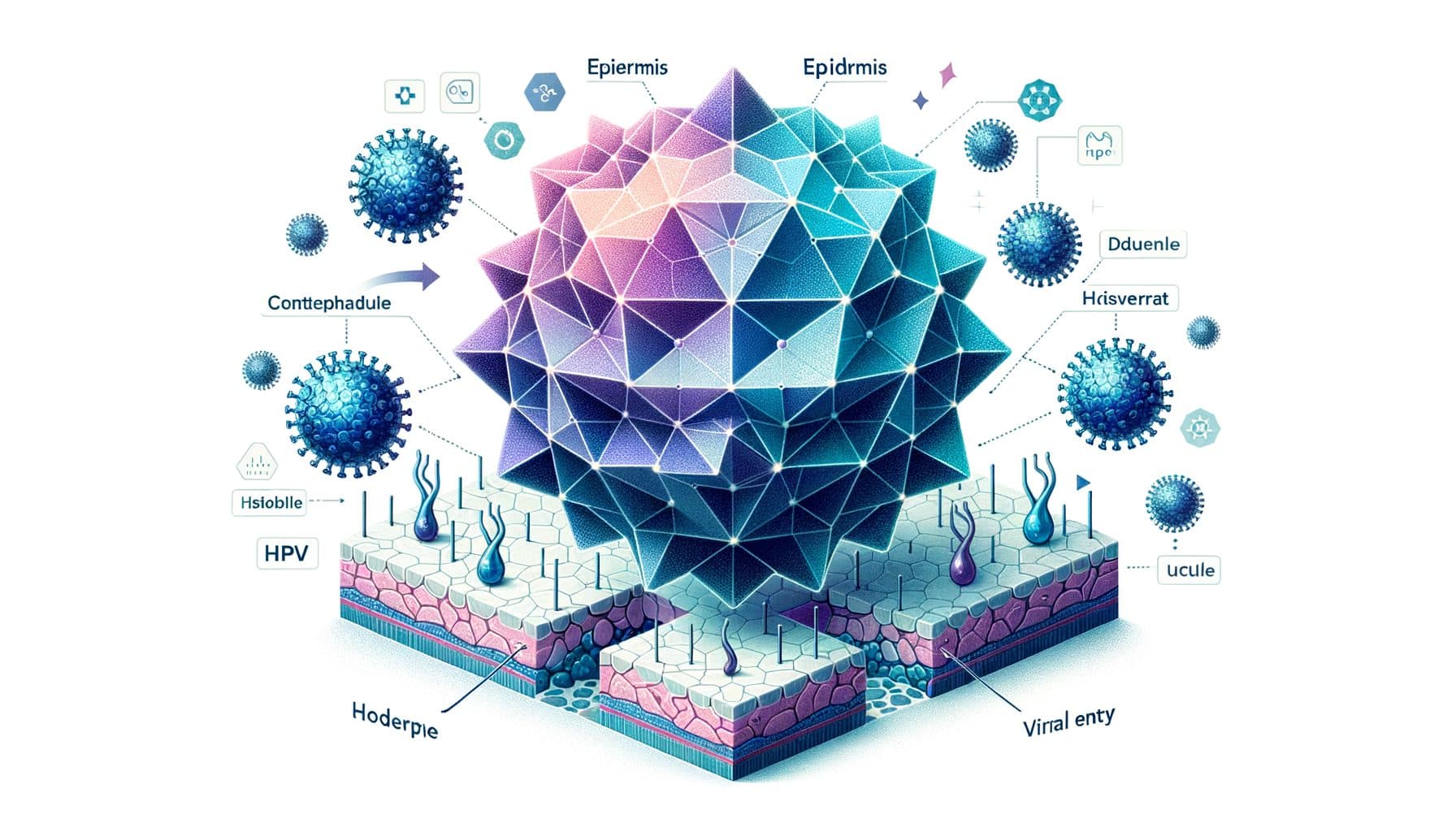
Common warts (verruca vulgaris) are benign skin growths caused by infection with human papillomavirus (HPV). There are over 200 identified HPV types, and different types have a preference for different body locations and produce distinct types of warts. Common warts on the hands are typically caused by HPV types 2, 4, 27, and 29.
Plantar warts on the feet are most often caused by HPV types 1, 2, 4, and 63. Flat warts favor HPV types 3, 10, 28, and 49. Importantly, the HPV types that cause common skin warts are not the same types that cause genital warts or cervical cancer — this is a widespread misconception that causes unnecessary anxiety.
HPV is transmitted through direct skin-to-skin contact or indirect contact via contaminated surfaces. The virus enters through tiny breaks in the skin — cuts, hangnails, cracked cuticles, or areas of skin damage from biting nails or picking at hangnails. Moist environments promote transmission, which is why communal showers, swimming pool decks, and locker rooms are common infection sites for plantar warts.
After infection, the incubation period ranges from 1 to 20 months, meaning you may have contracted the virus long before the wart becomes visible. The virus infects keratinocytes (skin cells) and hijacks their growth machinery, causing rapid proliferation that produces the characteristic rough, raised growth. Children and young adults are most commonly affected, with prevalence peaking in school-age children, likely due to immature immune systems and frequent skin-to-skin contact. Immunocompromised individuals are particularly susceptible and often develop multiple, treatment-resistant warts.
Types of Warts and How to Identify Them
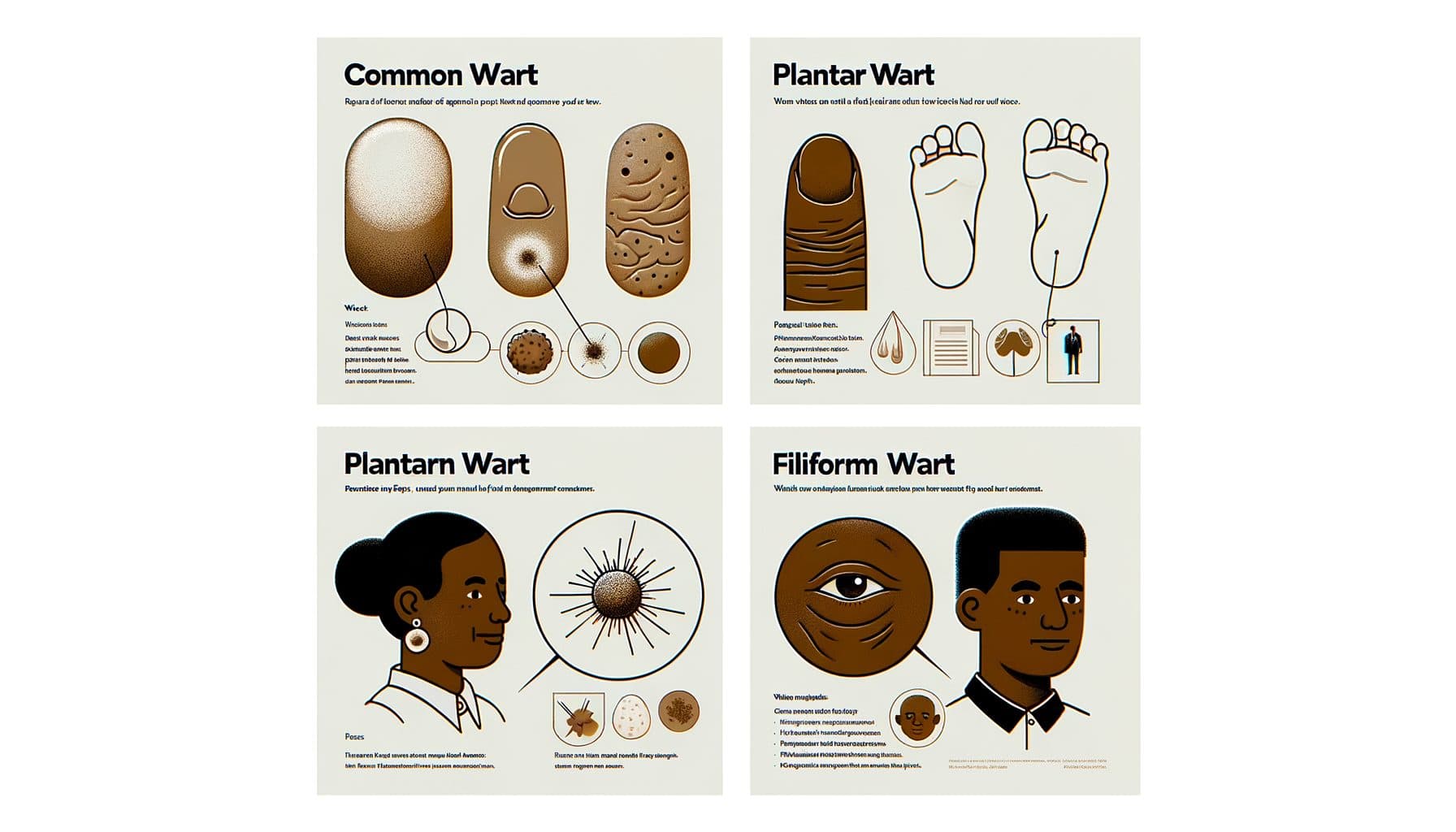
Common warts (verruca vulgaris) appear as raised, rough-surfaced growths, typically on the hands, fingers, and around the nails. They range from 1mm to over 1cm and have a characteristic cauliflower-like texture. Close examination often reveals tiny black dots within the wart — these are thrombosed capillaries (small blood vessels), not 'seeds' as folk wisdom suggests.
Common warts are firm to the touch and skin-colored to grayish-brown. Periungual warts develop around and under the fingernails and toenails, creating particular treatment challenges and potentially causing nail deformity if they grow into the nail matrix. They are common in nail biters and cuticle pickers.
Plantar warts develop on the soles of the feet, where pressure from walking pushes them inward, creating flat or slightly depressed lesions surrounded by a ring of thickened skin (callus). Plantar warts can be exquisitely painful, making walking uncomfortable, particularly when they develop on pressure points like the heel or ball of the foot. Mosaic warts are clusters of closely grouped plantar warts that are especially resistant to treatment.
Flat warts (verruca plana) are small (1-5mm), smooth, flat-topped, and slightly raised. They often appear in large numbers — dozens to hundreds — on the face, forehead, arms, or legs. While individually small, their tendency to appear in clusters makes them cosmetically distressing.
In men, they commonly appear in the beard area, where shaving spreads the virus. Filiform warts are narrow, finger-like projections that typically appear on the face, around the mouth, nose, and eyes. They are distinctive in appearance but can be mistaken for skin tags. Distinguishing warts from other skin growths (seborrheic keratoses, squamous cell carcinoma, molluscum contagiosum) is important because treatment approaches differ significantly.
Home Treatment: What Works, What Doesn't, What's Dangerous
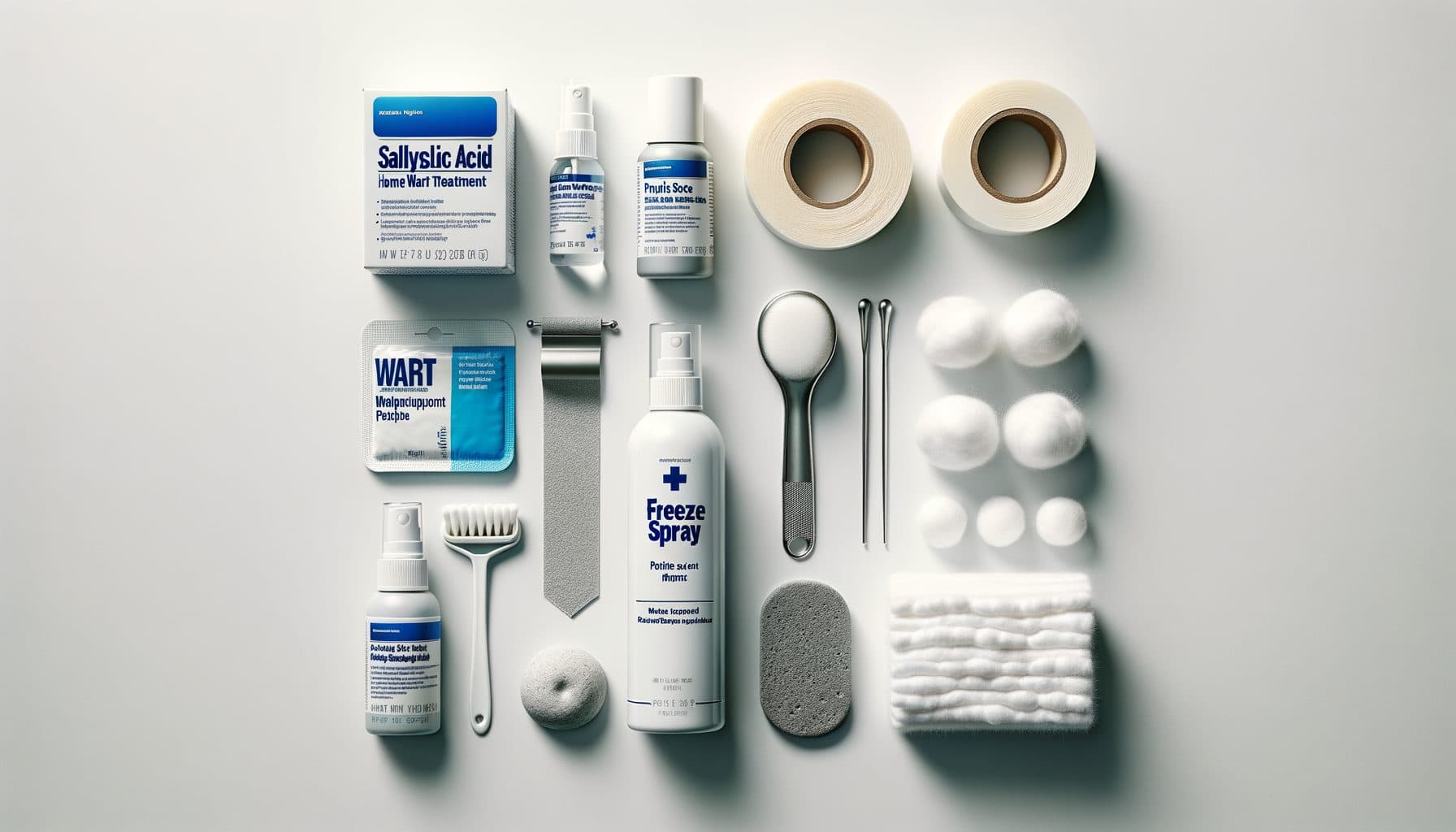
Over-the-counter wart treatments center on salicylic acid, available as liquids, gels, pads, and plasters in concentrations from 17% to 40%. Salicylic acid works by gradually dissolving the keratin protein that makes up the wart and the thick dead skin covering it, also triggering a mild immune response. For best results, soak the wart in warm water for 5-10 minutes, then file down thickened dead skin with a disposable emery board or pumice stone (never share these tools), apply salicylic acid precisely to the wart surface, and cover with a bandage.
Repeat daily for 8-12 weeks. Patience is essential — wart treatment is a marathon, not a sprint, and most people abandon treatment too early.!! Success rates for salicylic acid are approximately 50-70% with consistent, prolonged use.
Over-the-counter cryotherapy kits (freeze-away products) use dimethyl ether and propane mixtures to freeze warts. While marketed as equivalent to professional cryotherapy, they reach temperatures of only about -57 degrees Celsius compared to liquid nitrogen's -196 degrees, making them less effective. They can be useful as a supplement to salicylic acid but rarely succeed as standalone treatment for established warts.
Duct tape occlusion therapy has been studied with mixed results — the theory is that occluding the wart irritates the skin and stimulates an immune response. If tried, apply duct tape over the wart for six days, remove it, soak and file the wart, then leave it open overnight before reapplying for another six days. Evidence for efficacy is inconsistent, but it is safe.
Dangerous home remedies to avoid: cutting or digging out warts with sharp instruments risks infection, scarring, and incomplete removal that spreads the virus; burning warts with matches or cigarettes causes burns and scarring; applying undiluted essential oils or bleach can cause chemical burns. Never attempt to treat warts on the face, genitals, or large areas without professional guidance.
Professional Treatment Options
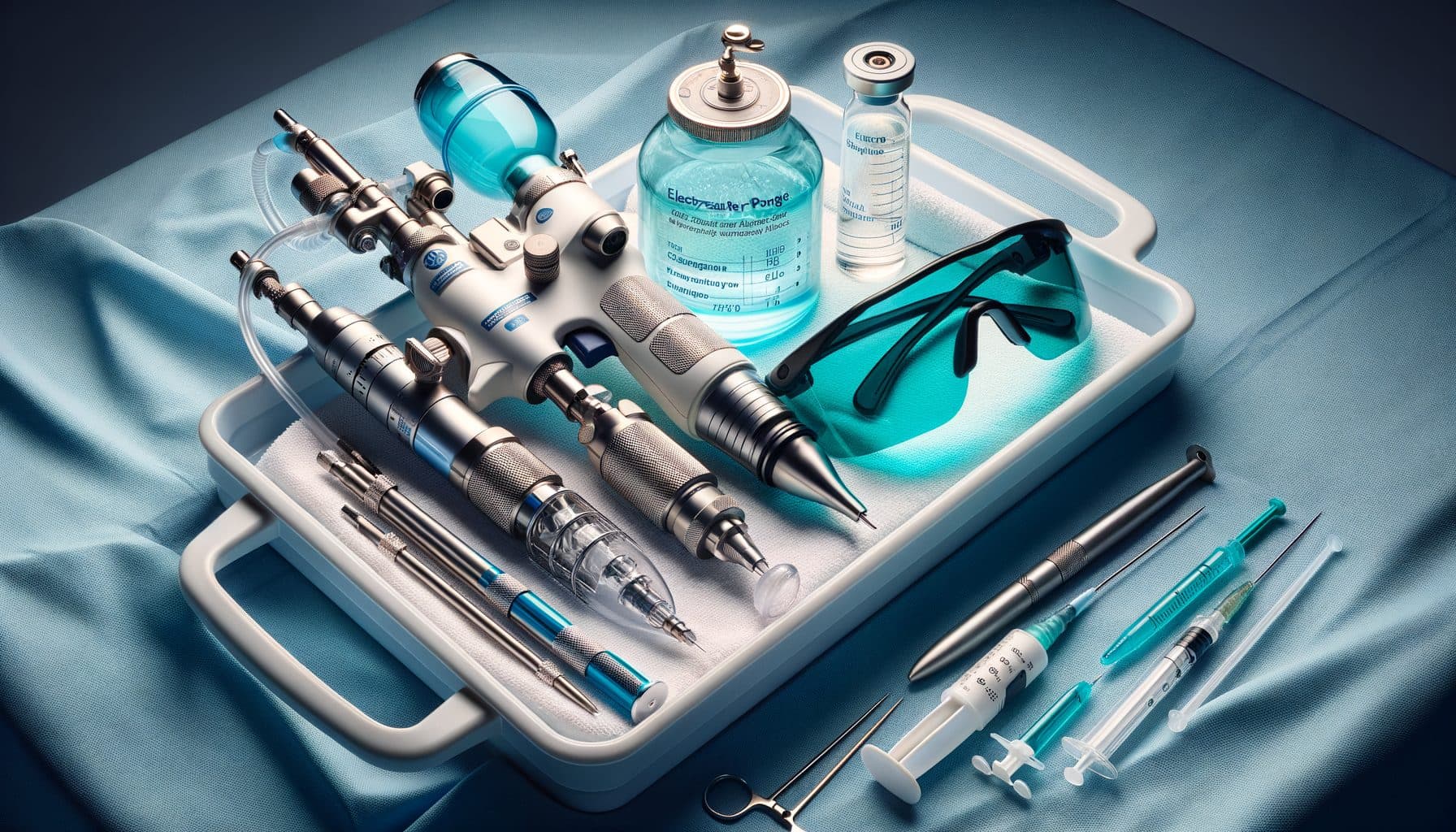
When home treatment fails — and it often does, particularly for plantar warts, periungual warts, and multiple warts — professional treatment offers more powerful options. Cryotherapy with liquid nitrogen is the most common dermatologic wart treatment. Liquid nitrogen at -196 degrees Celsius is applied directly to the wart via spray or cotton-tipped applicator, causing cell death through ice crystal formation and vascular disruption.
A blister typically forms within 24 hours. Treatment is painful (the freeze cycle itself and the subsequent blister), and multiple sessions every 2-3 weeks are usually needed for clearance, with typical cure rates of 50-75% after multiple sessions. Cantharidin is a blistering agent derived from the blister beetle, applied in the office and washed off at home hours later.
It causes a painless blister that lifts the wart. It's particularly useful for children because the application is painless — the blistering occurs later. Electrodesiccation and curettage involves numbing the area with local anesthesia, then scraping the wart with a curette and cauterizing the base.
This is effective for individual warts but causes a wound requiring healing over 2-4 weeks and may leave a scar. Intralesional immunotherapy involves injecting antigens (Candida antigen is commonly used) directly into the wart, triggering an immune response that attacks the virus. The beauty of this approach is that it often clears distant, untreated warts simultaneously as the systemic immune response targets HPV-infected cells throughout the body.
It's particularly valuable for patients with multiple warts. Bleomycin injection (intralesional chemotherapy) is reserved for stubborn, treatment-resistant warts and destroys wart tissue through direct cytotoxic effect. It's painful and carries risks of nail damage when used for periungual warts.
Pulsed dye laser targets the blood vessels feeding the wart, causing selective destruction. For refractory warts, topical immunotherapy with squaric acid dibutylester (SADBE) or diphencyprone (DPCP) induces a contact allergic reaction that recruits the immune system to attack the wart.
Why Warts Come Back and How to Prevent Recurrence
The recurrence rate for warts after treatment is frustratingly high — estimates range from 20% to 70% depending on the treatment method and patient population. Understanding why reveals the path to prevention. Warts recur because treatment destroys the visible wart but doesn't necessarily eliminate all HPV-infected cells, particularly those at the wart periphery or in adjacent skin.
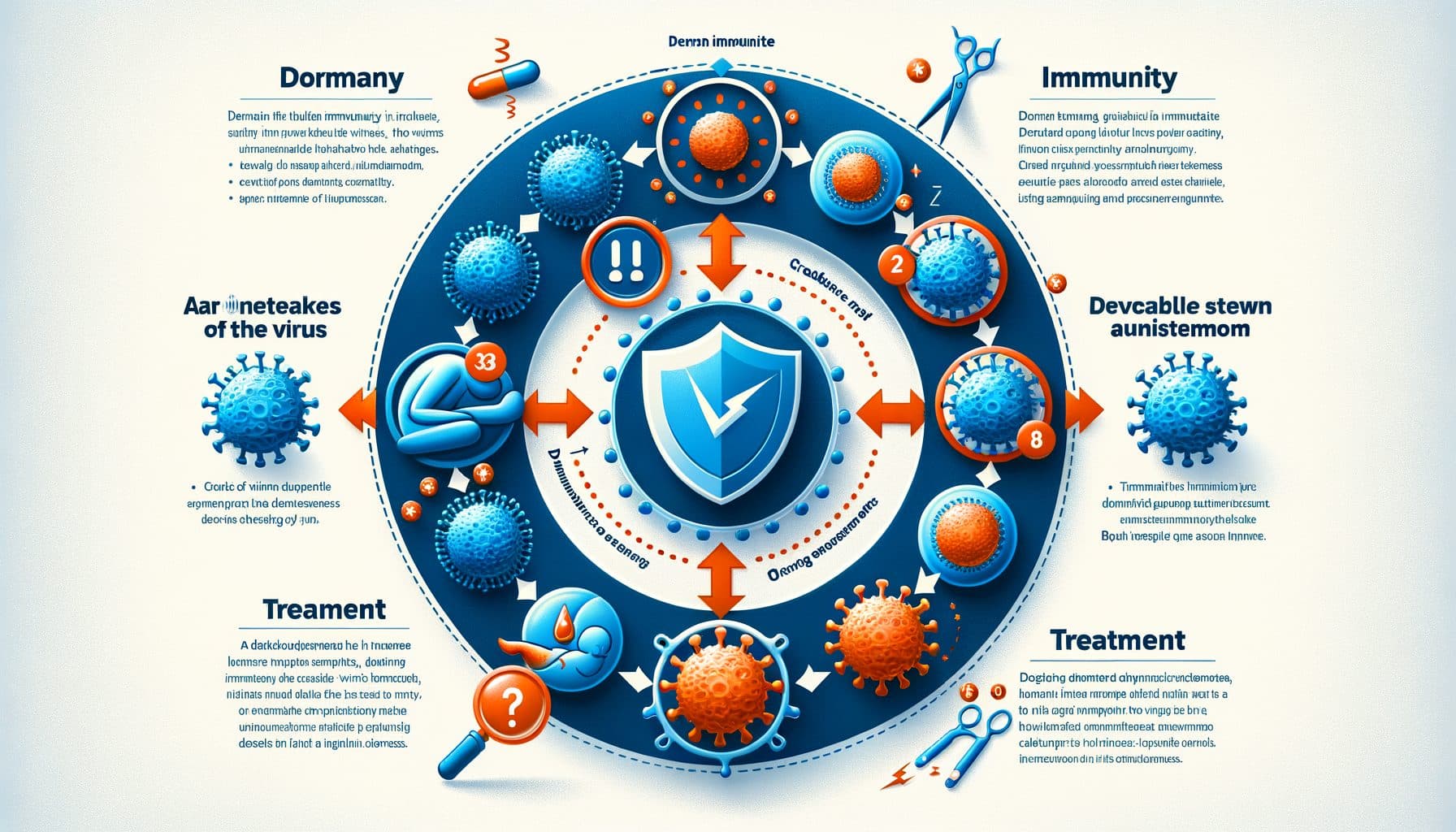
The virus can persist in a latent state in surrounding epithelial cells, reactivating when conditions favor it. Immunocompromised individuals are especially prone to recurrence because their immune systems cannot mount the definitive response needed to clear the virus. Most wart clearance in healthy people ultimately depends on the immune system recognizing and attacking HPV-infected cells — treatments work by reducing viral load and triggering immune attention, but final clearance requires an effective immune response.!!
This is why approximately 65% of warts in immunocompetent individuals will resolve spontaneously within two years without treatment — the immune system eventually mounts an effective response. Prevention of spread and recurrence involves several strategies: avoid touching or picking at warts, as this spreads the virus to new sites (autoinoculation); keep warts covered with bandages during treatment to prevent shedding virus to others and to new body sites; don't share personal items like towels, razors, nail clippers, or files; wear flip-flops or water shoes in communal showers, pool areas, and locker rooms; keep skin healthy and moisturized because intact skin is less susceptible to HPV penetration; avoid biting nails and picking at hangnails as these create entry points for the virus on hands; treat warts promptly rather than waiting, as smaller warts respond better to treatment and shed less virus. For children in particular, addressing warts early prevents the social stigma and psychological impact that can develop as warts become more visible.
When to See a Doctor About Your Warts
While most warts are harmless and self-limiting, several situations warrant professional evaluation. See a doctor if you're unsure whether a growth is actually a wart — particularly in adults over 50, where new rough growths may represent actinic keratoses or squamous cell carcinoma rather than warts. Any lesion that bleeds easily, grows rapidly, changes color, or develops irregular borders needs professional assessment to rule out malignancy.
Warts on the face should be treated professionally because aggressive home treatment risks scarring in cosmetically sensitive areas. Genital or perianal warts require professional evaluation and treatment, as they may be caused by high-risk HPV types and have different treatment requirements. Plantar warts causing significant pain or interfering with walking deserve professional treatment.
If home treatment has failed after 12 weeks of consistent application, professional intervention offers more effective options. Diabetic patients and those with peripheral neuropathy or peripheral vascular disease should never attempt home wart treatment on the feet — impaired sensation and circulation increase risks of complications. Immunosuppressed patients (organ transplant recipients, HIV-positive individuals, those on immunosuppressive medications) should seek professional care for all warts, as these patients develop more extensive, aggressive, and treatment-resistant warts with a higher risk of malignant transformation.
Multiple rapidly spreading warts suggest immune compromise and warrant medical evaluation. Children with warts around the nails that affect nail growth should see a dermatologist, as periungual warts can cause permanent nail deformity if not properly managed.
How AI Skin Analysis Can Help with Wart Assessment
Distinguishing warts from other skin growths is not always straightforward — seborrheic keratoses, molluscum contagiosum, calluses, and even certain skin cancers can resemble warts to the untrained eye. Skinscanner provides an accessible first-line assessment, helping you understand whether a rough growth is likely a wart or something that needs different attention. Our AI has been trained to recognize the characteristic features of different wart types — the rough cauliflower texture, thrombosed capillaries appearing as black dots, and the keratotic surface pattern that distinguishes warts from other growths.
For those undergoing wart treatment, documenting your warts with regular photographs provides objective evidence of treatment response. It can be difficult to judge whether a plantar wart is shrinking when you look at it daily, but side-by-side photographs taken weeks apart make progress (or lack thereof) clearly visible. This documentation helps you decide when to persist with current treatment versus when to escalate to professional care.
Skinscanner also helps monitor for new warts appearing at other sites, particularly during active treatment when autoinoculation risk is elevated. While warts are generally benign and not medically urgent, getting them assessed helps ensure you're treating the right condition with the right approach — and saves you weeks of ineffective self-treatment if the growth turns out to be something other than a wart.