
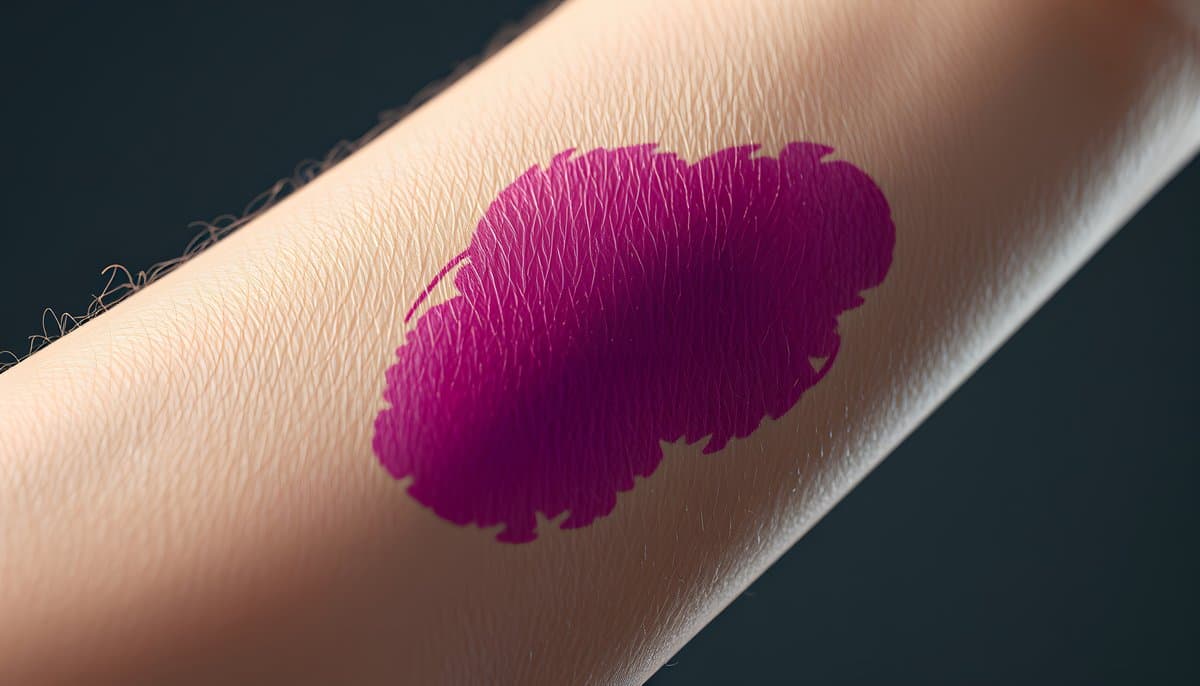
How Bruises Normally Heal and When They Don't
Bruises, or contusions, form when small blood vessels under the skin break after an impact, leaking blood into surrounding tissue. A normal bruise follows a predictable healing timeline. It starts as a red or purplish mark within 24 hours, shifts to blue or dark purple over days one through four, turns green as hemoglobin breaks down around days five through seven, fades to yellow or brown by days seven through fourteen, and fully resolves within two to four weeks.
When a bruise lingers beyond this timeline, several factors may be responsible. Location matters: bruises on the lower legs often take longer to heal because gravity pulls blood downward and circulation is less robust. Age plays a role, as skin thins and blood vessels become more fragile with time, making bruises more common and slower to resolve in older adults.
A bruise that has not faded after three to four weeks, a bruise that is growing rather than shrinking, or bruises that appear frequently without identifiable trauma should prompt a medical evaluation, as these patterns can indicate blood clotting disorders, medication side effects, or rarely, underlying blood cancers.!! Medications are a major factor. Blood thinners like warfarin and aspirin, anti-inflammatory drugs, and even some supplements like fish oil and ginkgo biloba increase bruising tendency and slow healing. Vitamin C deficiency weakens blood vessel walls, and vitamin K deficiency impairs the clotting process, both contributing to persistent bruising.

When Bruises Signal Something Serious
While most persistent bruises have benign explanations, certain patterns warrant attention. Bruises that appear spontaneously without any remembered injury, especially in multiple locations, can indicate a clotting disorder such as thrombocytopenia, where platelet counts drop too low for effective clotting. Von Willebrand disease, the most common inherited bleeding disorder, affects up to 1 percent of the population and often goes undiagnosed until unusual bruising triggers testing.
Bruises accompanied by frequent nosebleeds, bleeding gums, or heavy menstrual periods strengthen the case for a bleeding evaluation. Petechiae, tiny pinpoint red or purple dots that do not blanch when pressed, can appear alongside easy bruising and suggest a platelet problem that needs urgent evaluation. If you develop a large, painful bruise that is warm to the touch and expanding rapidly, seek immediate medical attention, as this can indicate a hematoma that may require drainage or could signal a more serious vascular injury.!!
Rarely, unexplained bruising can be an early sign of leukemia or other blood cancers, particularly when accompanied by fatigue, frequent infections, or unexplained weight loss. For persistent bruises without other concerning symptoms, simple blood work including a complete blood count and coagulation studies can quickly rule out serious causes and provide reassurance. Documenting your bruises with photos over time helps both you and your doctor track patterns and determine whether they fall within normal variation or suggest an issue worth investigating further.