The Key Differences in Appearance and Pattern
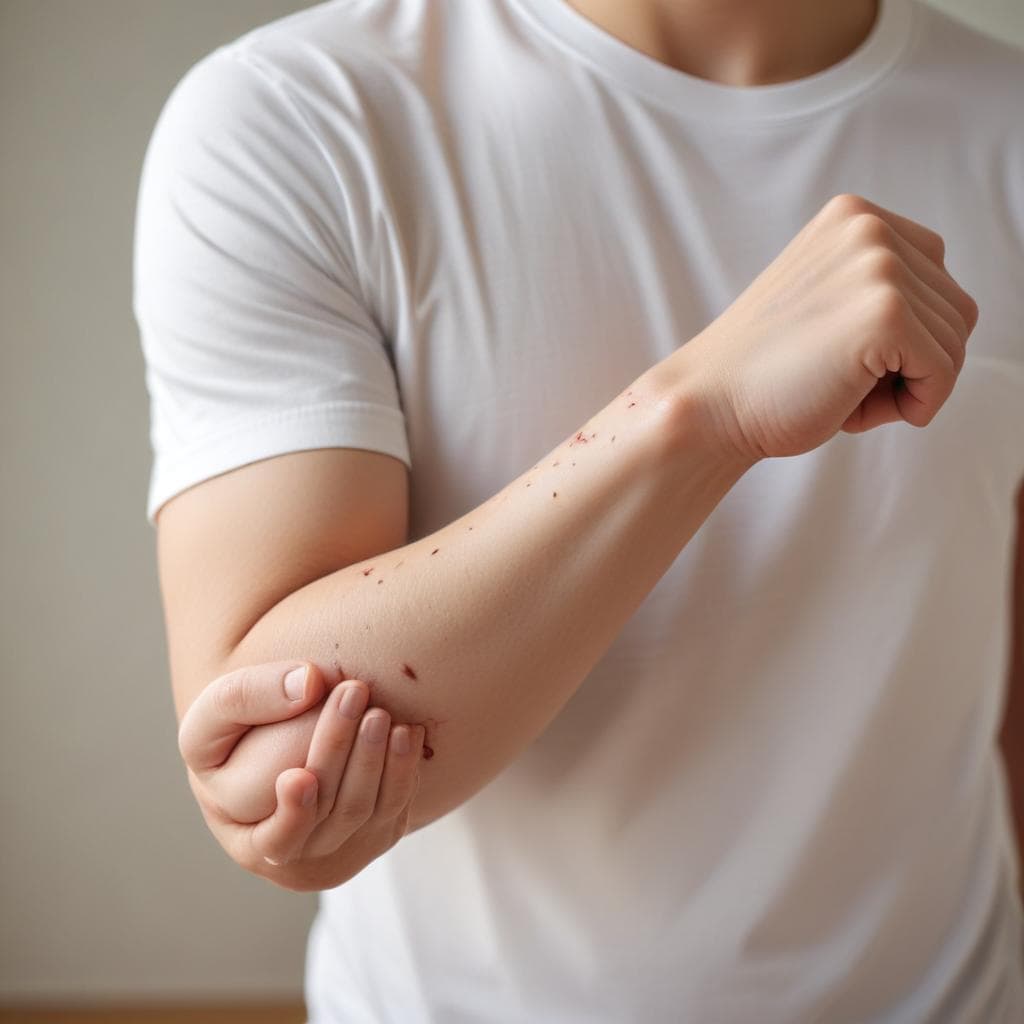
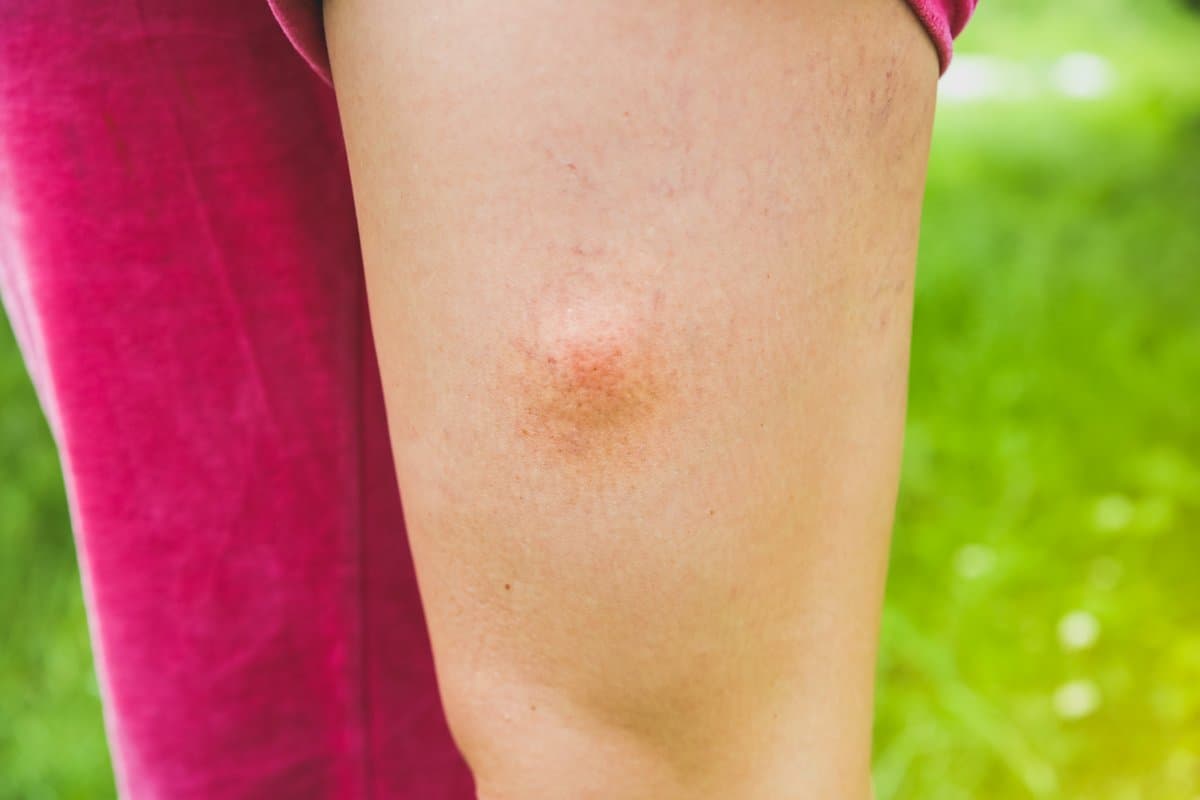
Waking up with itchy red bumps is unsettling, and knowing whether you are dealing with bed bugs or mosquitoes changes everything about your response. Mosquito bites typically appear as isolated, randomly placed, puffy white or pink bumps that develop within minutes of being bitten and become red and itchy within hours. They occur on exposed skin areas that were uncovered while you were outdoors and usually resolve within a few days.
Bed bug bites, by contrast, follow distinctly different patterns. They often appear in clusters or in straight lines of three to four bites, a pattern sometimes called breakfast, lunch, and dinner, because the bug feeds, moves a short distance, and feeds again. Bed bug bites tend to be flat or slightly raised red welts, smaller and more uniform than mosquito bites, and they frequently appear on skin that was exposed during sleep, including the arms, shoulders, neck, and face.
The single most reliable distinguishing feature is the bite pattern: bed bug bites typically cluster in lines or groups on skin that was accessible while sleeping, whereas mosquito bites are randomly scattered on skin exposed outdoors.!! Timing is another important clue. Mosquito bites produce an immediate reaction because mosquito saliva triggers an instant histamine response.
Bed bug bites may not become visible or itchy for one to three days after the bite, making it harder to connect the bites to a specific location or time. Some people have no visible reaction to bed bug bites at all, while others develop large, intensely itchy welts. This variability in individual reactions is one reason bed bug infestations can go undetected for weeks.

How to Confirm Which Pest You Are Dealing With
Beyond the bites themselves, environmental clues can confirm your suspicion. For bed bugs, inspect your mattress seams, headboard crevices, and bedside furniture for tiny dark spots, which are bed bug droppings, or small rusty-red smears from crushed bugs. Live bed bugs are flat, oval, reddish-brown insects about the size of an apple seed that hide during the day and emerge at night to feed.
You may also spot tiny translucent egg casings or shed skins near hiding spots. For mosquitoes, the evidence is more straightforward: if bites occurred after spending time outdoors during dawn or dusk, near standing water, or in a room with windows open, mosquitoes are the likely culprit. If you find bites only in the morning after sleeping in a particular bed, and the pattern worsens over successive nights, bed bugs should be your primary suspect regardless of what the individual bites look like.!!
Treatment for both types of bites focuses on relieving itch and preventing infection from scratching. Clean bites with soap and water, apply a cold compress to reduce swelling, and use over-the-counter hydrocortisone cream or oral antihistamines for itching. Neither bed bug nor mosquito bites transmit diseases in most regions, though mosquitoes can carry diseases in tropical areas. The critical difference in your response is what happens next: mosquito bites require only personal protection measures like repellent and screens, while confirmed bed bug bites demand professional pest control treatment of your living space to eliminate the infestation before it worsens.