

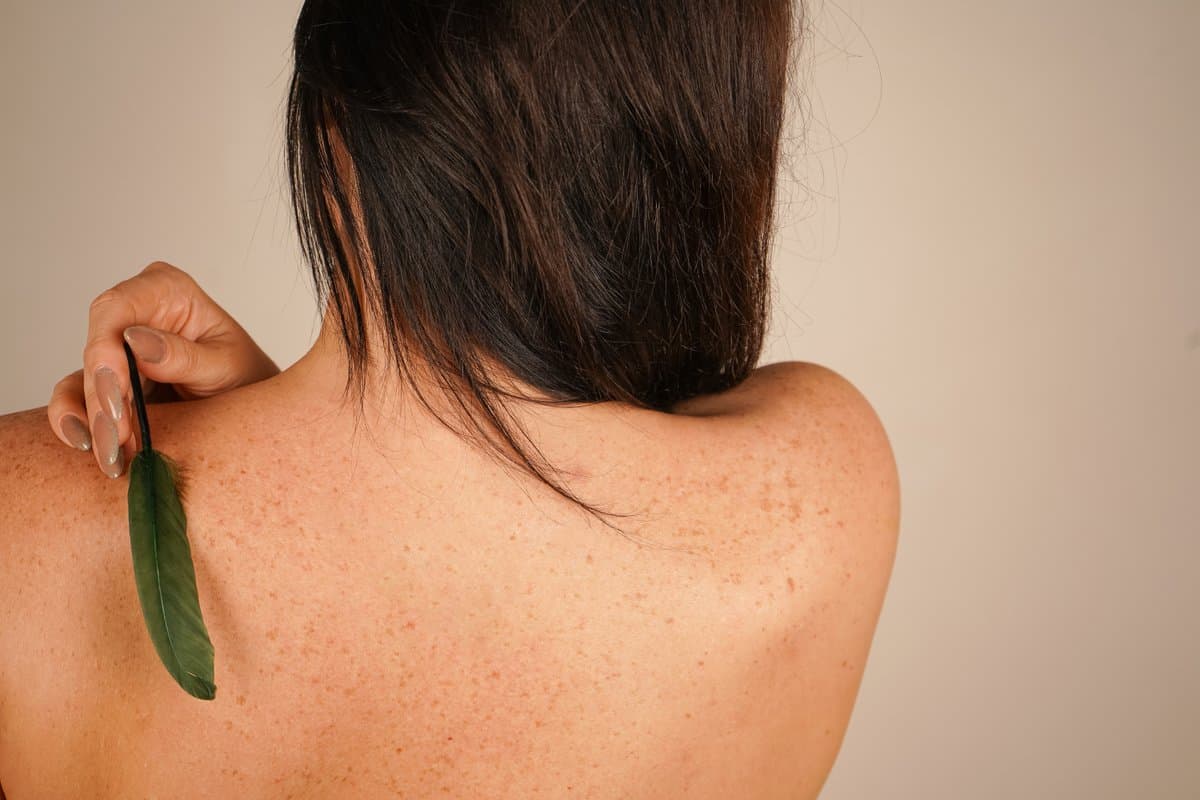
Why Your Back Is Prone to Breakouts
Back acne, colloquially known as bacne, affects an estimated 60 percent of acne sufferers, yet it receives far less attention than facial acne. The skin on your back has some of the highest concentrations of sebaceous glands on the entire body, producing significantly more oil than most other areas. These larger, more active glands combined with larger pores create an ideal environment for clogged follicles.
The back is also constantly covered by clothing, trapping sweat, oil, and dead skin cells against the surface for hours at a time. Friction from backpack straps, tight athletic wear, and chair backs contributes to a specific form of acne called acne mechanica, where physical irritation pushes debris deeper into pores. Sweat that sits on the skin after exercise is one of the most common and preventable triggers for back acne because it creates a warm, moist environment where bacteria thrive and pores become occluded.!!
Hormonal fluctuations drive back acne just as they do facial acne: androgens increase sebum production, which is why back breakouts often coincide with puberty, menstrual cycles, or hormonal disorders like polycystic ovary syndrome. Unlike the face, back acne tends to include more deep, painful cystic lesions that are harder to treat and more likely to scar. Hair conditioner and body wash residue that runs down the back during showers can clog pores, a factor most people overlook.
Certain medications, including corticosteroids and testosterone supplements, can trigger or worsen back acne. Understanding these multiple contributing factors is key, because effective treatment usually requires addressing several of them simultaneously rather than relying on a single product.

The Most Effective Strategies to Clear Back Acne
Clearing back acne requires a combination of topical treatment, hygiene adjustments, and lifestyle changes. Start with a body wash or cleanser containing benzoyl peroxide at 5 to 10 percent concentration, which kills acne-causing bacteria and reduces inflammation. Apply it to the back in the shower and let it sit for two to three minutes before rinsing.
Alternatively, a salicylic acid body wash at 2 percent concentration helps exfoliate inside the pores and is better tolerated by those with sensitive skin. Always wash your back after conditioning your hair to remove any product residue that might clog pores. Change out of sweaty clothes immediately after exercise, and shower as soon as possible.
Choose loose, breathable, moisture-wicking fabrics for workouts instead of tight synthetic materials. For moderate to severe back acne that does not respond to over-the-counter treatments within eight to twelve weeks, a dermatologist can prescribe topical retinoids, topical antibiotics, or oral medications that target the condition from the inside.!! A benzoyl peroxide leave-on treatment or spray designed for the body can be applied to clean, dry skin before bed to provide overnight antibacterial action.
Be aware that benzoyl peroxide bleaches fabric, so wear an old shirt to bed. Gentle exfoliation with a salicylic acid body pad or a soft long-handled brush can help remove dead skin cells without causing the irritation that harsh scrubbing produces. Avoid picking or squeezing back lesions, as the skin on the back scars easily and cystic acne driven deeper by squeezing takes much longer to heal. Consistent treatment for at least two to three months is necessary before judging whether a routine is working, because acne treatments target the formation of new lesions rather than clearing existing ones overnight.
