Causes
Most skin papillomas are caused by human papillomavirus (HPV), usually low-risk types. Not everyone with HPV gets papillomas, so factors like weak immunity, chronic skin irritation, excess weight, and metabolic diseases also play a role.

Cutaneous papilloma
Frequency
Common
Age Group
Adults & Elderly
Progression
Self-Limiting
Contagious
Indirect Contact
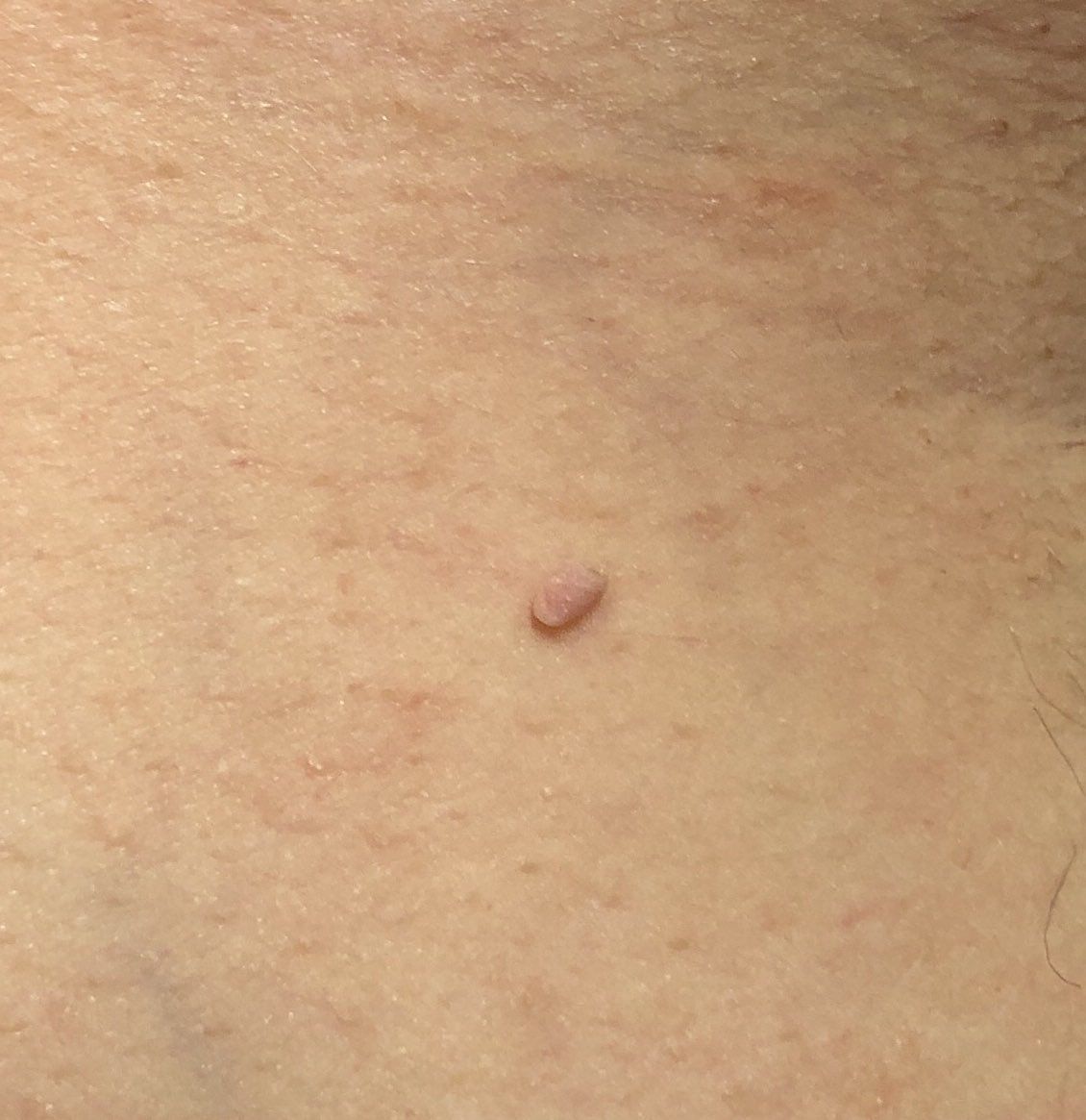
A skin papilloma is a benign growth that sticks out above the skin, often on a thin stalk. It usually looks like normal or slightly darker skin and is most often harmless but can be annoying or cosmetically disturbing.
This is general information. With a scan you'll receive a detailed, personalized analysis — including individual risk assessment, progression tracking and recommended actions.
Most skin papillomas are caused by human papillomavirus (HPV), usually low-risk types. Not everyone with HPV gets papillomas, so factors like weak immunity, chronic skin irritation, excess weight, and metabolic diseases also play a role.
Skin papillomas themselves are considered safe and rarely become malignant. The main risks are chronic irritation, bleeding, infection of traumatized lesions, and the possibility of confusing a more dangerous tumor with a harmless papilloma.
Papillomas are usually removed with gentle methods such as laser, liquid nitrogen, radio wave surgery, or electrocoagulation. Self-cutting or tying them off at home is not recommended because of bleeding, infection, and the risk of missing a more serious diagnosis.
The information provided here is for educational purposes only and does not replace professional medical advice. Always consult a dermatologist or physician if you have any concerns.
Genital herpes is a sexually transmitted infection caused by herpes simplex virus types 1 or 2. It usually shows up as painful blisters and sores on or around the genitals, anus, or nearby skin. The virus stays in the body for life and can flare up again from time to time. Treatment can’t remove the virus, but it can shorten outbreaks, ease symptoms, and reduce the risk of passing it on.
Herpes simplex is a common viral infection that causes recurring clusters of small, painful blisters on the skin or mucous membranes, most often around the mouth or genitals. The virus stays in the body for life and can reactivate from time to time, especially during stress, illness, or other triggers.
You can reduce the risk of papillomas by protecting your skin from chronic friction and UV, treating infections in time, keeping a healthy weight, and supporting your immune system. Good personal hygiene and regular skin self-checks also help.
See a dermatologist if a papilloma changes, gets injured often, bleeds, or simply bothers you cosmetically. Multiple new papillomas or any lesion that looks different from your usual spots should also be checked.
Most papillomas are not urgent and can be evaluated at a planned dermatology visit. Seek earlier medical review if a lesion changes rapidly, bleeds repeatedly, or looks clearly different from your usual skin growths.
Chickenpox is a highly contagious infection caused by the varicella zoster virus, usually affecting children. It starts with fever and tiredness, followed by an itchy red rash that turns into fluid-filled blisters and then crusts. In healthy kids it usually clears on its own in about 7–10 days, but it can be dangerous for infants, pregnant women, adults, and people with weak immune systems. After chickenpox, the virus stays in the body and can later cause shingles.