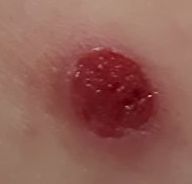
The exact cause of pyogenic granuloma is not fully clear, but it seems to be an exaggerated healing response of blood vessels, often after minor injury, irritation, or burns. Hormonal changes, some medicines, and pregnancy can also trigger or promote these growths.
Pyogenic granuloma itself is benign and does not turn into cancer, but it can bleed heavily or get infected if irritated. The main medical risk is confusing it with a skin cancer that can look similar, which is why a proper diagnosis is important.
Pyogenic granulomas are usually treated by removing them, most often with surgical excision, laser, cautery, or freezing, followed by histology to confirm the diagnosis. Because they are very vascular, careful control of bleeding during and after the procedure is important.
You can reduce the chance of pyogenic granuloma by protecting your skin from repeated minor injuries, burns, and chronic irritation, and by treating skin infections promptly. Regular self‑checks and early doctor visits for new bleeding bumps also help catch look‑alike cancers early.
You should see a dermatologist (or sometimes a dermato‑oncologist) for any new, fast‑growing red bump that bleeds easily to confirm it is a pyogenic granuloma and not a skin cancer. After diagnosis, they can remove it safely and send it for histology if needed.
A pyogenic granuloma is not an emergency, but you should book a routine dermatology visit within a few weeks for any new, fast‑growing red bump that bleeds easily. Seek urgent care the same day if bleeding will not stop with firm pressure or if there are signs of spreading infection.