
What Are Hives and What Causes Them?
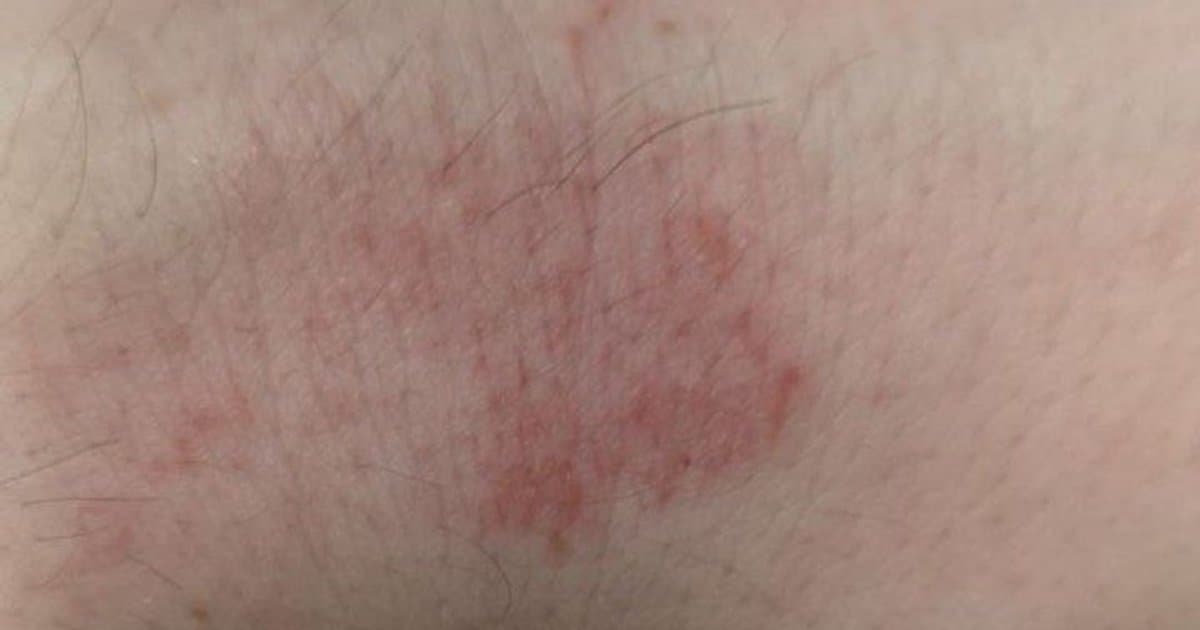
Urticaria, commonly known as hives, presents as raised, itchy welts (wheals) on the skin that appear suddenly, persist for minutes to hours, then vanish without a trace — only to reappear elsewhere. Individual wheals are typically round or oval, pink to red, ranging from a few millimeters to several centimeters across, and surrounded by a red flare. They blanch (turn white) when pressed.
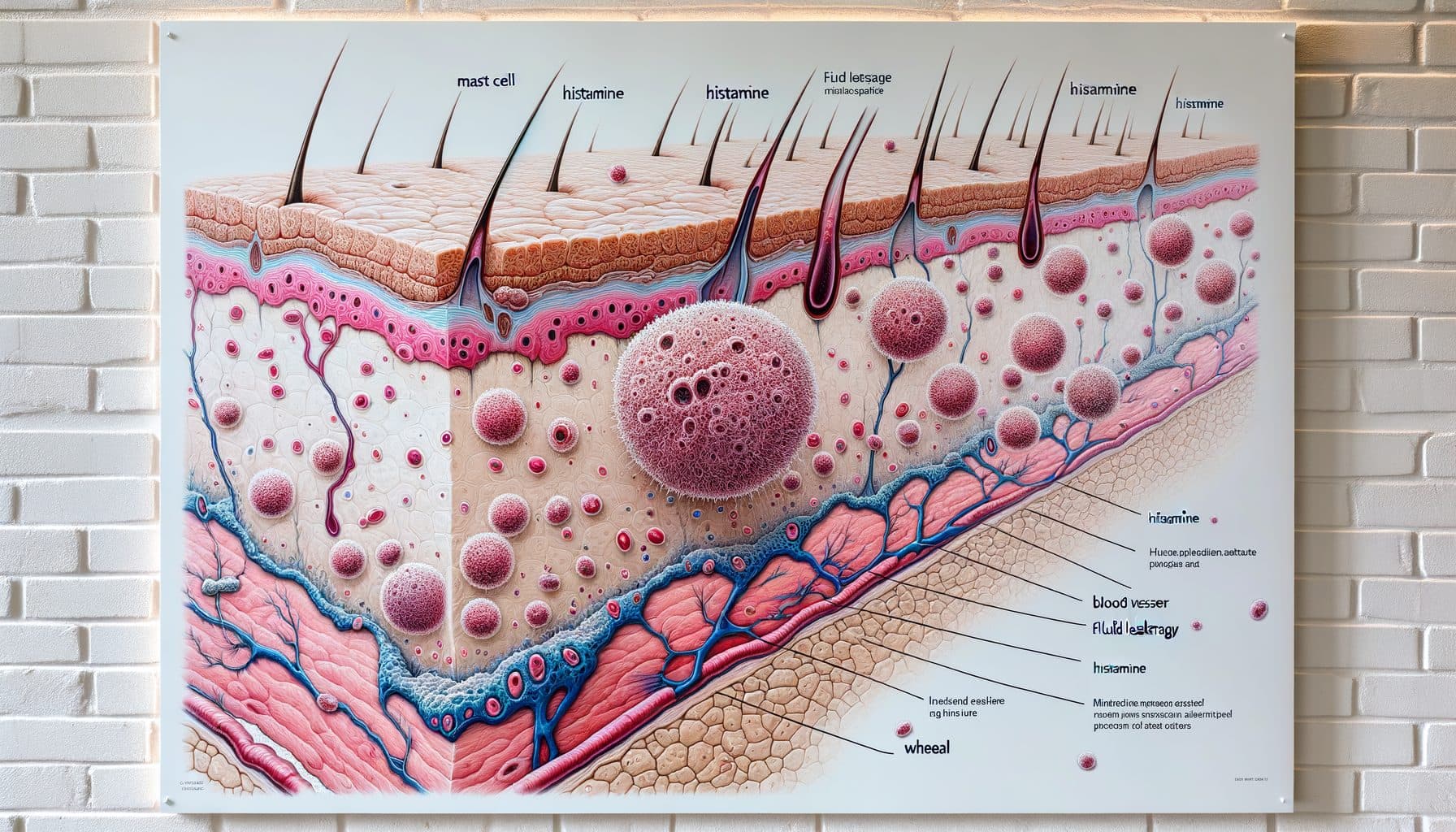
The hallmark of urticaria is its transient, migratory nature: individual wheals rarely last more than 24 hours, and new wheals appear as old ones resolve. Hives develop when mast cells in the skin release histamine and other inflammatory mediators, causing blood vessels to leak fluid into the surrounding tissue. This process can be triggered by numerous mechanisms: allergic reactions (IgE-mediated responses to foods, medications, insect stings), direct mast cell activation by physical stimuli (pressure, cold, heat, exercise), infections (viral infections are a common cause of acute hives in children), autoimmune processes (autoantibodies that stimulate mast cells), and often no identifiable cause at all.
Urticaria affects approximately 15-25% of people at some point during their lifetime. While the experience is usually brief and self-limiting, it can be intensely uncomfortable and alarming. The itch of hives differs from other skin conditions — it is deep, burning, and diffuse rather than the surface scratchy sensation of eczema, and it can be severe enough to disrupt sleep and daily activities.
Deep tissue swelling called angioedema frequently accompanies hives, appearing as puffy swelling of the lips, eyelids, hands, feet, or genitals. Angioedema is painless rather than itchy and can last 24-72 hours.
Acute vs. Chronic: Two Very Different Conditions
Urticaria is classified as acute (lasting less than six weeks) or chronic (persisting daily or almost daily for six weeks or longer), and the distinction is important because the causes, workup, and management differ substantially. Acute urticaria is far more common and is often triggered by an identifiable cause: allergic reactions to foods (shellfish, nuts, eggs, milk, soy, wheat), medications (antibiotics, NSAIDs like ibuprofen, aspirin), insect stings, or latex are classic triggers. Viral infections — upper respiratory infections, hepatitis, HIV, Epstein-Barr virus — are a common cause of acute hives, particularly in children, where a viral illness may trigger hives lasting days to weeks.
Contact with certain substances (nettles, jellyfish, some chemicals) can cause localized contact urticaria. For most acute urticaria episodes, the trigger is identified and the hives resolve once the trigger is removed and antihistamine treatment is given. Extensive allergy testing is generally not recommended for a single, self-resolving acute episode.
Chronic urticaria (CU) is a different beast entirely. It persists for months to years — the average duration is 2-5 years, and some patients suffer for decades. In approximately 80-90% of chronic urticaria cases, no external trigger can be identified; this is called chronic spontaneous urticaria (CSU).
CSU is now understood to be an autoimmune condition in roughly half of cases — autoantibodies (IgG antibodies against IgE or the IgE receptor on mast cells) chronically activate mast cells, releasing histamine spontaneously. The remaining CSU cases may involve other immune mechanisms not yet fully understood. Chronic inducible urticarias are a separate category where specific physical triggers consistently provoke hives: dermatographism (pressure/friction causing wheals), cold urticaria (cold exposure), cholinergic urticaria (heat, exercise, emotional stress causing small wheals), solar urticaria (sun exposure), pressure urticaria (sustained pressure causing delayed swelling), and aquagenic urticaria (water contact — exceedingly rare). These inducible forms are diagnosed through specific provocation testing.

Common Triggers: Food, Stress, Cold, and Beyond
Identifying triggers is straightforward for some urticaria cases and maddeningly impossible for others. Food triggers are most relevant in acute urticaria: the most common culprits are shellfish, tree nuts, peanuts, fish, eggs, milk, soy, and wheat. True food-triggered urticaria typically appears within minutes to two hours of eating the offending food and is reproducible with each exposure.
A common misconception is that food additives and preservatives are major urticaria triggers — while they occasionally contribute, their role is far less significant than popular belief suggests. Medications are important triggers: NSAIDs (ibuprofen, naproxen, aspirin) can trigger or worsen urticaria through non-allergic mechanisms, and they aggravate chronic urticaria in up to 30% of patients. Antibiotics (penicillins, sulfonamides), ACE inhibitors (which cause angioedema rather than hives), and opioids (which directly activate mast cells) are other notable drug triggers.
Stress and emotional factors are frequently reported triggers for chronic urticaria, and there is a well-established bidirectional relationship between psychological stress and mast cell activation. Stress does not cause chronic urticaria, but it can exacerbate an existing condition and trigger flares. Physical triggers produce the inducible urticarias: cold urticaria can be dangerous because cold water swimming can trigger massive histamine release leading to anaphylaxis and drowning; cholinergic urticaria occurs with any stimulus that raises core body temperature (exercise, hot showers, emotional stress, spicy food); dermatographism affects 2-5% of the population and produces wheals that form in the exact pattern of skin stroking or scratching.
Infections, particularly Helicobacter pylori, chronic dental infections, and chronic sinusitis, have been associated with chronic urticaria in some studies, and treating the infection occasionally resolves the hives. Hormonal factors may play a role — some women experience urticaria flares perimenstrually.

Treatment: Antihistamines and Beyond
Treatment of urticaria follows a stepwise approach established in international guidelines. Step one is second-generation (non-sedating) H1 antihistamines at standard doses: cetirizine, loratadine, fexofenadine, desloratadine, or bilastine taken daily (not just when symptomatic). These medications block the H1 receptors on blood vessels and nerve endings, reducing wheals and itch.
For chronic urticaria, daily antihistamine use is essential — taking them intermittently when hives appear is less effective because the goal is to prevent mast cell mediator effects continuously. If standard-dose antihistamines provide insufficient control after 2-4 weeks, step two is updosing the same antihistamine to up to four times the standard dose. This is safe and specifically recommended in urticaria guidelines, though it exceeds the manufacturer's label dose for most antihistamines.
Updosing cetirizine to 20-40mg daily (vs. standard 10mg) or fexofenadine to 360-720mg daily (vs. standard 180mg) provides additional benefit in many patients.
First-generation sedating antihistamines (diphenhydramine, hydroxyzine) may be added at bedtime for nighttime symptom relief but are not preferred for daytime use due to sedation and cognitive impairment. If updosed antihistamines remain insufficient, step three adds omalizumab (Xolair), a monoclonal antibody that binds free IgE and has dramatically improved outcomes for chronic spontaneous urticaria. Administered as a monthly subcutaneous injection, omalizumab achieves complete symptom control in approximately 60-70% of patients and partial improvement in most of the remainder.
Response is often rapid, with some patients experiencing relief within days of the first injection. Cyclosporine is a step four option for refractory cases — an immunosuppressant that inhibits T-cell function and directly inhibits mast cell activation. It is effective but carries significant side effects (kidney damage, hypertension, immunosuppression) and is reserved for severe, antihistamine- and omalizumab-resistant cases.
Systemic corticosteroids (prednisone) provide rapid relief for severe acute flares but should not be used long-term for chronic urticaria due to devastating side effects with prolonged use. Leukotriene receptor antagonists (montelukast) provide modest additional benefit in some patients, particularly those whose urticaria is worsened by NSAIDs or aspirin.

When to Worry: Recognizing Anaphylaxis
While most urticaria is uncomfortable but not dangerous, hives can occasionally be the first sign of anaphylaxis — a severe, potentially life-threatening allergic reaction that requires immediate emergency treatment. Anaphylaxis involves rapid-onset symptoms affecting multiple organ systems and can progress from mild to fatal within minutes. Recognizing the warning signs is critical.!!
The following symptoms accompanying hives indicate possible anaphylaxis and require calling emergency services immediately: difficulty breathing, wheezing, or feeling like your throat is closing; swelling of the tongue or throat; difficulty swallowing or speaking; dizziness, lightheadedness, or feeling faint; a drop in blood pressure (rapid, weak pulse); nausea, vomiting, or severe abdominal pain; a sense of impending doom. Anaphylaxis is most commonly triggered by food allergies (peanuts, tree nuts, shellfish), insect stings (bees, wasps, hornets), and medications (antibiotics, NSAIDs). If you have known risk factors for anaphylaxis, you should carry an epinephrine auto-injector (EpiPen) at all times and use it at the first sign of a severe reaction — do not wait to see if symptoms improve.
Epinephrine is the first-line treatment for anaphylaxis and can be life-saving.!! Even after using epinephrine, emergency medical evaluation is essential because symptoms can recur (biphasic anaphylaxis). For isolated hives without respiratory compromise, cardiovascular symptoms, or gastrointestinal distress, antihistamines are appropriate first-line treatment, and emergency care is not typically needed.
However, any episode where hives are accompanied by symptoms beyond the skin should be taken seriously and evaluated urgently. Patients who have experienced anaphylaxis should be referred to an allergist for comprehensive evaluation, trigger identification, and development of an emergency action plan.

When to See a Doctor About Your Hives
A single, brief episode of hives that resolves with over-the-counter antihistamines doesn't necessarily require medical evaluation. However, you should see a doctor if hives persist for more than a few days despite antihistamine treatment, if they recur frequently, or if you can't identify the trigger. Chronic urticaria (hives lasting more than six weeks) always warrants medical evaluation for proper diagnosis, trigger assessment, and stepped treatment.
If individual wheals last longer than 24 hours or leave bruising when they resolve, this suggests urticarial vasculitis — an inflammation of blood vessel walls that mimics ordinary hives but is a different condition requiring workup for underlying systemic disease. If hives are accompanied by joint pain, fever, or malaise, systemic evaluation is important. If you suspect a specific medication is causing your hives, do not abruptly stop the medication without medical guidance (unless you're having a severe reaction) — discuss it with your prescribing physician.
If standard antihistamines don't control your symptoms, a dermatologist or allergist can evaluate you for chronic spontaneous urticaria and prescribe advanced treatments including updosed antihistamines, omalizumab, or other therapies. If your quality of life is significantly impacted — disturbed sleep, inability to work, social withdrawal, anxiety about unpredictable flares — this alone is sufficient reason to seek specialist care.

How AI Skin Analysis Can Help Evaluate Hives
Urticaria is diagnosed clinically based on the characteristic appearance of transient wheals, but other conditions can mimic hives — urticarial vasculitis, erythema multiforme, contact dermatitis, and even early bullous pemphigoid can present with hive-like lesions. Skinscanner helps you assess whether your skin reaction has features consistent with urticaria versus other conditions that may require different evaluation and treatment. Photographing hives as they appear — capturing the raised, red wheals — provides documentation for your healthcare provider, particularly valuable since individual wheals may resolve before your appointment.
For chronic urticaria, maintaining a photographic diary paired with trigger documentation (food diary, activity log, stress levels, medication changes) helps identify patterns that may not be apparent from memory alone. Documenting the duration of individual wheals is particularly important: wheals lasting under 24 hours suggest ordinary urticaria, while those persisting beyond 24 hours or leaving residual bruising raise concern for urticarial vasculitis requiring biopsy. Skinscanner empowers you with objective documentation that makes medical consultations more productive and helps your doctor make accurate diagnostic and treatment decisions.