
Hvad er Trichomycosis?
Trichomycosis, ofte kaldet trichomycosis axillaris når det påvirker armhulen, er en overfladisk bakteriel infektion af hårskaft. På trods af navnet, der antyder en svampeoprindelse, er tilstanden faktisk forårsaget af bakterier fra Corynebacterium-genus. Bakterierne koloniserer den ydre overflade af hårskaft og danner synlige knuder og en karakteristisk voksagtig belægning. Selvom det ikke er en alvorlig medicinsk tilstand, kan det forårsage mærkbare kosmetiske ændringer og bidrage til kropslugt.
Hvad forårsager Trichomycosis?
Trichomycosis udvikler sig, når Corynebacterium-bakterier, som normalt lever på huden i små mængder, finder gunstige forhold til at overgro på hårskaft. Overdreven svedtendens er den primære medvirkende faktor, da bakterierne trives i varme, fugtige miljøer. Dårlige hygiejnepraksisser, der tillader sved og bakterier at ophobe sig, spiller også en betydelig rolle. Tilstanden er mere almindelig i varme, fugtige klimaer og i sommermånederne.
Hvor optræder det typisk?
Den mest almindelige placering for trichomycosis er axillær (armhule) hår. Det kan dog også påvirke pubeshår og, sjældnere, andre områder med groft kropshår. Armhulerne giver et ideelt miljø for bakterierne på grund af kombinationen af varme, fugt og hårdensitet. Hår på hovedbunden påvirkes næsten aldrig, da det mangler de lukkede, fugtige forhold, som bakterierne foretrækker.
Hvordan ser Trichomycosis ud?
Det definerende træk ved trichomycosis er en synlig belægning eller konkretions på hårskaft, der kan fremstå gul, rød eller sort afhængigt af den specifikke bakterieart, der er involveret. Gul er den mest almindelige farve og skyldes Corynebacterium flavescens, mens røde og sorte varianter er mindre hyppige. Belægningen giver håret et fortykket, voksagtigt udseende, og individuelle knuder kan nogle gange mærkes, når man ruller et påvirket hår mellem fingrene.

Forbundne symptomer og kropslugt
Udover de synlige ændringer i håret er trichomycosis ofte forbundet med øget eller unormal kropslugt. Bakterierne producerer forbindelser under deres metaboliske processer, som bidrager til en stærk, ubehagelig lugt, der måske ikke reagerer godt på almindelig brug af deodorant.!! Nogle mennesker bemærker også, at deres sved pletter tøj i usædvanlige farver, især gule eller rødlige pletter på hvide skjorter. Den berørte hud forbliver typisk sund og uden betændelse.
Behandlingsmuligheder
Det mest effektive første skridt i behandlingen af trichomycosis er at barbere eller trimme det berørte hår, hvilket fysisk fjerner størstedelen af de bakterielle kolonier. Topiske antibiotika såsom erythromycin eller clindamycin, der påføres området, hjælper med at eliminere resterende bakterier og forhindre genvækst af infektionen. Benzoylperoxid-vask kan også være effektivt som både behandling og forebyggende foranstaltning. I de fleste tilfælde løser kombinationen af hårfjerning og topisk behandling tilstanden inden for en til to uger.!!

Forebyggelsesstrategier
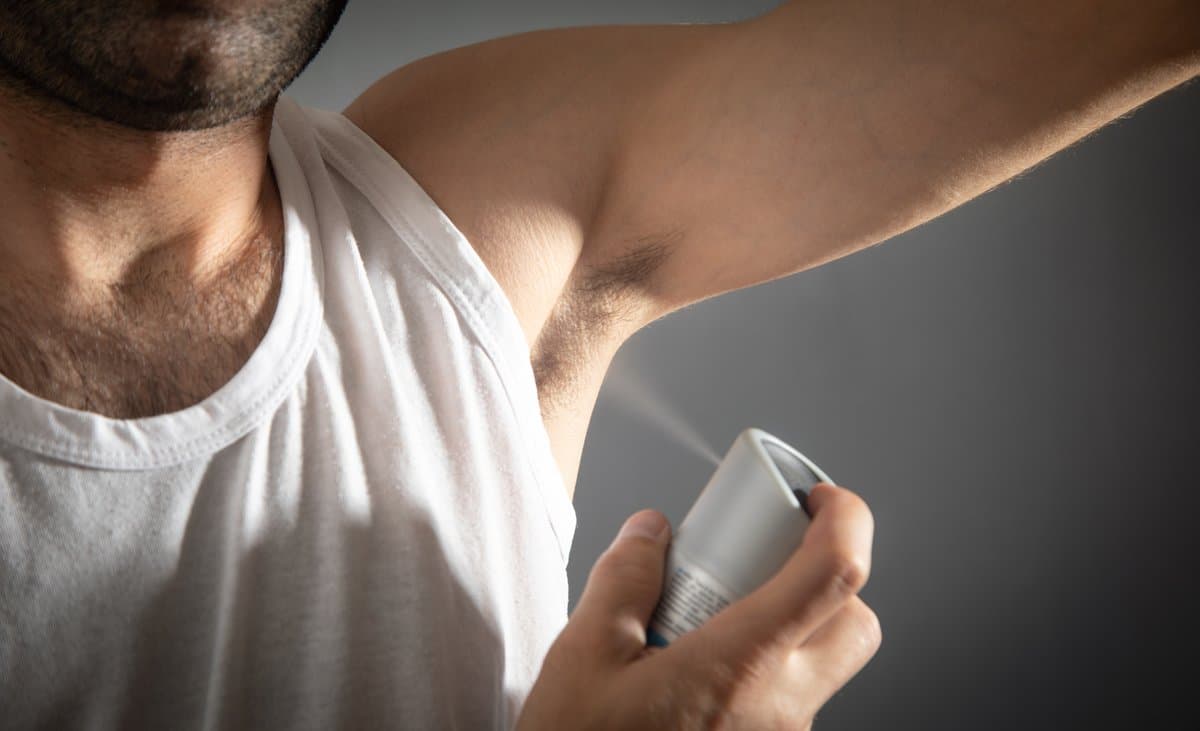
Forebyggelse af trichomycosis centrerer sig om at opretholde god hygiejne og kontrollere fugt i udsatte områder. Daglig vask af armhulerne og lysken med antibakteriel sæbe reducerer bakteriel kolonisering betydeligt. Brug af antiperspirant for at reducere sved og hurtig skiftning fra fugtigt tøj efter træning er også nyttige foranstaltninger. At holde kropshår korttrimmet i områder, der er tilbøjelige til overdreven sved, kan gøre det sværere for bakterier at etablere den tykke biofilm, der kendetegner infektionen.
Overvågning af hudændringer med Skinscanner
Selvom trichomycosis er en ligetil tilstand at håndtere, kan den nogle gange forveksles med andre hår- og hudinfektioner, der kræver anden behandling. Skinscanner kan hjælpe dig med at dokumentere og analysere usædvanlige ændringer i din hud og dit hår, og give AI-drevne indsigter, der guider dig mod den rette handlingsplan. Ved at fotografere det berørte område kan du følge din reaktion på behandlingen og bekræfte, at infektionen forløber som forventet. Hvis tilstanden fortsætter eller ser anderledes ud end typisk trichomycosis, kan Skinscanner hjælpe dig med at afgøre, om et besøg hos en dermatolog er berettiget.