
What Is Seborrheic Dermatitis?
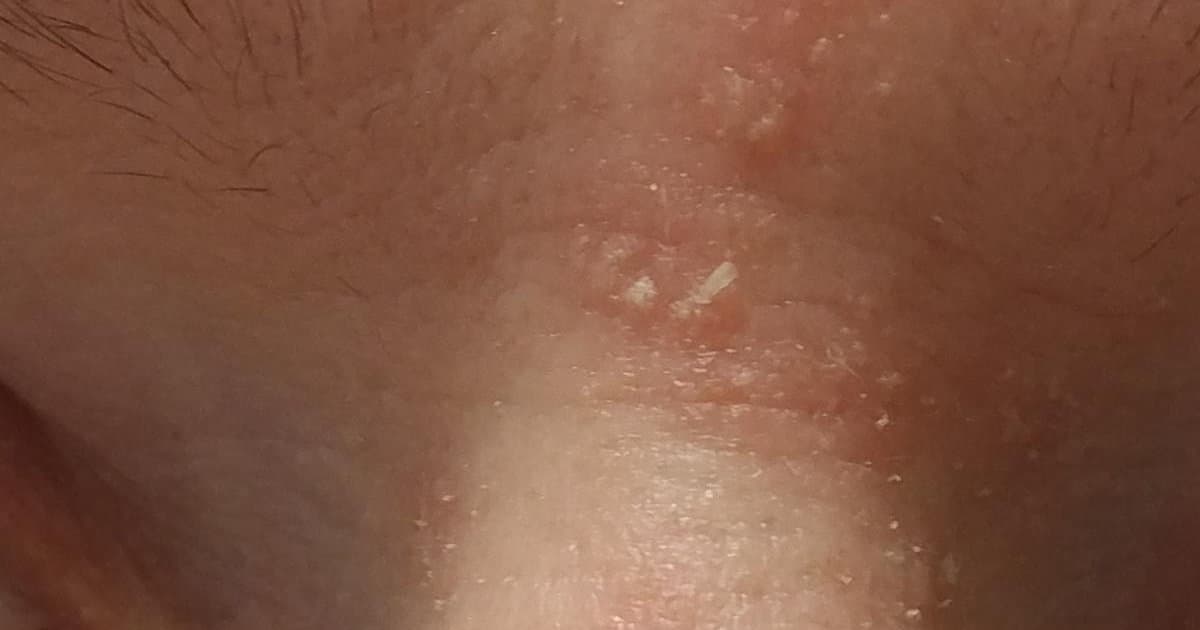
Seborrheic dermatitis is a common, chronic inflammatory skin condition that primarily affects sebaceous (oil-rich) areas of the body — the scalp, face, chest, and skin folds. It presents as greasy, yellowish-white scales on a reddened base. In infants, the condition is known as cradle cap.
The disease follows a relapsing-remitting course and is not contagious, but without consistent care it tends to recur regularly. Seborrheic dermatitis affects an estimated 1–3% of the general adult population and up to 5% of young adults, making it one of the most common dermatological conditions worldwide.

Causes and Triggers
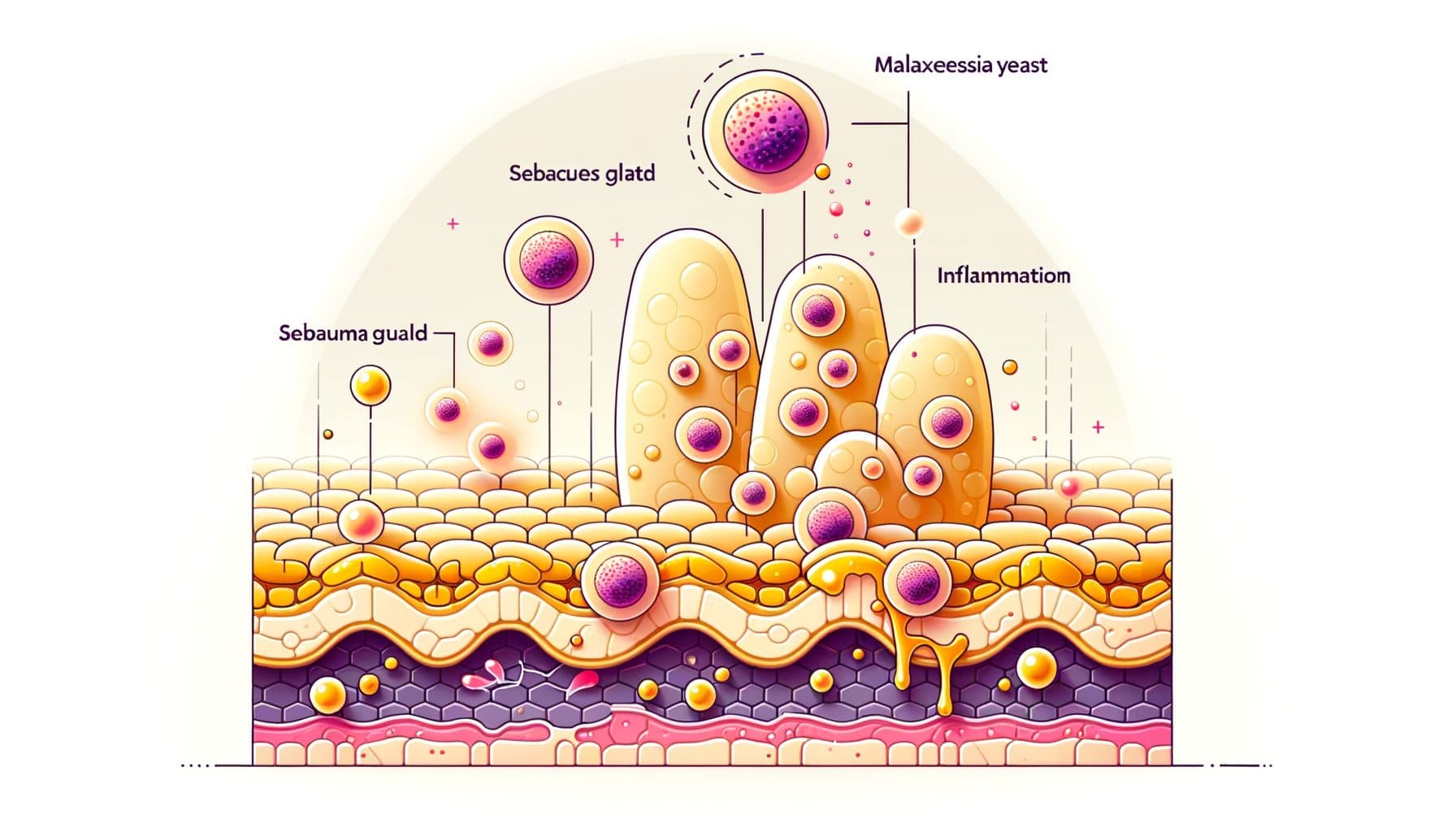
The exact cause is multifactorial. A key role is played by the yeast genus Malassezia, which lives naturally on the skin and breaks down sebum into irritating fatty acids.!! Genetic predisposition, hormonal fluctuations, stress, cold weather, and a weakened immune system all promote flare-ups.
Neurological conditions such as Parkinson's disease and HIV/AIDS significantly increase the risk. Excessive alcohol consumption and certain medications can also worsen symptoms. The condition tends to be more severe in winter months when cold, dry air and indoor heating reduce skin moisture.
Typical Symptoms
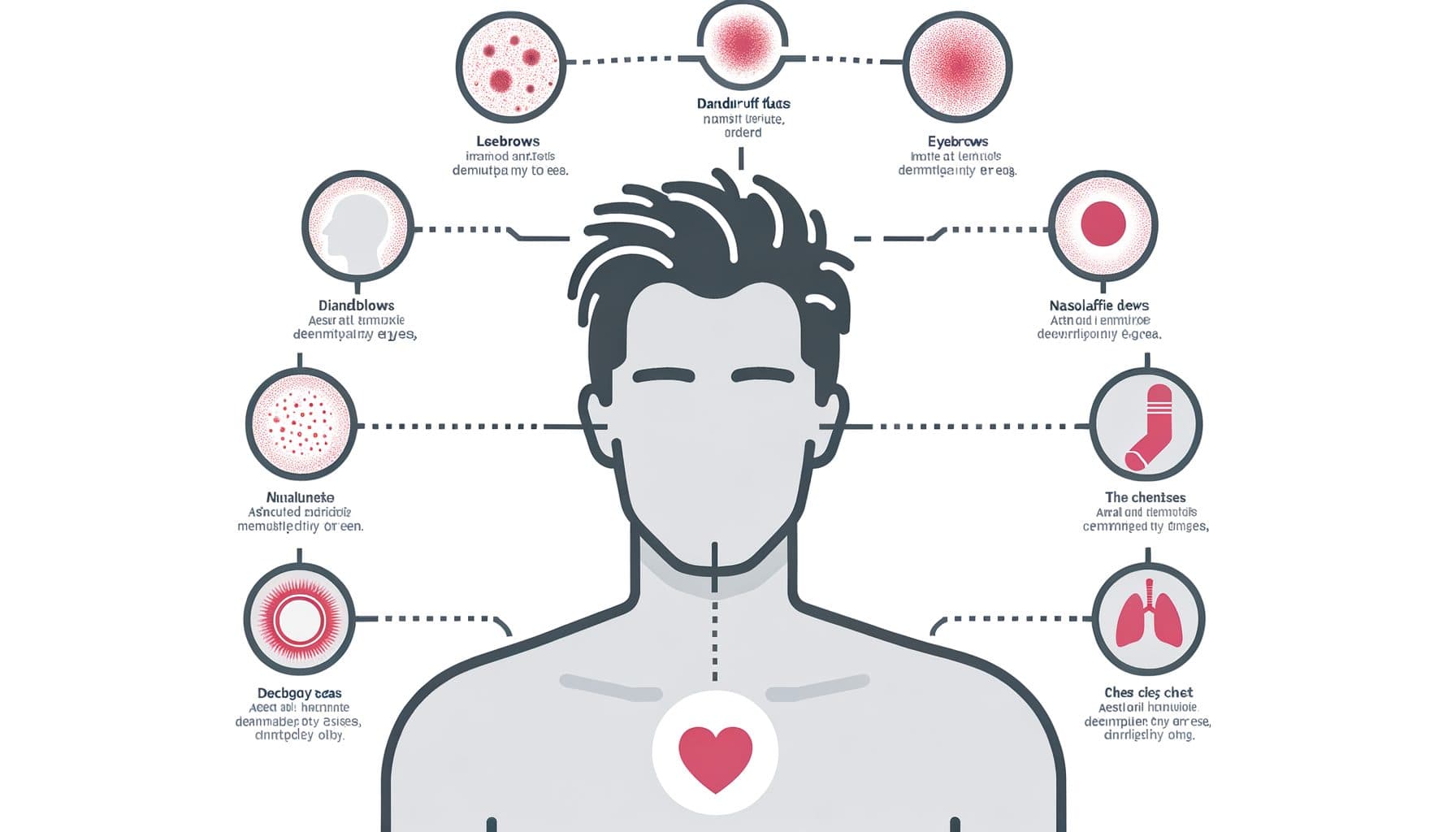
The condition manifests as scaly, sometimes greasy plaques on reddened skin. On the scalp, this presents as stubborn dandruff that goes beyond ordinary flaking. On the face, the nasolabial folds, eyebrows, and hairline are frequently affected.
Behind the ears, on the central chest, and in skin folds, additional patches may develop. Itching is common and ranges from mild to severely distressing. In darker skin tones, the redness may appear as hypopigmented or hyperpigmented patches rather than classic erythema.
Diagnosis and Differentiation
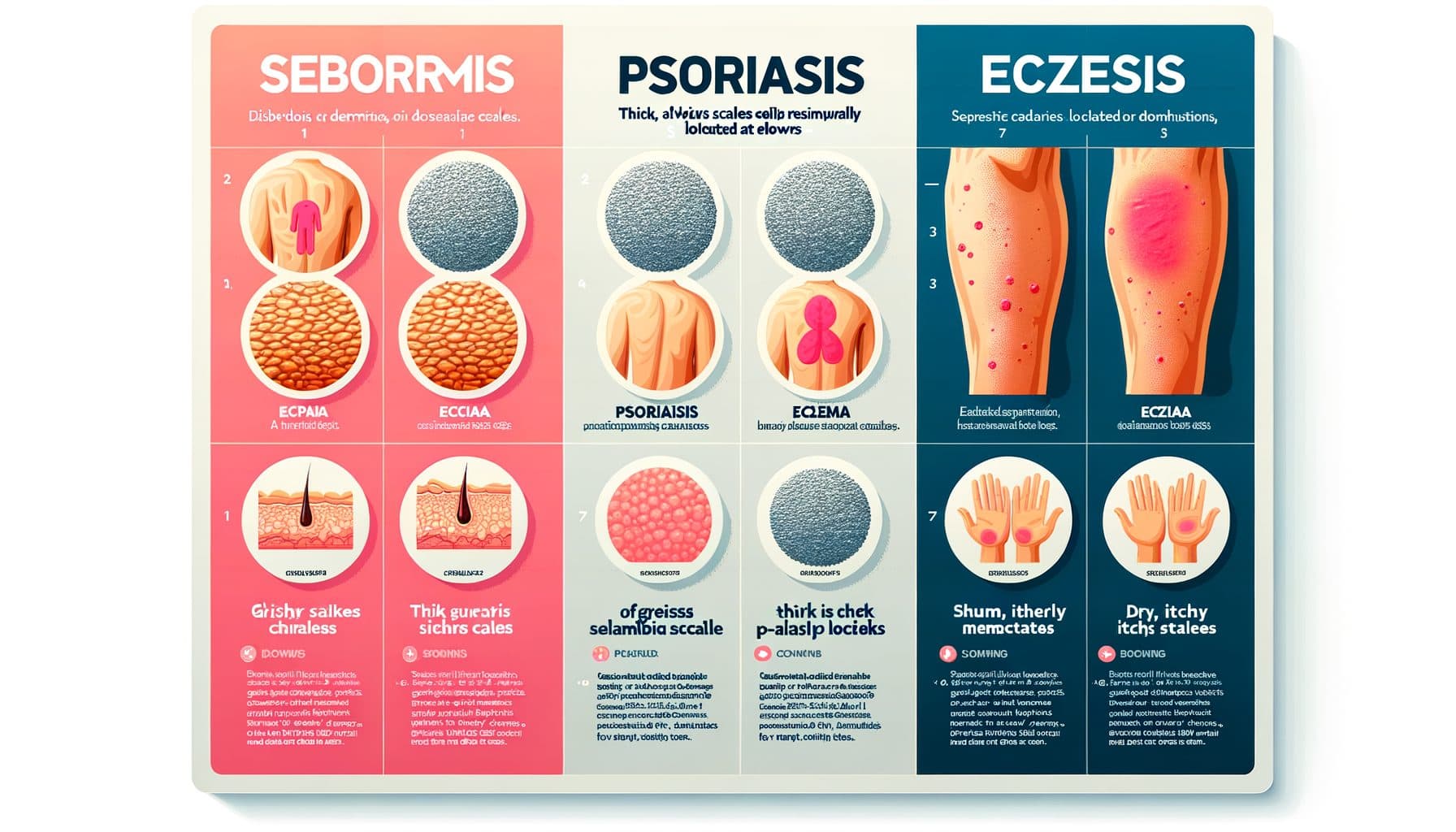
Diagnosis is clinical, based on the typical distribution and morphology. Dermatologists distinguish seborrheic dermatitis from psoriasis, contact dermatitis, rosacea, and tinea. In psoriasis, scales tend to be silvery and plaques more sharply defined.
For fungal infections, a KOH test or fungal culture can help. A skin biopsy is rarely necessary but can be useful in unclear cases. The overlap between seborrheic dermatitis and scalp psoriasis (sometimes called sebopsoriasis) can make differentiation challenging.
Treatment Options
Treatment depends on severity and location. For the scalp, antifungal shampoos containing ketoconazole, zinc pyrithione, or selenium sulfide are first-line treatments.!! On the face, topical antifungals such as ketoconazole cream or mild corticosteroids provide short-term relief during acute flares.
Calcineurin inhibitors (tacrolimus, pimecrolimus) offer a steroid-free alternative for sensitive areas. For severe cases, a short course of systemic antifungal therapy may be considered. Combination therapy often yields the best results.

Long-Term Management and Prevention
Since seborrheic dermatitis follows a chronic-relapsing course, consistent skincare is essential. Regular use of antifungal shampoos — even during symptom-free phases — can reduce relapses. Stress management, adequate sleep, and a balanced diet support skin health.
Mild, soap-free cleansing and non-comedogenic moisturizers help maintain the skin barrier. For recurrent flares, a long-term dermatological strategy should be discussed with your healthcare provider.

How AI Skin Analysis Can Help
Scaly, red patches on the scalp, face, or chest can represent seborrheic dermatitis, psoriasis, fungal infection, or contact dermatitis — and choosing the wrong over-the-counter treatment wastes time and money. Skinscanner uses AI-powered image analysis to evaluate your skin's appearance and help distinguish between these conditions based on scale type, distribution pattern, and location. By photographing affected areas regularly, you can track whether your current shampoo or cream is reducing flaking and redness over time, or whether a different approach is needed.
This visual documentation is especially valuable for dermatology appointments, where your skin may look better or worse than usual on any given day. Skinscanner does not replace professional dermatologic diagnosis, but it provides accessible first-line guidance and helps you monitor your seborrheic dermatitis management between clinic visits.