
What Is a Pyogenic Granuloma?
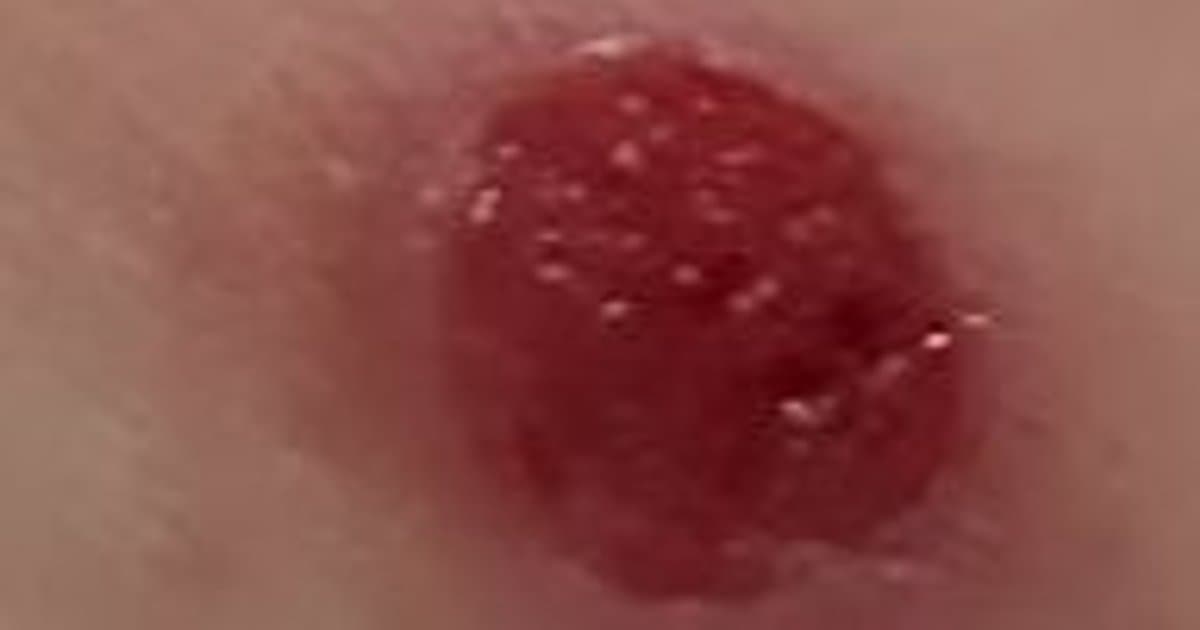
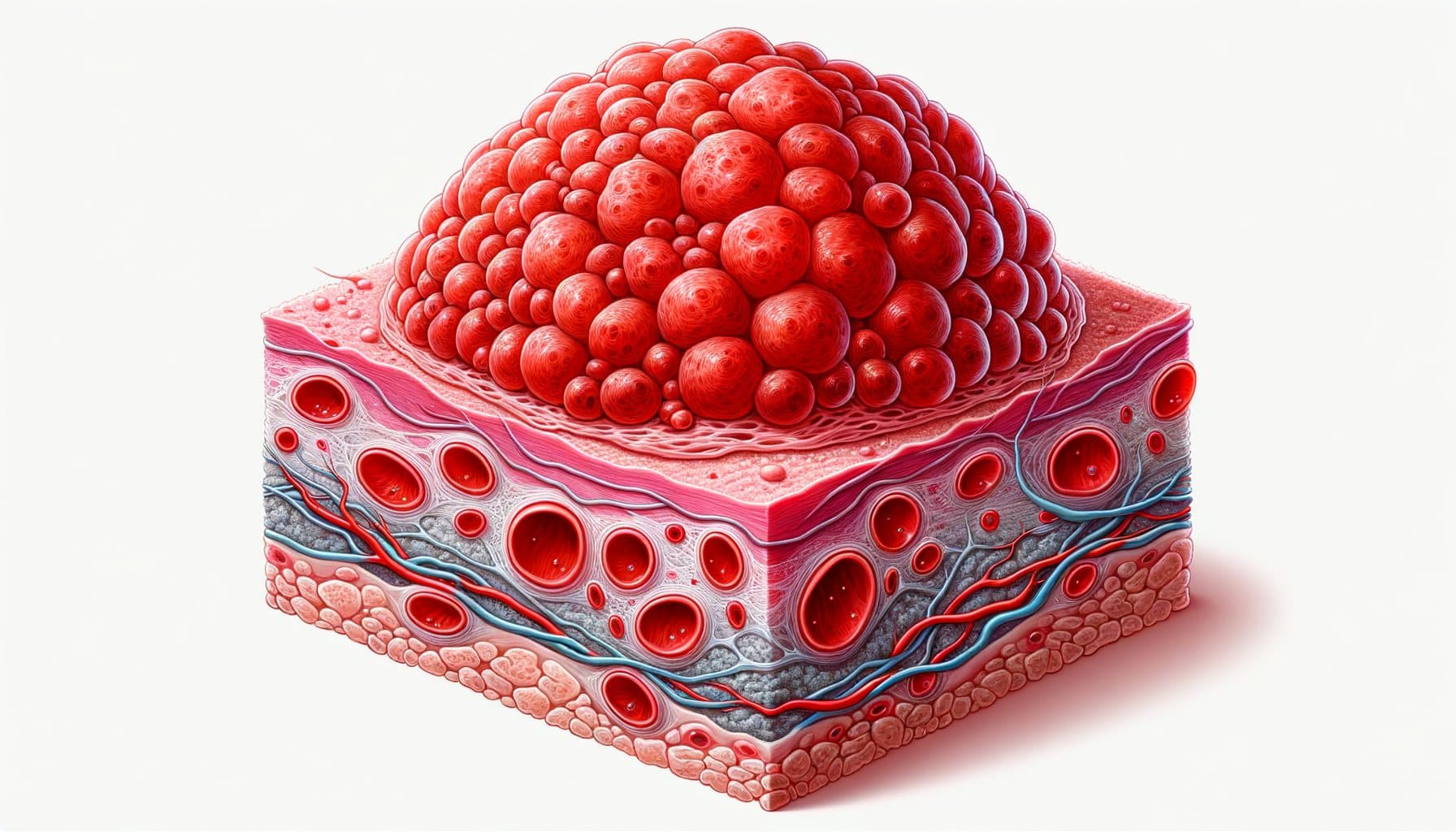
A pyogenic granuloma (lobular capillary hemangioma) is a benign, rapidly growing vascular proliferation of the skin. Despite the name, it contains neither pus nor is it a true granuloma — the historical name is misleading. The lesion consists of newly formed capillaries within loose connective tissue and appears as a red to dark red, elevated nodule that can bleed profusely with the slightest touch. Pyogenic granulomas occur at any age but are particularly common in children and young adults.
Causes and Triggers
The exact cause is not fully understood. In many cases, pyogenic granulomas develop after local injury — a puncture, scratch, surgical procedure, or insect bite. Hormonal factors play a role: they occur more frequently during pregnancy (granuloma gravidarum, especially on the gums).
Certain medications (retinoids, some tyrosine kinase inhibitors) can promote their development. Occasionally they arise without any identifiable trigger.
Typical Symptoms
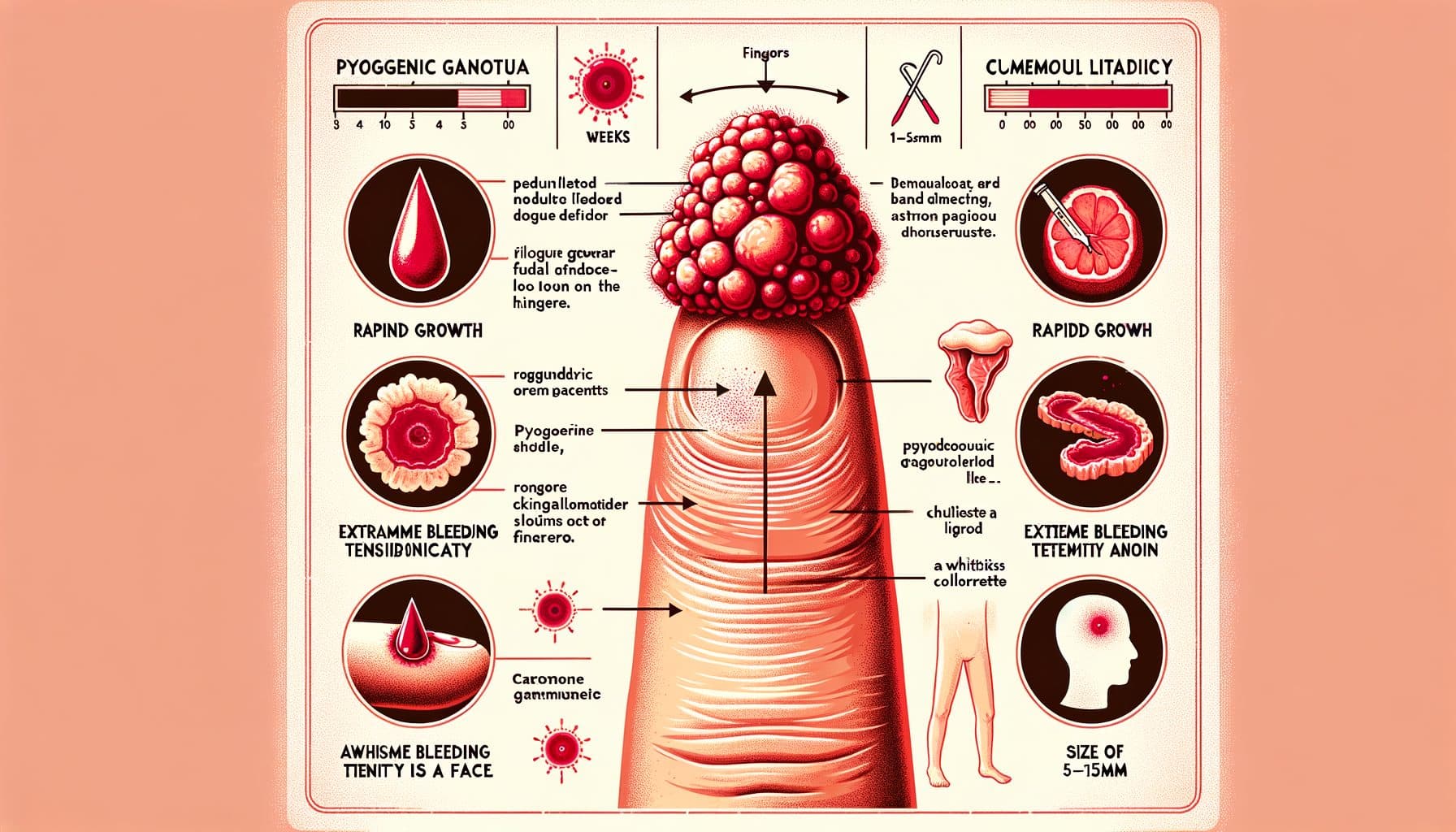
Pyogenic granulomas typically grow rapidly over a few weeks to a 5–15 mm pedunculated or broad-based nodule. The surface is smooth, shiny, and deep red to brownish-red. The most striking feature is the extreme bleeding tendency — even minimal touch can cause heavy bleeding that is difficult to stop.!!
A whitish epithelial collarette often surrounds the base. Favored sites include fingers, lips, gums, face, and trunk.
Diagnosis
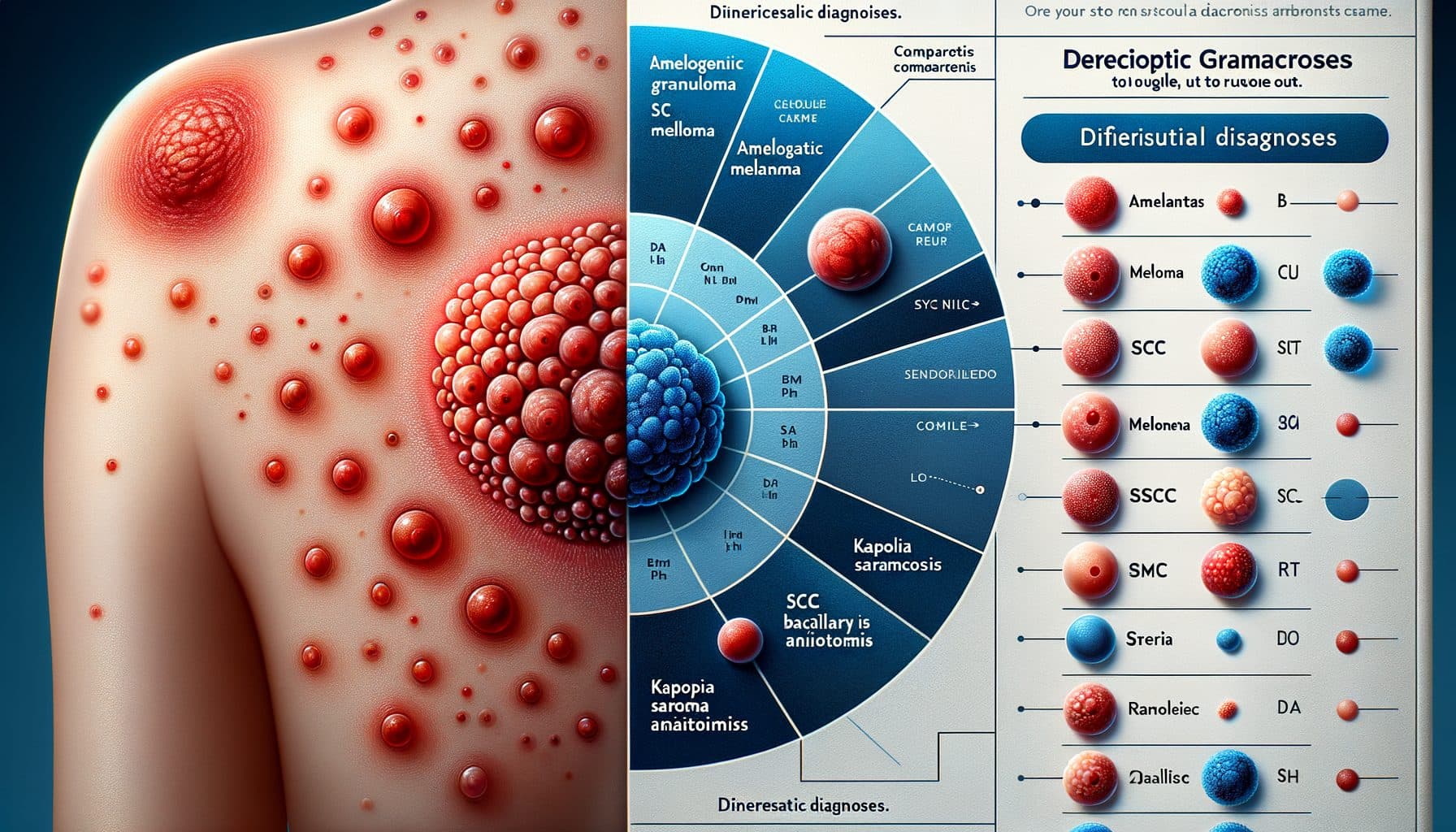
Diagnosis is usually clinical based on the typical appearance — a rapidly growing, pedunculated, easily bleeding vascular nodule. Dermoscopy reveals a homogeneous red pattern with whitish collarette. Histopathological examination after removal confirms the diagnosis and excludes important differential diagnoses: amelanotic melanoma, squamous cell carcinoma, Kaposi sarcoma, and bacillary angiomatosis. Especially in adults, all removed tissue should be examined histologically.!!
Treatment and Removal
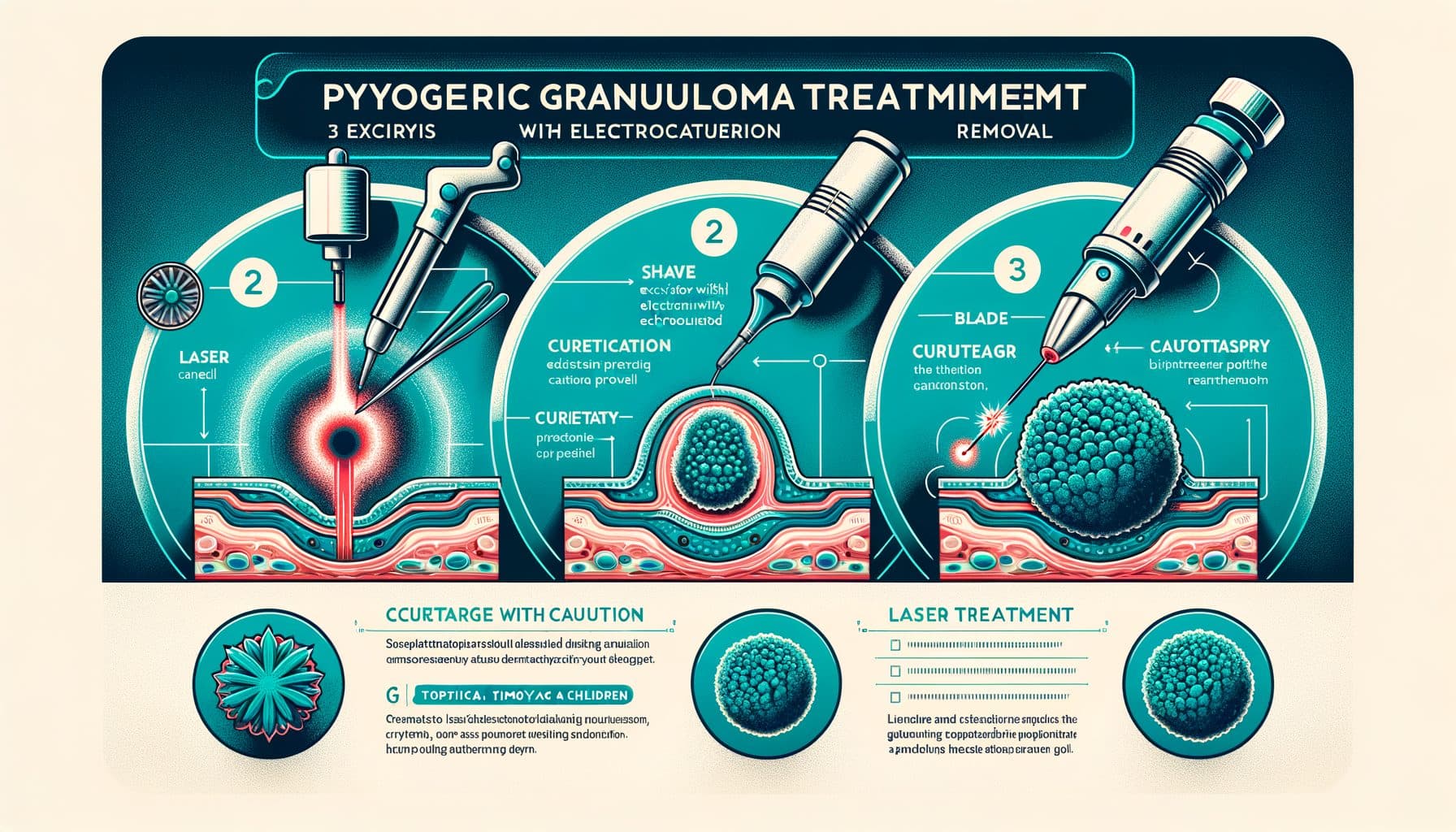
Since pyogenic granulomas do not resolve spontaneously and can bleed heavily, treatment is recommended. Shave excision with electrocautery of the base is the standard procedure — it enables histological examination and has low recurrence rates. Other options include curettage with cauterization, cryotherapy, and laser treatment (Nd:YAG or pulsed dye laser).
For small lesions, especially in children, topical timolol or imiquimod may be tried. Complete removal is important, as incompletely treated lesions frequently recur.
Special Considerations and Prognosis
The prognosis is excellent — pyogenic granulomas are benign and do not metastasize. Recurrences after incomplete removal occur in 10–15% of cases, sometimes as multiple satellite lesions around the original site. During pregnancy, oral pyogenic granulomas often regress spontaneously after delivery. In children, finger and toe lesions can impair daily function and should be treated promptly.
How AI Skin Analysis Can Help
A rapidly growing, bright red nodule that bleeds easily is alarming — and rightfully so, as it needs to be evaluated. Skinscanner can help you assess whether a new skin growth is consistent with a pyogenic granuloma based on its color, shape, surface texture, and growth pattern. Importantly, the AI analysis also flags features that may suggest more concerning diagnoses such as amelanotic melanoma, helping you understand the urgency of seeking professional evaluation.
After removal, Skinscanner can monitor the treatment site for signs of recurrence, which occurs in about 10–15% of cases. Skinscanner does not replace histopathological examination — which is essential after removal to confirm the diagnosis — but it provides valuable initial assessment that helps you act quickly when a suspicious growth appears.