
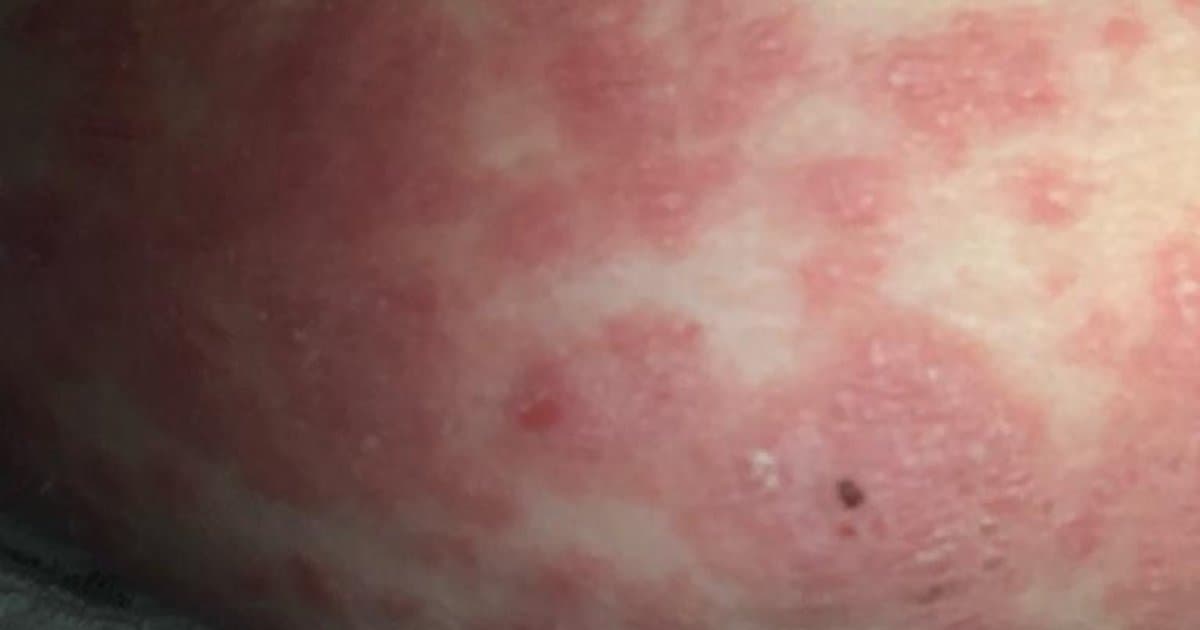
What Is Pustular Psoriasis?
Pustular psoriasis is a rare but serious form of psoriasis characterized by sterile (non-infectious) pustules on inflamed, reddened skin. Unlike common plaque psoriasis, white or yellowish blisters take center stage — these contain no bacteria. The condition is divided into localized forms (hands, feet) and generalized forms (affecting the entire body). The generalized form can be life-threatening and requires immediate medical treatment.

Forms of Pustular Psoriasis
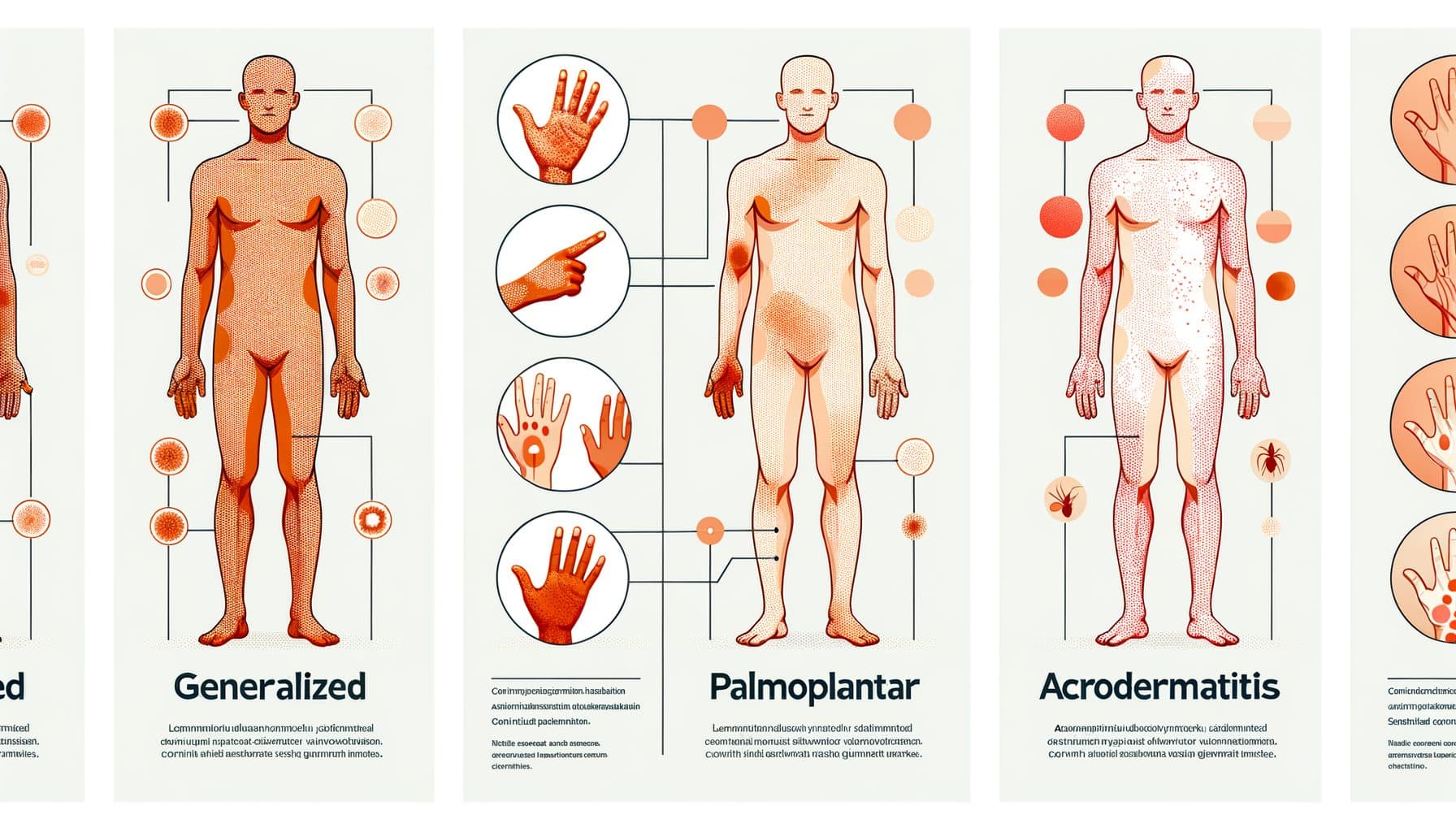
The main forms are: Generalized pustular psoriasis (GPP, von Zumbusch type) — acute onset with fever, widespread erythema, and pustule formation across the body, potentially life-threatening. Palmoplantar pustulosis (Barber type) — chronic, sterile pustules on palms and soles that severely impact daily life. Acrodermatitis continua of Hallopeau — persistent pustule formation on fingertips and toes that can lead to nail loss and bone changes.
Causes and Triggers
Pustular psoriasis is caused by overactivation of the innate immune system, leading to massive neutrophil migration into the epidermis. Common triggers include: abrupt discontinuation of systemic corticosteroids, infections (especially streptococcal), pregnancy (impetigo herpetiformis), severe emotional stress, certain medications, and smoking. Genetic mutations in the IL36RN gene have been identified in familial forms of GPP.

Symptoms and Complications
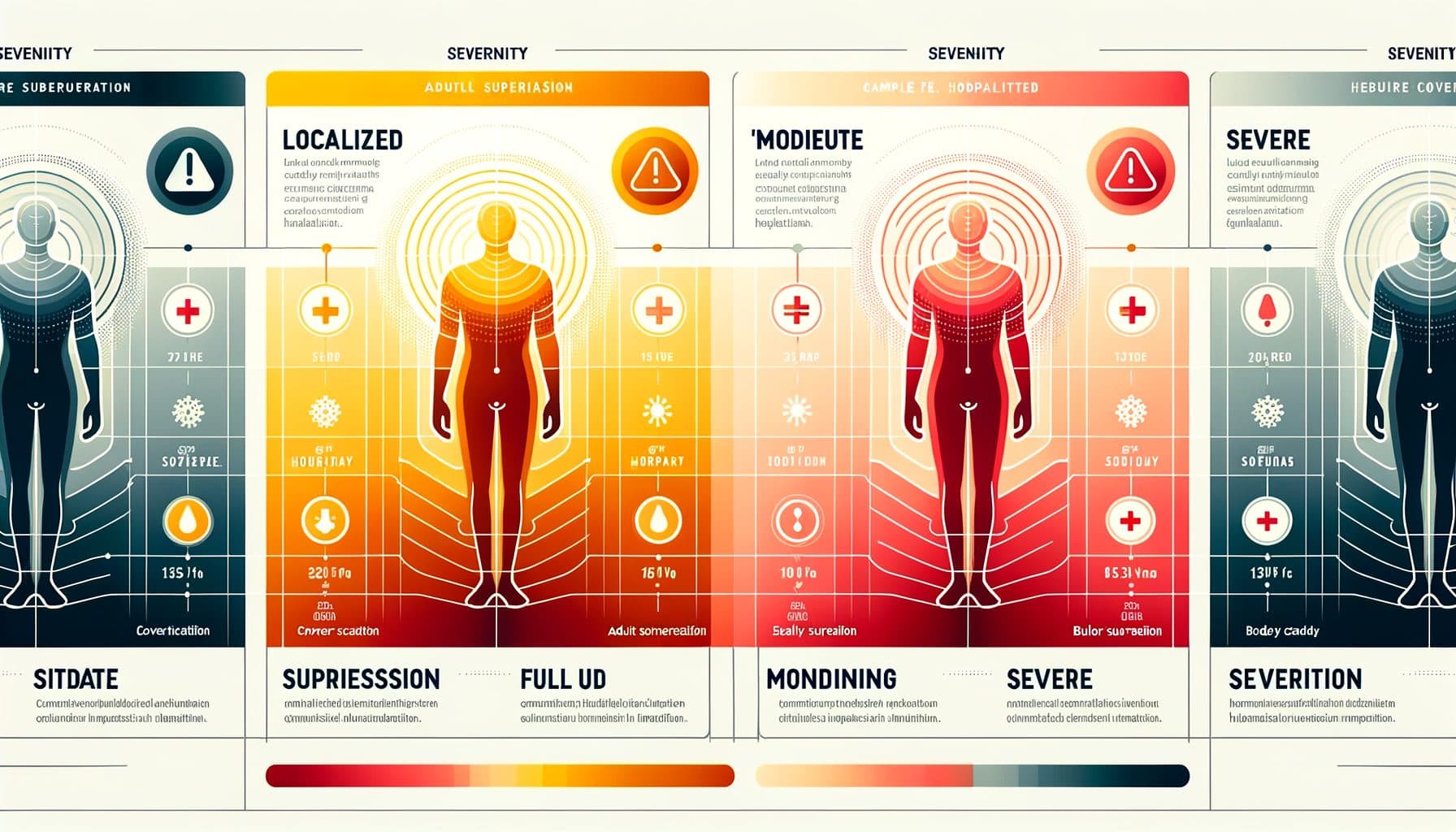
In the generalized form, widespread skin redness with thousands of small pustules appears suddenly, accompanied by fever, chills, tachycardia, and general malaise. Pustules may coalesce into lakes of pus. Complications include fluid and electrolyte losses, sepsis, and organ failure.!! In the palmoplantar form, painful pustules and scaling on hands and feet predominate — often with significant functional impairment.
Diagnosis
Diagnosis is based on the clinical picture and skin biopsy, which shows subcorneal pustule formation with neutrophil infiltration — without pathogen detection (sterile pustules). Laboratory tests typically show elevated inflammatory markers (CRP, ESR), leukocytosis, and possibly hypoalbuminemia. Differentiating from infectious pustuloses and other neutrophilic dermatoses is critical.

Treatment and Management
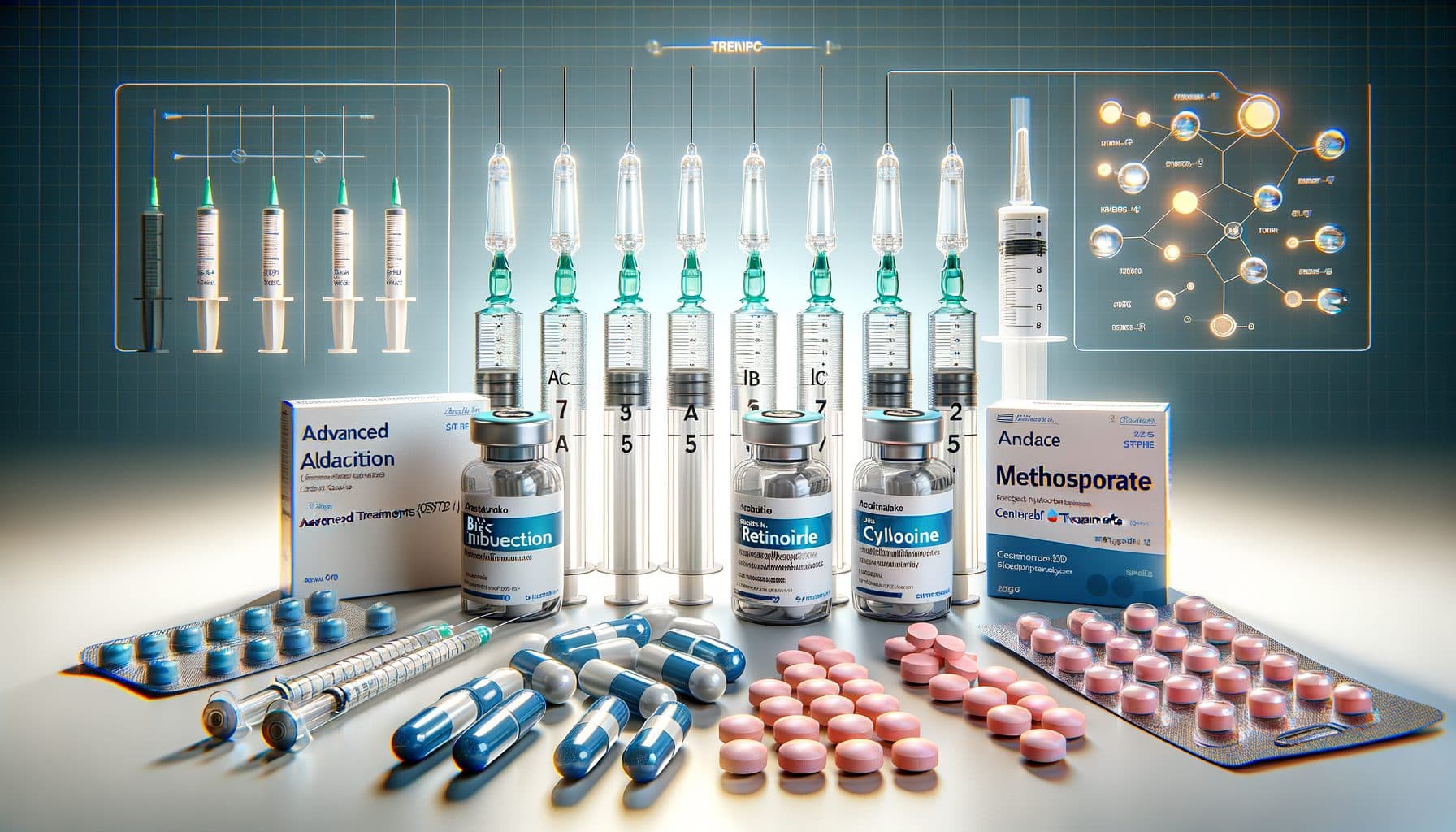
Treatment depends on the form and severity. GPP often requires hospitalization with systemic medications: cyclosporine for rapid control, methotrexate, acitretin, or biologics (infliximab, spesolimab — a specific IL-36 receptor antagonist). For the palmoplantar form, topical high-potency steroids, PUVA therapy, acitretin, and biologics are options. Avoiding known triggers is essential, particularly the gradual tapering of systemic steroids rather than abrupt discontinuation.!!
How AI Skin Analysis Can Help
Pustular psoriasis — particularly the palmoplantar form — requires careful monitoring to track flare severity and treatment response. Skinscanner allows you to photograph your palms, soles, or other affected areas regularly, creating an objective visual record that captures pustule density, redness, and scaling over time. This documentation is invaluable for dermatology appointments, helping your doctor assess whether your current therapy is controlling the disease or whether adjustments are needed.
For patients with known psoriasis, the app can help identify early signs of a pustular flare — new pustules appearing on previously stable skin — allowing for timely intervention. Skinscanner does not replace professional evaluation, which is critical for this potentially serious condition, but it supports informed self-monitoring and more productive clinical consultations.