
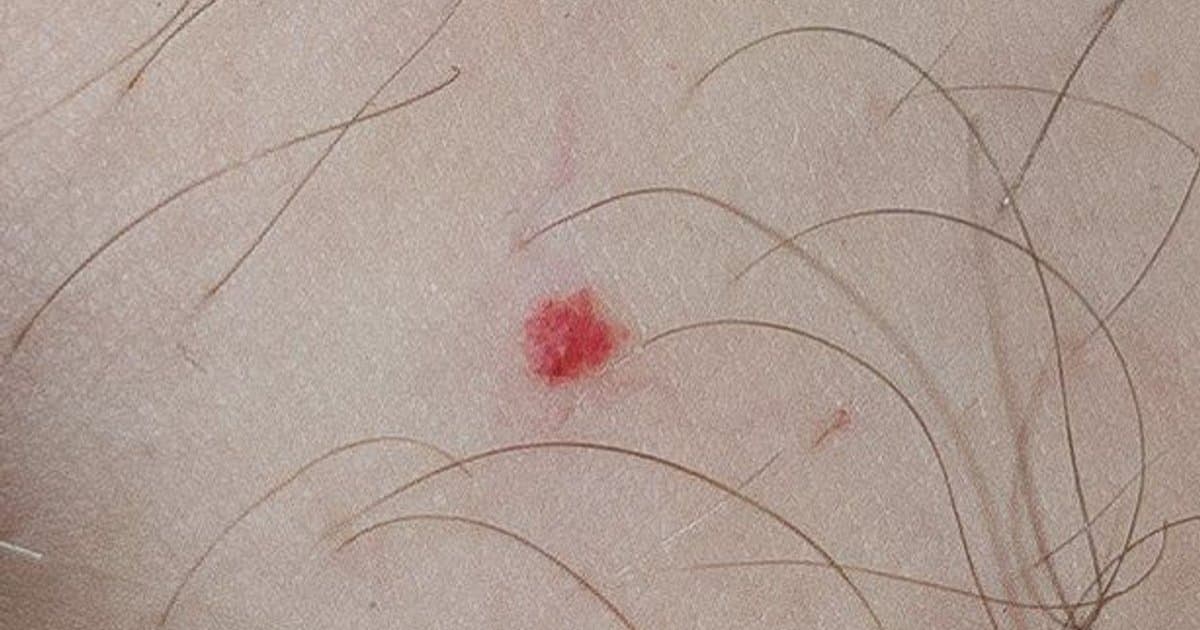
What Is an Infantile Hemangioma?
An infantile hemangioma (IH) is a benign vascular tumor composed of rapidly proliferating endothelial cells — the cells that line blood vessels. It is the most common tumor of infancy, affecting approximately 4 to 10 percent of Caucasian infants, with lower incidence in Asian and African populations. Hemangiomas are two to three times more common in girls than boys, and premature infants and those with low birth weight are at significantly increased risk.
These lesions typically appear within the first few weeks of life, often preceded by a pale or slightly reddened precursor mark present at birth. Infantile hemangiomas can occur anywhere on the body but are most common on the head and neck, accounting for about 60 percent of cases. They are classified based on their depth: superficial hemangiomas involve only the upper dermis and appear as bright red, raised, lobulated masses (the classic strawberry hemangioma); deep hemangiomas reside in the lower dermis and subcutaneous tissue, presenting as bluish, compressible swellings beneath intact skin; and mixed hemangiomas have both superficial and deep components.
Size ranges from a few millimeters to several centimeters, and while most are solitary, approximately 15 to 20 percent of affected infants have multiple hemangiomas. Despite their often dramatic appearance and rapid early growth, the vast majority of infantile hemangiomas are medically insignificant and follow a predictable natural course of growth, stabilization, and spontaneous regression.

The Three Phases: Growth, Plateau, and Involution
Understanding the natural history of infantile hemangiomas is essential for appropriate management, as these tumors follow a remarkably predictable lifecycle consisting of three distinct phases. The proliferative (growth) phase begins in the first weeks of life and is characterized by rapid enlargement of the hemangioma. Most growth occurs during the first three to five months, with 80 percent of maximum size typically reached by three months of age.
During this phase, superficial hemangiomas become increasingly red, raised, and lobulated, while deep hemangiomas expand as bluish, compressible masses. Growth can be alarming for parents — a tiny red spot can enlarge to several centimeters within weeks — but this proliferative phase is self-limiting. The plateau phase follows, typically beginning around six to nine months of age, during which the hemangioma stops growing and remains stable.
Color may begin to dull from bright red to a more muted reddish-purple. This phase can last months. The involution (regression) phase is the hallmark feature that distinguishes infantile hemangiomas from other vascular anomalies.
Spontaneous regression begins as the endothelial cells undergo apoptosis and are gradually replaced by fibrofatty tissue. The color fades from red to gray or pale, and the mass slowly shrinks. Involution occurs at an approximate rate of 10 percent per year — by age five, 50 percent of involution is complete; by age seven, 70 percent; and by age nine to ten, most hemangiomas have involuted completely. However, complete involution does not always mean complete cosmetic restoration: residual changes including telangiectasias, fibrofatty masses, redundant skin, or scarring (particularly if the hemangioma ulcerated) may persist and require later corrective treatment.

When Hemangiomas Require Urgent Treatment
While most infantile hemangiomas are benign and self-resolving, approximately 10 to 15 percent require active treatment due to their location, size, or complications. Hemangiomas threatening the visual axis — periorbital hemangiomas that obstruct vision or cause astigmatism by pressing on the developing eye — require urgent intervention because visual deprivation during the critical period of visual development can cause permanent amblyopia (lazy eye).!! Airway hemangiomas, particularly subglottic hemangiomas in the trachea, can cause progressive stridor, respiratory distress, and life-threatening airway obstruction.
These are often associated with segmental cutaneous hemangiomas in the beard distribution area and require immediate medical attention if breathing difficulties develop. Hemangiomas on the nasal tip (the Cyrano nose hemangioma) risk permanent cartilage destruction and nasal deformity if untreated during the growth phase. Large facial hemangiomas, particularly those in a segmental pattern, can be associated with PHACE syndrome — a constellation of abnormalities including posterior fossa brain malformations, hemangioma, arterial anomalies, cardiac defects, and eye abnormalities — requiring comprehensive evaluation with brain MRI, echocardiography, and ophthalmologic assessment.
Ulceration is the most common complication of infantile hemangiomas, occurring in approximately 15 percent of cases, particularly in hemangiomas located in areas of friction or moisture such as the lip, diaper area, neck folds, and axillae. Ulcerated hemangiomas cause significant pain, risk secondary bacterial infection, and heal with scarring. Large hemangiomas or those on the face causing significant disfigurement also warrant treatment to minimize the psychosocial impact on the developing child.

Propranolol: The Revolutionary Treatment
The discovery of propranolol's remarkable efficacy against infantile hemangiomas in 2008 — a serendipitous finding when a child treated with propranolol for cardiac reasons experienced dramatic hemangioma regression — revolutionized the management of problematic hemangiomas. Oral propranolol, a non-selective beta-adrenergic blocker previously used to treat high blood pressure and heart conditions, is now the first-line treatment for infantile hemangiomas requiring systemic therapy. The standard dose is two to three milligrams per kilogram per day, divided into two or three doses, initiated as early as five weeks of age and continued until approximately 12 months, though treatment duration varies based on response and risk of rebound growth.
Propranolol works through multiple mechanisms: it causes immediate vasoconstriction of hemangioma blood vessels (visible as softening and color change within hours to days of starting treatment), inhibits the expression of vascular endothelial growth factor (VEGF) and basic fibroblast growth factor (bFGF) that drive hemangioma proliferation, and triggers apoptosis of proliferating endothelial cells. Response rates are excellent, with more than 95 percent of treated hemangiomas showing significant improvement.!! Side effects include hypotension, bradycardia, hypoglycemia (particularly with fasting or illness), bronchospasm in susceptible infants, sleep disturbance, and cold extremities.
Treatment initiation typically requires medical monitoring. Rebound growth occurs in approximately 10 to 25 percent of cases after discontinuation, particularly if treatment is stopped before 12 months of age. Topical timolol, another beta-blocker, is used for small, thin, superficial hemangiomas, applied directly to the lesion surface two to three times daily with lower systemic absorption and side effect risk.

Other Treatment Options and Long-Term Outcomes
Beyond propranolol, several other treatment modalities are available for infantile hemangiomas depending on specific clinical circumstances. Systemic corticosteroids (prednisolone at two to three milligrams per kilogram per day) were the standard treatment before propranolol and are still used when beta-blockers are contraindicated, though their side effect profile — including growth suppression, immunosuppression, adrenal suppression, and mood changes — makes them less desirable. Pulsed dye laser (PDL) therapy targets the superficial vascular component of hemangiomas and is particularly useful for treating residual telangiectasias after involution, early superficial hemangiomas, and ulcerated hemangiomas (where it promotes healing and reduces pain).
Surgical excision is reserved for hemangiomas causing functional impairment not responsive to medical therapy, removal of residual fibrofatty tissue after involution, and reconstruction of anatomic distortion such as nasal tip deformity. Surgery is generally deferred until after maximum involution unless urgent intervention is needed. For long-term outcomes, parents should understand that while most hemangiomas involute substantially, approximately 50 to 70 percent leave some residual cosmetic changes that may include telangiectasias, textural irregularity, redundant skin, fibrofatty residuum, or scarring from prior ulceration.
These residual changes are more common with large hemangiomas, those that ulcerated, deep or mixed types, and hemangiomas on cosmetically sensitive areas. Modern treatment with propranolol during the proliferative phase significantly reduces the burden of residual changes by limiting maximum hemangioma growth and accelerating involution.

How AI Skin Analysis Can Help
When parents notice a new red mark or growing bump on their infant's skin, concern is natural and immediate. Is it a hemangioma? Is it something more serious?
Will it go away? Skinscanner provides rapid AI-powered assessment that can help parents determine whether their baby's skin lesion has features consistent with an infantile hemangioma or warrants more urgent medical evaluation. By photographing the lesion, parents receive immediate analysis of its visual characteristics — color, surface texture, border definition, and morphology — compared against patterns typical of superficial, deep, and mixed hemangiomas as well as other vascular anomalies that may require different management approaches.
This is especially valuable during the early weeks when hemangiomas are evolving rapidly and parents need guidance on whether the changes they are observing are within the expected growth pattern. Skinscanner can also help track hemangioma progression over time through serial photographs, documenting the transition from growth through plateau to involution and helping parents and physicians assess whether the hemangioma is following the expected natural course or deviating in ways that suggest intervention is needed. Skinscanner does not replace pediatric or dermatologic evaluation — any rapidly growing vascular lesion in an infant, particularly near the eyes, airway, or in a segmental pattern, needs prompt professional assessment. But it provides accessible, immediate reassurance or appropriate concern that helps parents make informed decisions about seeking medical care.