
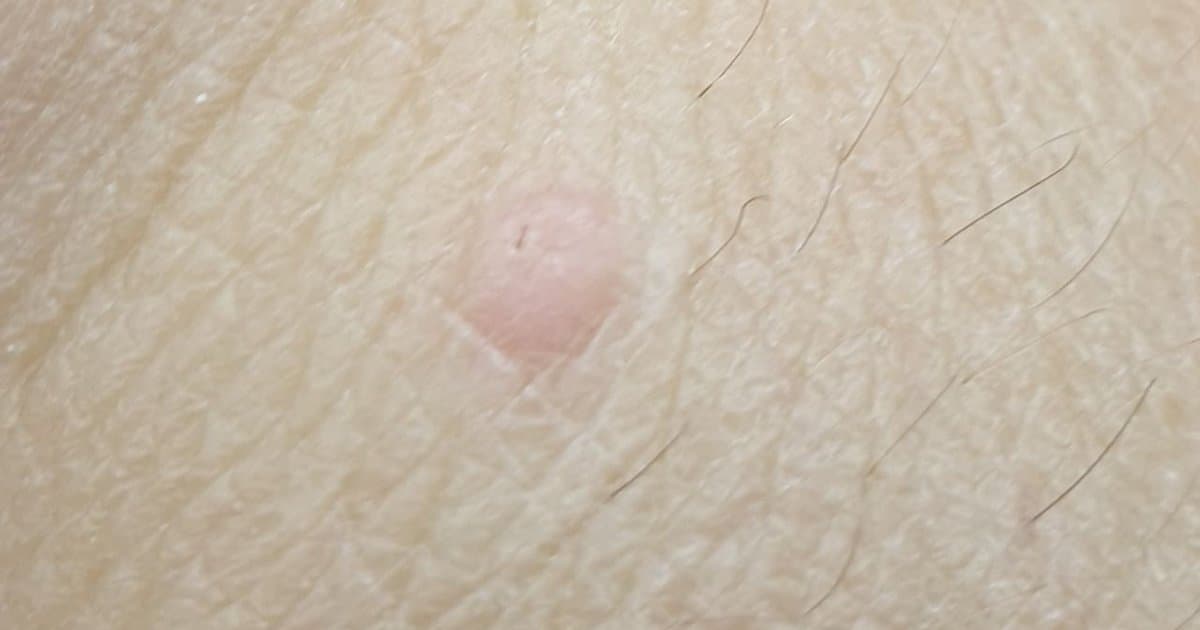
What Are Flat Warts?
Flat warts (verrucae planae) are benign, virus-caused skin growths caused by human papillomaviruses (HPV) — primarily types 3, 10, 28, and 49. They differ from common warts by their flat, smooth surface and low height (1–3 mm). Their clustered appearance is typical: often dozens to hundreds of individual lesions are found in one area. Flat warts particularly affect children and young adults.
Causes and Spread
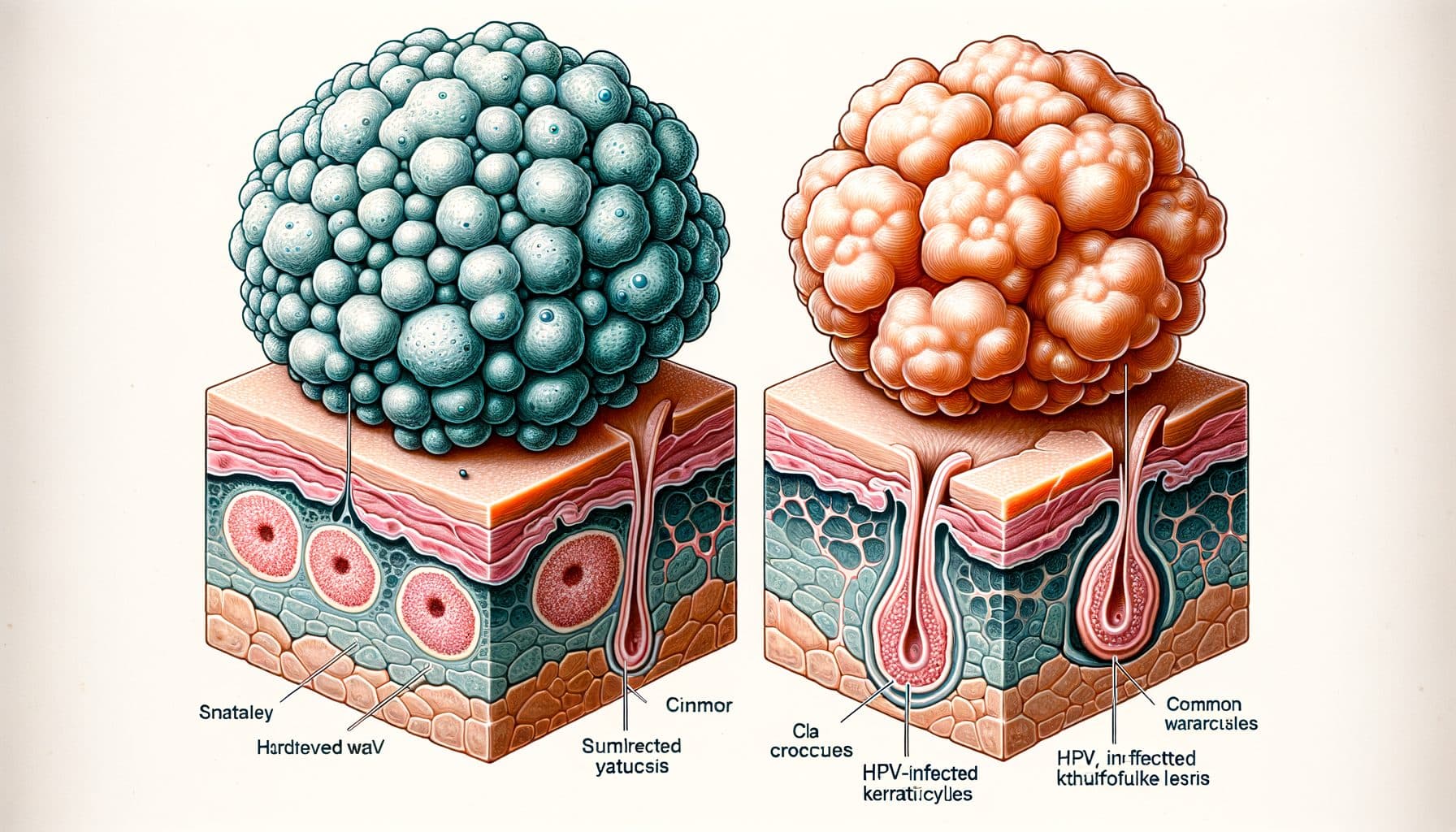
HPV viruses penetrate the epidermis through the smallest skin injuries and stimulate keratinocytes to excessive growth. Flat warts spread easily through shaving — the blade distributes virus particles along the shaving direction, leading to linear rows of warts (Koebner phenomenon).!! Scratching and rubbing promote auto-inoculation as well.
The virus can also be transmitted through direct skin contact or contaminated objects. An immature or weakened immune system favors development.
Symptoms and Appearance
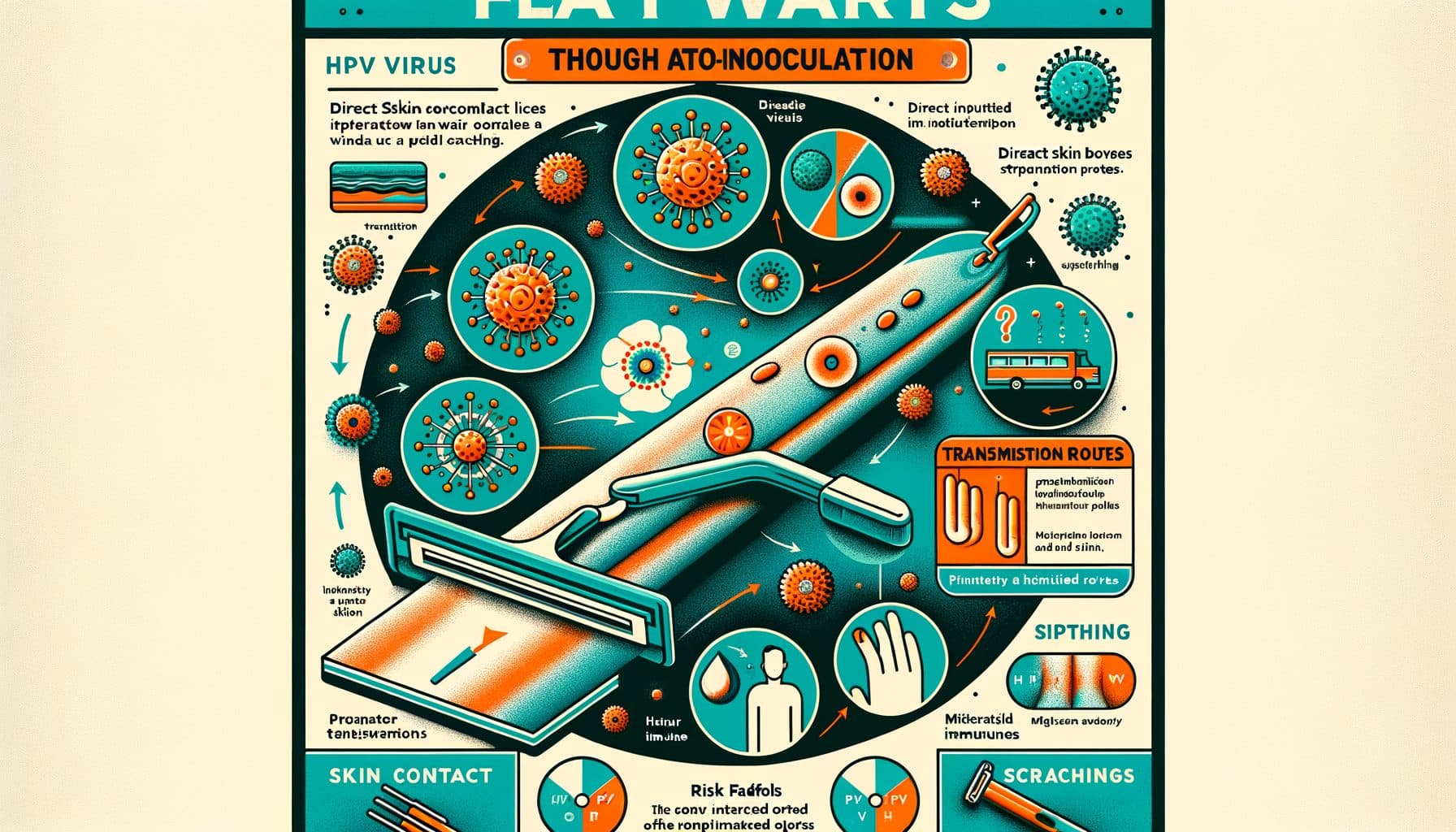
Flat warts appear as 1–5 mm, flat, slightly raised papules with a smooth surface. Color ranges from skin-colored through pink to yellowish-brown. They preferentially occur on the face (forehead, cheeks, chin), backs of hands, forearms, and shins.
Characteristic is the arrangement in groups, clusters, or linear rows (especially along the shaving direction). Unlike common warts, they are flat and smooth — not rough or cauliflower-like. Itching is rare.
Diagnosis
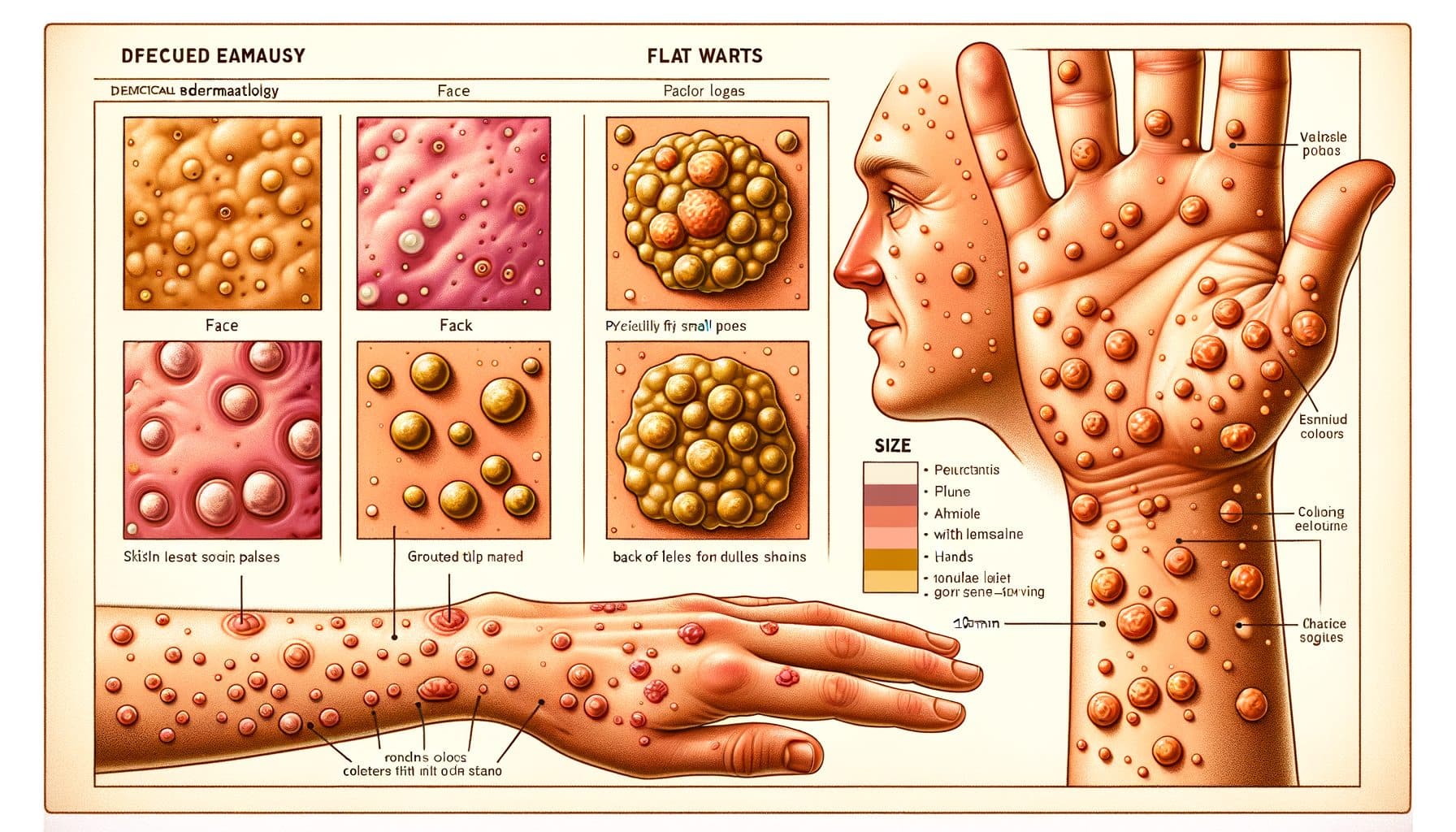
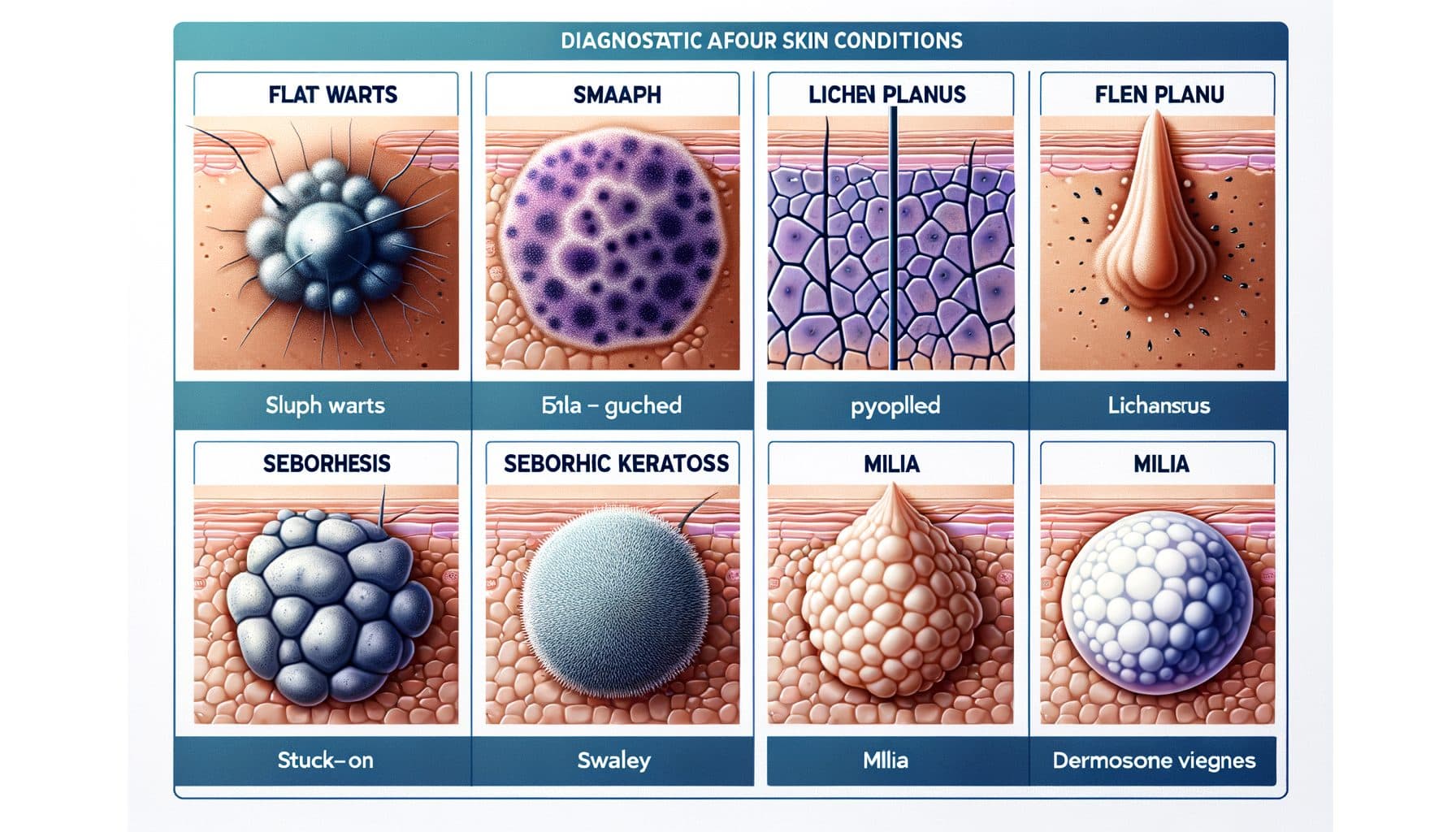
Diagnosis is clinical, based on the typical appearance: multiple, flat, smooth papules in characteristic distribution. Dermoscopically, flat warts show a regular surface without the black dots (thrombosed capillaries) of common warts. Differential diagnoses include lichen planus, seborrheic keratoses, syringomas, and milia. If uncertain, a skin biopsy can confirm the diagnosis.
Treatment Options
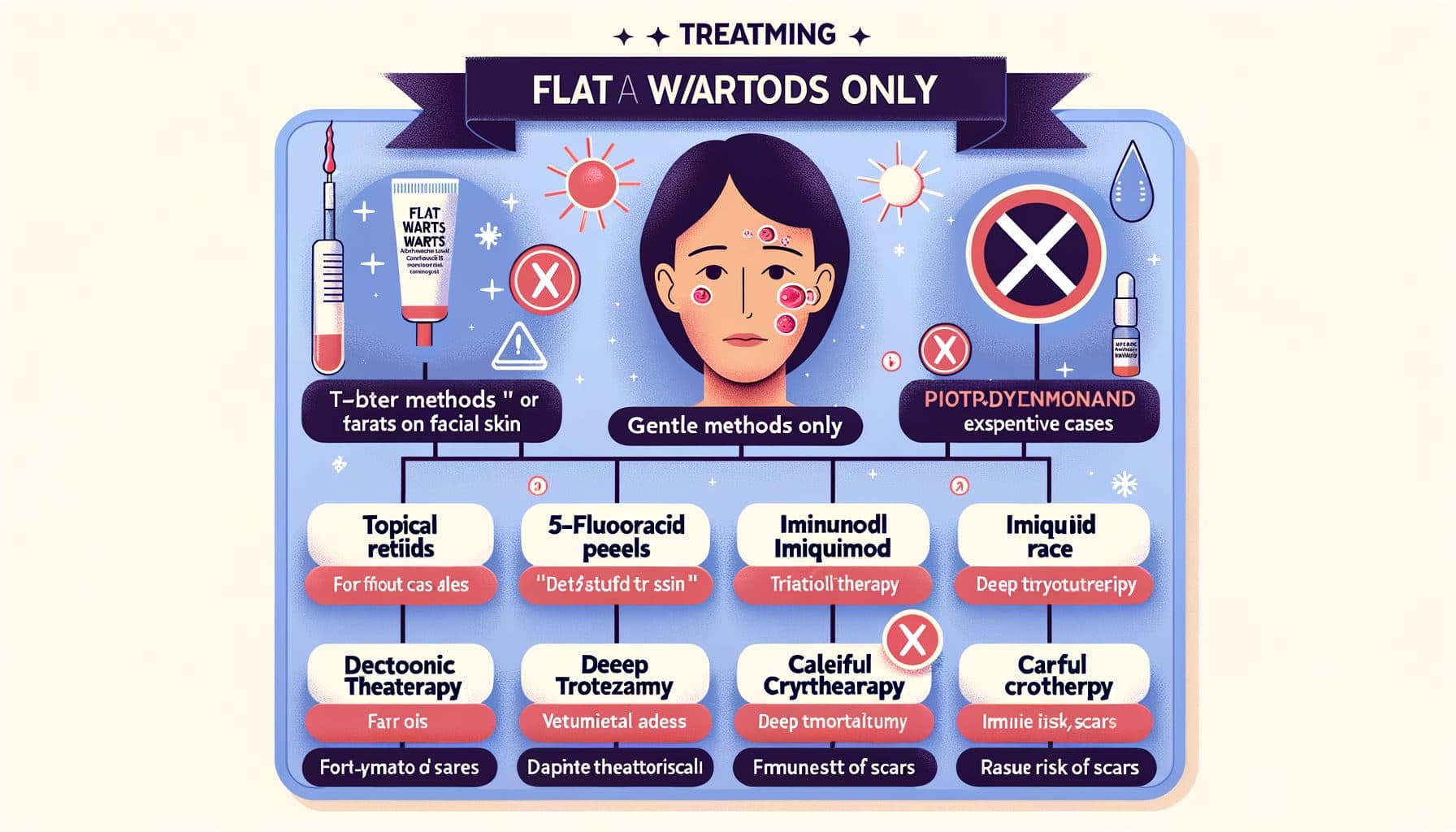
Treatment of flat warts requires special care since they frequently occur on the face where aggressive methods can leave scars. Topical retinoids (tretinoin) are first-line — they promote cell turnover and activate local immune defense. Further options: 5-fluorouracil cream, imiquimod (immune modulator), mild trichloroacetic acid peels, and careful cryotherapy with short application time.
For extensive areas, photodynamic therapy is a possibility. Aggressive methods such as deep cryotherapy or curettage on the face are discouraged.!!
Prognosis and Course
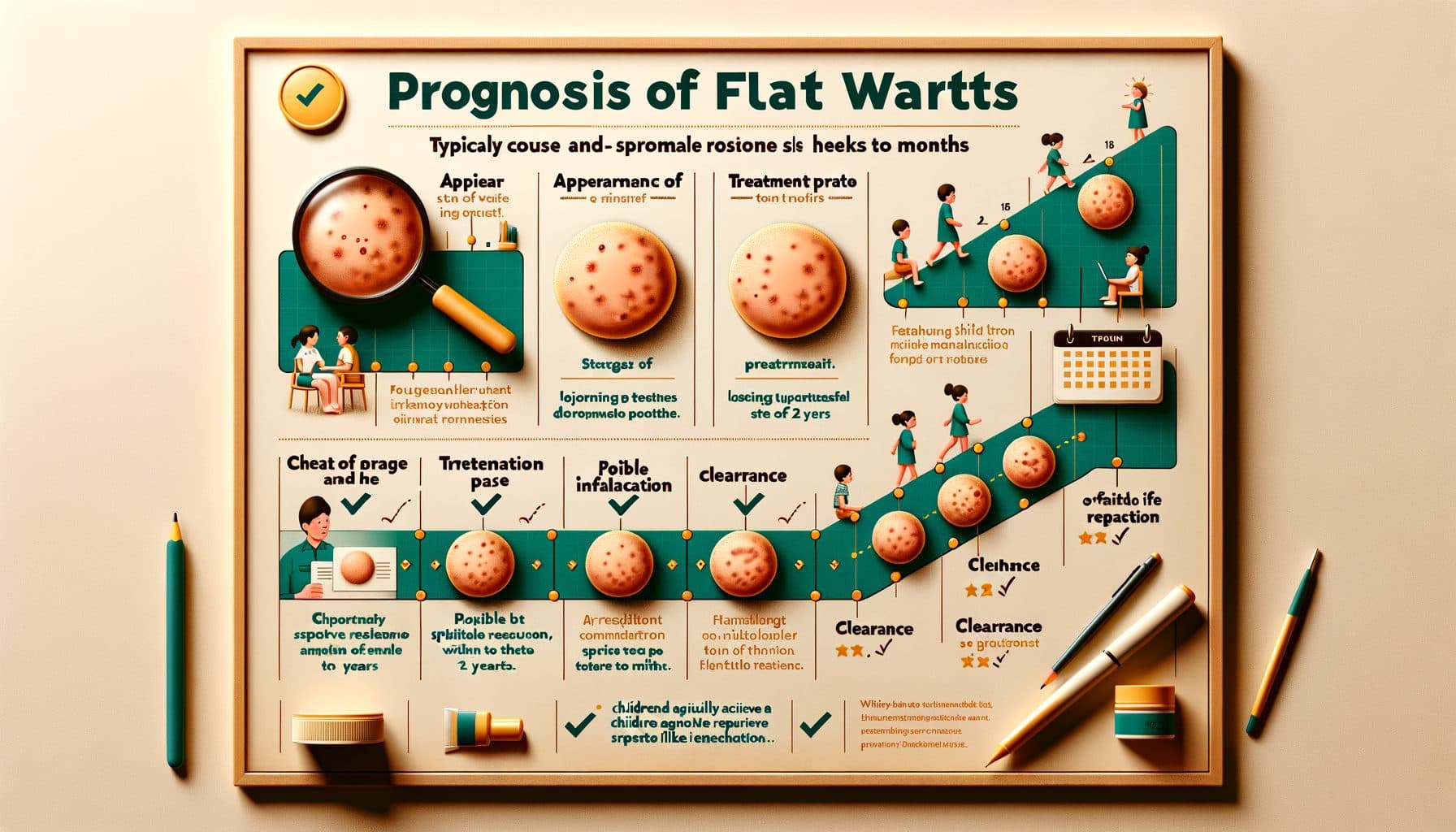
Flat warts have a good prognosis. In children, the spontaneous resolution rate is high — many flat warts disappear within 1–2 years on their own, sometimes suddenly as a sign of activated immune response (inflamed appearance before disappearing). In adults and immunocompromised patients, they can be more persistent. Patience is important: treatment aims to stimulate the immune response and often requires weeks to months of consistent application.
How AI Skin Analysis Can Help
Flat warts can be subtle and easily confused with other conditions such as lichen planus, milia, or seborrheic keratoses. Skinscanner analyzes the size, shape, distribution, and surface characteristics of your skin bumps to help determine whether they are consistent with flat warts. Because flat warts often appear in large numbers on the face, accurate identification is particularly important to avoid inappropriate treatment that could leave scars.
Regular photo documentation helps you track whether your treatment is reducing wart numbers and whether new lesions are appearing — progress that is difficult to assess by memory alone when dealing with dozens of tiny lesions. Skinscanner does not replace dermatologic evaluation, but it provides accessible initial guidance and helps you monitor treatment effectiveness over the weeks to months that flat wart therapy typically requires.