
What Is Cystic Acne?
Cystic acne (nodular or nodulocystic acne, acne conglobata) is the most severe form of acne vulgaris. It is characterized by deep, inflammatory nodules and cysts beneath the skin surface that are painful and can lead to permanent scarring without treatment. The lesions extend deeper than ordinary pimples — into the dermis and subcutis — and can persist for weeks. Cystic acne commonly affects the face, back, chest, and upper arms.
Causes and Risk Factors
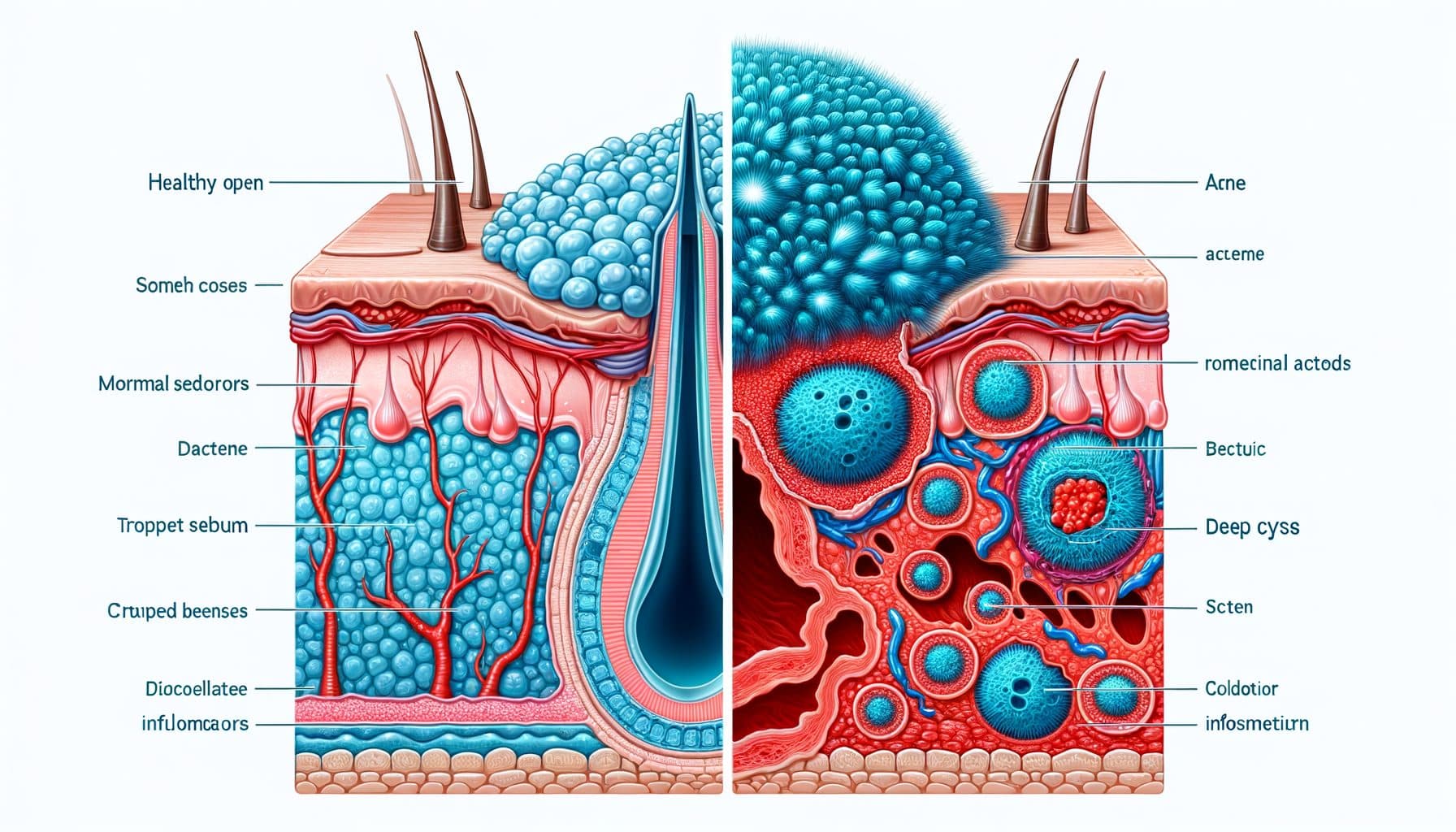
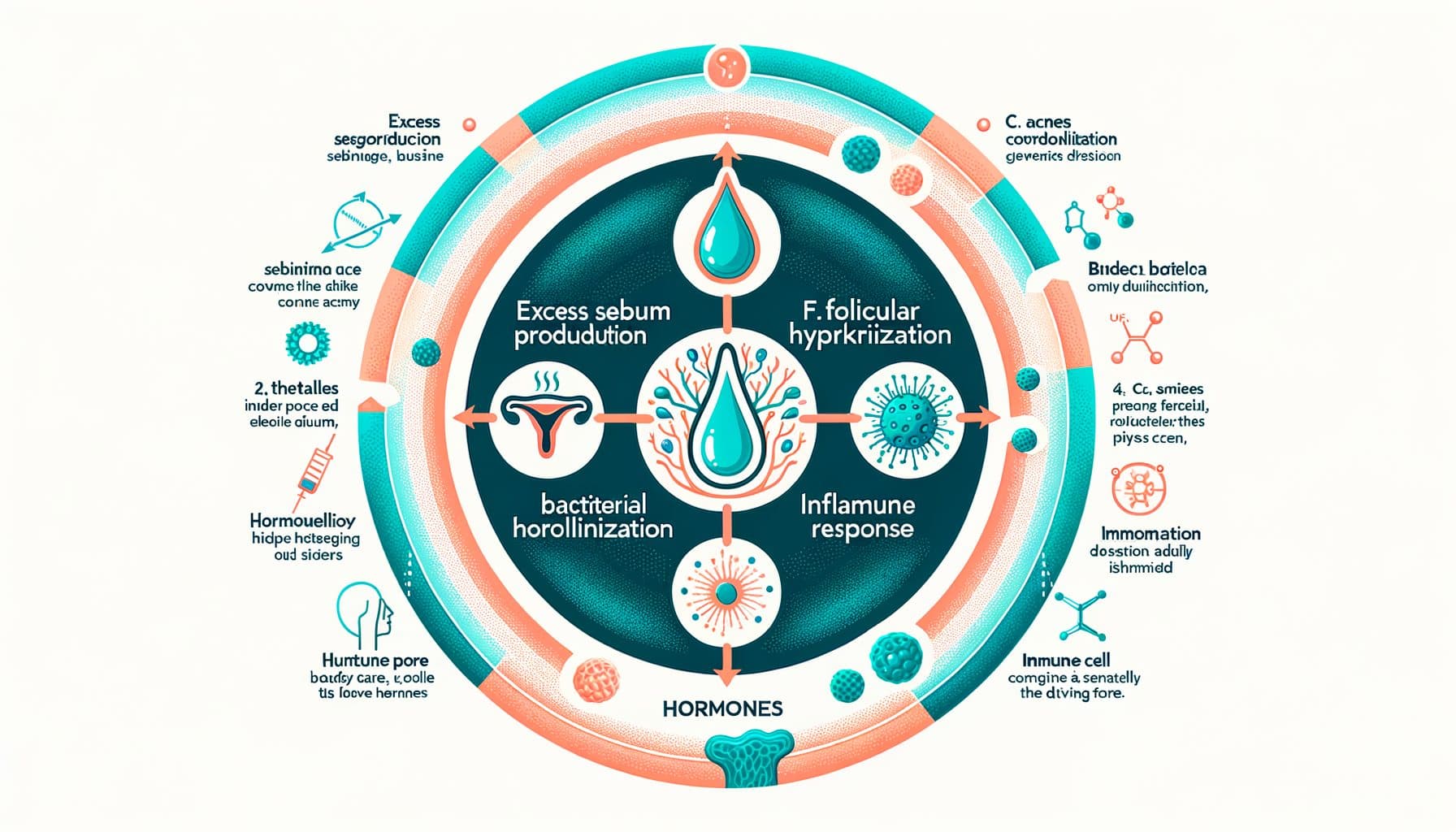
The development is multifactorial: hormonally driven overproduction of sebum, hyperkeratinization of the follicular opening, colonization with Cutibacterium acnes, and an excessive inflammatory response lead to deep abscesses. Androgens play a central role — this is why cystic acne frequently occurs during puberty, in PCOS, and during hormonal fluctuations. Genetic predisposition is a strong factor. Diet (high glycemic load, dairy products), stress, and certain medications can worsen the course.
Symptoms and Appearance
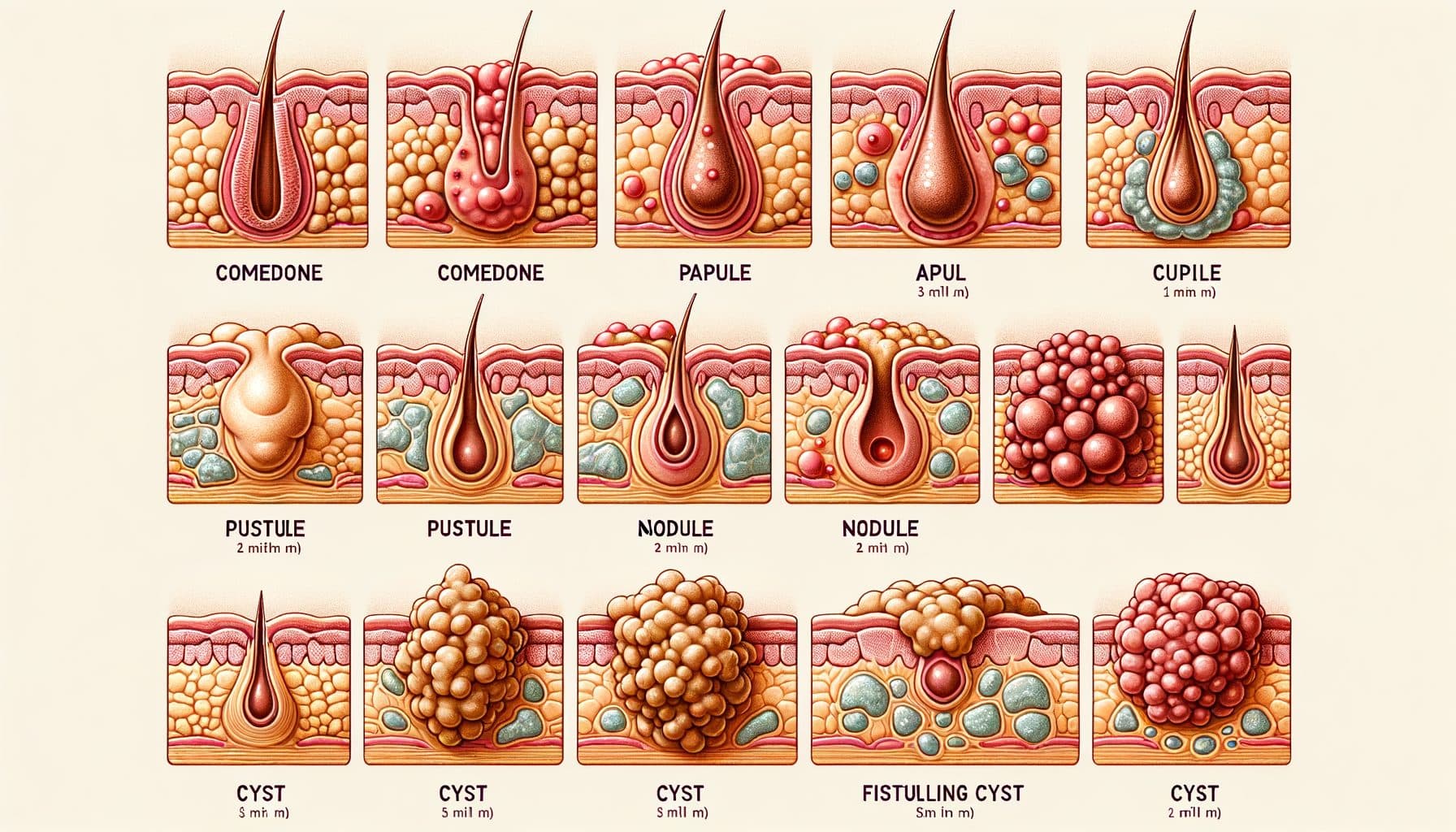
Cystic acne presents as deep, firm, painful nodules (>5 mm) that are palpable beneath the skin and cause surface distortion. Inflammatory cysts may contain fluid and are tender to pressure. Comedones, papules, and pustules are usually also present.
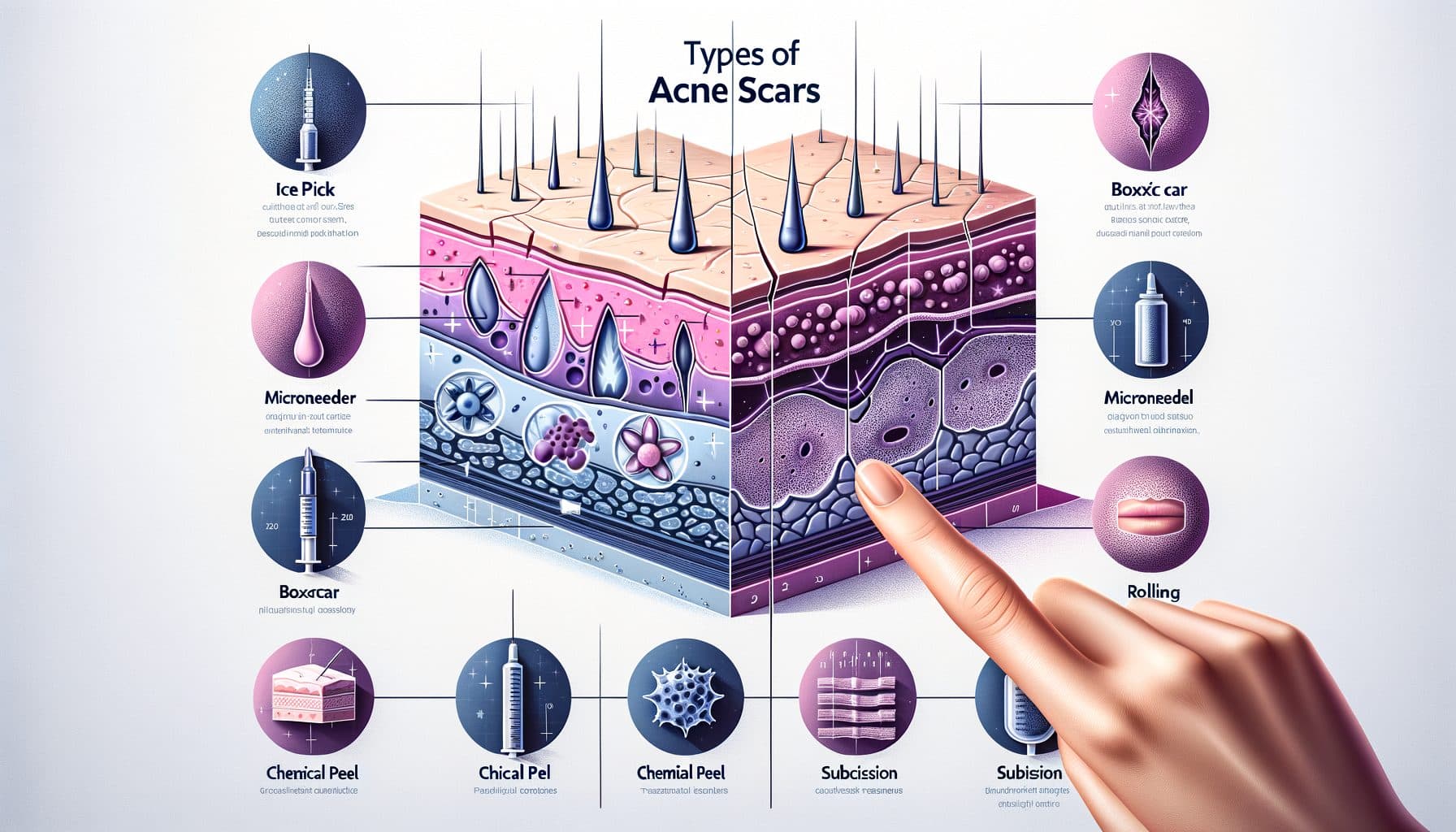
In acne conglobata, communicating tracts and fistulae form between adjacent cysts. The skin often appears diffusely reddened and swollen. Without treatment, ice-pick, boxcar, or rolling scars typically develop.
Diagnosis
Diagnosis is clinical, based on the typical morphology of deep inflammatory nodules and cysts. Severity is assessed by extent, number of lesions, and scar formation. In women with additional androgenization signs (hirsutism, menstrual irregularities), hormonal evaluation with DHEA-S, testosterone, and possibly ovarian ultrasound should be performed. Differential diagnosis includes rosacea, folliculitis, hidradenitis suppurativa, and drug-induced acne.

Treatment
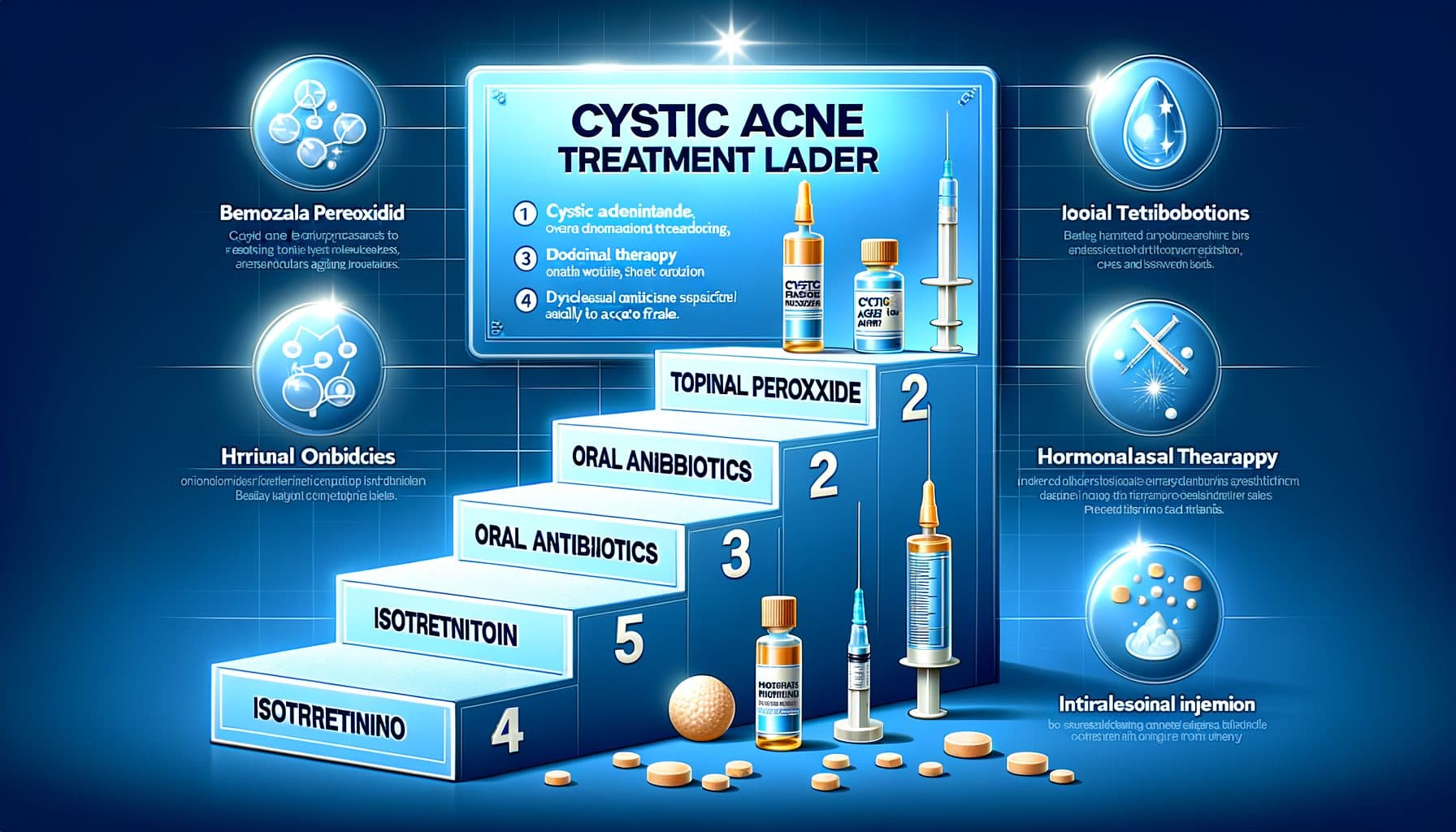
Cystic acne typically requires systemic therapy. Isotretinoin (systemic retinoid) is the most effective medication with the highest remission rates.!! It simultaneously reduces sebum production, keratinization, and inflammation.
Alternatives include oral antibiotics (doxycycline, minocycline) combined with topical retinoids and benzoyl peroxide. For women, hormonal therapies (combined oral contraceptives, spironolactone) may be beneficial. Intralesional corticosteroid injections provide rapid relief for individual, acutely inflamed cysts.
Scar Prevention and Treatment
Early, aggressive treatment is the best protection against scarring. Under no circumstances should cysts be squeezed — this worsens inflammation and dramatically increases scarring risk.!! Existing scars can be improved with various procedures: fractional laser treatment, microneedling, chemical peels, subcision for rolling scars, and filler materials for atrophic scars.
Treatment is often multimodal and requires multiple sessions. Sun protection supports scar healing.
How AI Skin Analysis Can Help
Tracking cystic acne over time is essential for evaluating treatment effectiveness — but it's difficult to remember how your skin looked weeks ago. Skinscanner provides objective photo-based tracking that documents lesion count, severity, and scarring progression over time. By photographing your skin regularly during isotretinoin treatment or other therapies, you build a clear visual timeline that shows whether things are improving, stable, or worsening.
This data is especially valuable for dermatology follow-ups, where your skin may not represent its typical state on any single visit day. The AI analysis can also help distinguish cystic acne from conditions that may look similar, such as rosacea or folliculitis. Skinscanner does not replace dermatologic care — cystic acne requires professional treatment — but it empowers you with objective monitoring tools that support better treatment decisions.