What Is Acne and Why Won't It Just Go Away?
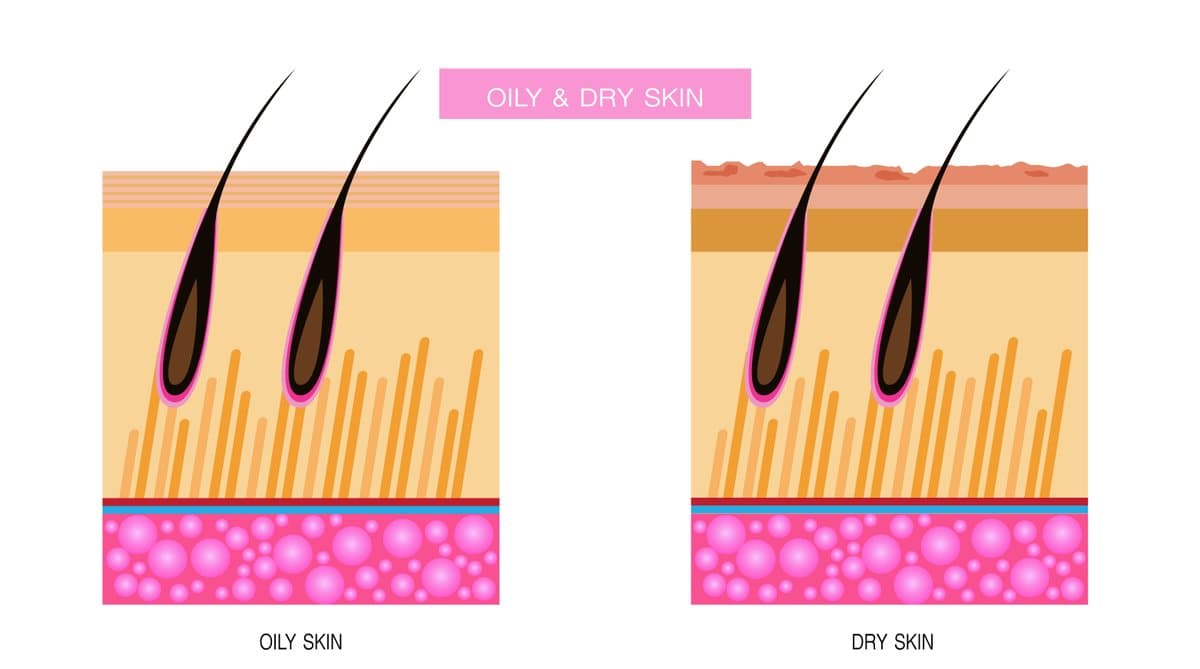
Acne vulgaris is the most common skin condition in the world, affecting approximately 50 million Americans annually and up to 85% of people between ages 12 and 24. But if you're suffering from acne in your 30s, 40s, or beyond, you're far from alone—adult acne is increasingly prevalent, particularly in women. Acne develops when hair follicles become clogged with oil (sebum) and dead skin cells, creating an environment where bacteria (specifically Cutibacterium acnes, formerly known as Propionibacterium acnes) thrive and trigger inflammation.
What starts as a simple clogged pore—a comedone—can escalate into inflamed papules, pustules, nodules, or painful cysts. The four key factors driving acne are excess sebum production, abnormal keratinization (skin cells shedding improperly), bacterial colonization, and inflammation. But here's what makes acne so frustrating: it's not just one problem with one solution.
Your acne is the result of a complex interplay of genetics, hormones, environment, diet, stress, and skin care habits. The treatments that cleared your friend's skin might do nothing for yours—or make it worse. Meanwhile, every day of untreated inflammatory acne increases your risk of permanent scarring.
Those dark spots and pitted scars you see on faces around you? Most could have been prevented with earlier, more aggressive intervention. The longer you wait to address acne properly, the more likely you are to carry its marks for life. Upload a photo and get results in seconds to understand what type of acne you're dealing with.
Types of Acne: From Blackheads to Cystic Nightmares
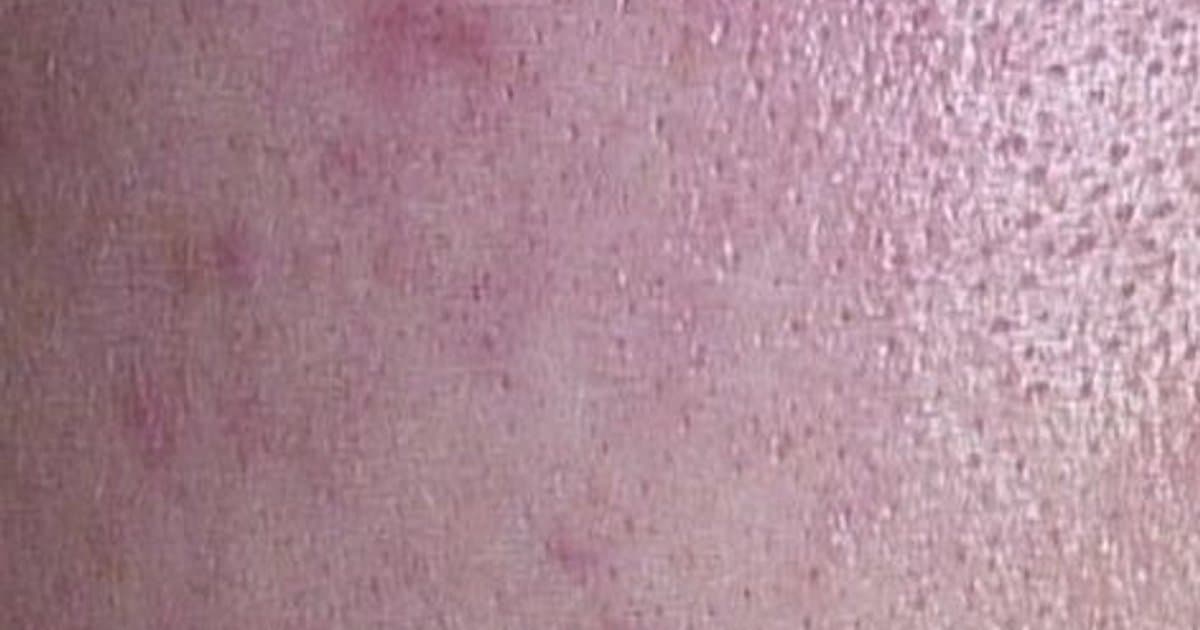
Not all acne is created equal, and understanding your specific type is critical for effective treatment. Comedonal acne consists of blackheads (open comedones) and whiteheads (closed comedones)—non-inflammatory lesions that form when pores are clogged but not yet infected. Blackheads appear dark due to oxidation, not dirt.
Whiteheads are closed bumps filled with sebum and dead cells. Inflammatory acne escalates the situation: papules are small, tender red bumps without a visible head; pustules are the classic pimples with white or yellow centers filled with pus. These lesions are painful and can last for weeks if left alone.
Nodular acne involves large, solid, painful lumps deep beneath the skin's surface that can persist for months and nearly always leave scars. Cystic acne is the most severe form—deep, pus-filled lesions that hurt intensely and feel like painful knots under the skin. Cysts can be the size of pencil erasers or larger, and they frequently cause permanent atrophic (pitted) or hypertrophic (raised) scars.
Acne fulminans is a rare, severe form accompanied by fever and joint pain requiring immediate medical intervention. Acne mechanica results from friction, heat, and pressure—common in athletes who wear helmets or equipment. Hormonal acne typically appears along the jawline and chin, flaring with menstrual cycles.
Fungal acne (actually not acne at all but pityrosporum folliculitis) presents as uniform small bumps that don't respond to traditional acne treatments. If you're treating papules with products designed for comedones, or attacking cystic acne with drugstore spot treatments, you're wasting time and money while your scarring risk increases daily. Your skin tells a story. Let AI read it.
The Real Causes: Hormones, Diet, and Everything in Between
Everyone wants to blame acne on a single cause—chocolate, not washing enough, being stressed—but the truth is far more complex and frustrating. Hormones are the primary driver for most people, particularly androgens like testosterone that increase sebum production and stimulate the skin cells lining hair follicles. This explains why acne typically begins at puberty when hormone levels surge, why women experience premenstrual breakouts, why polycystic ovary syndrome (PCOS) causes severe acne, and why some adults develop acne when starting or stopping birth control pills.
Diet's role in acne has been controversial, but emerging evidence strongly links high-glycemic foods and dairy consumption to increased acne severity. Foods that spike blood sugar trigger insulin release, which increases androgen production and inflammation. Skim milk appears particularly problematic due to hormone content and whey proteins.
Genetics load the gun—if both your parents had acne, you have a much higher likelihood of developing it too. Stress doesn't directly cause acne, but it triggers cortisol release that increases oil production and inflammation. Your skin care routine might be sabotaging you: over-washing strips protective oils, triggering rebound sebum production; heavy moisturizers and makeup can be comedogenic (pore-clogging); using too many active ingredients simultaneously causes irritation and barrier disruption.
Medications including corticosteroids, lithium, and some anticonvulsants can trigger acne. Environmental factors like humidity, pollution, and wearing occlusive clothing or equipment contribute. The frustrating reality?
You might be doing everything 'right'—eating well, maintaining a careful skin care routine, managing stress—and still breaking out because your hormones or genetics won't cooperate. Not sure if it's serious? Let our AI take a look.
Over-the-Counter vs. Prescription: When to Escalate Treatment
Walk into any drugstore and you'll face an overwhelming wall of acne products making bold promises. Some work; many don't. 5-2%), a beta-hydroxy acid that exfoliates and unclogs pores; alpha-hydroxy acids like glycolic acid that promote cell turnover; sulfur products that dry lesions and reduce bacteria; and retinol (weaker than prescription retinoids) that improves cell turnover.
For mild comedonal acne, these can be effective with consistent use over 8-12 weeks. But here's the critical decision point: if you've been using over-the-counter products consistently for three months without significant improvement, or if you have anything beyond mild acne, you're wasting precious time and risking permanent scarring by not seeing a dermatologist.!! Prescription topicals are significantly more powerful: tretinoin, adapalene, and tazarotene (retinoids) dramatically increase cell turnover and prevent comedone formation; topical antibiotics like clindamycin reduce bacteria; combination products like Epiduo (adapalene + benzoyl peroxide) attack multiple acne pathways simultaneously.
For moderate to severe inflammatory acne, oral antibiotics (doxycycline, minocycline) reduce bacteria and inflammation but should be time-limited due to antibiotic resistance concerns. Hormonal treatments for women—combined oral contraceptives and spironolactone—address the root hormonal causes and can be life-changing for hormonal acne. Isotretinoin (Accutane) is the only medication that can permanently cure severe acne by dramatically shrinking sebaceous glands, but it requires careful monitoring due to serious potential side effects.
The longer you allow severe acne to persist, the more inflammation damages your skin's architecture, creating scars that will haunt you long after the acne finally clears. Every month you delay proper treatment is a month of unnecessary suffering and increased scarring risk. Check your skin now with a free AI scan to understand your acne severity.
The Scarring Reality: Why Early Treatment Matters
Here's the harsh truth they don't emphasize enough: acne scars are permanent.!! While treatments can improve their appearance, they can never completely restore your skin to its original state. Atrophic scars—ice pick, boxcar, and rolling scars—create permanent depressions in the skin where inflammatory acne has destroyed collagen and fat.
Ice pick scars are narrow, deep pits that look like the skin was punctured with a sharp instrument. Boxcar scars are wider depressions with defined edges. Rolling scars create wave-like undulations across the skin surface.
Hypertrophic and keloid scars are raised, thick scars that form when the skin produces too much collagen during healing—these are more common on the chest, back, and shoulders. Post-inflammatory hyperpigmentation (PIH) creates dark spots that can last for months or years, particularly in darker skin tones. Post-inflammatory erythema (PIE) leaves red or purple marks that fade slowly.
While PIH and PIE eventually improve, true atrophic scars are forever unless you invest in expensive, uncomfortable treatments like laser resurfacing, microneedling, subcision, or punch excision—none of which are fully covered by insurance and all of which have their own risks and limitations. The single most important factor in preventing acne scars is early, aggressive treatment of inflammatory acne before it has a chance to destroy your skin's structure.!! Every inflamed papule, pustule, nodule, or cyst is an opportunity for permanent scarring.
Picking, popping, or aggressively scrubbing lesions dramatically increases scarring risk. The difference between smooth skin and permanent textural damage often comes down to whether you sought proper treatment during the active acne phase or waited, hoping it would resolve on its own. It won't. Take 30 seconds to scan—it could save your skin.
Adult Acne: Why You're Still Breaking Out at 35
You survived adolescence. You're a responsible adult with a skin care routine and healthy habits. So why are you still getting pimples—or worse, developing acne for the first time in your 30s or 40s?
Adult acne, particularly in women, is increasingly common and uniquely frustrating. Hormonal fluctuations remain the primary culprit: perimenopause, starting or stopping birth control, pregnancy, and PCOS all trigger breakouts. Adult female acne typically manifests as deep, painful lesions along the jawline, chin, and neck that flare premenstrually—this pattern screams hormonal origin and rarely responds adequately to topical treatments alone.
Chronic stress elevates cortisol, which increases inflammation and oil production while suppressing immune function. ' Dietary factors may play a larger role in adult acne than teenage acne, particularly dairy and high-glycemic foods. Medications including some antidepressants, hormones, and corticosteroids trigger breakouts.
' erodes self-esteem and quality of life. Adult skin is also more prone to post-inflammatory hyperpigmentation, meaning those dark marks linger longer. The combination of acne, early aging signs, and hyperpigmentation creates a uniquely frustrating skin care challenge.
Treatment approaches differ for adult acne: retinoids address both acne and aging; hormonal treatments become more important; gentler, barrier-supporting products replace harsh teenage acne washes. Don't suffer in silence assuming you're stuck with this forever. Curious about that spot? Get instant AI analysis.

Building an Effective Acne Routine: The Do's and Don'ts
The internet is full of 10-step Korean skincare routines and miracle cures, but effective acne management requires a strategic, consistent approach tailored to your specific skin. Here's what actually works: Morning routine should include a gentle cleanser (not harsh sulfate-based face wash that strips your skin), a treatment product containing benzoyl peroxide or salicylic acid, a lightweight non-comedogenic moisturizer (yes, even if you're oily—dehydrated skin overproduces oil), and broad-spectrum SPF 30+ sunscreen (essential, especially if using acne medications that increase sun sensitivity). Evening routine involves the same gentle cleanser, a retinoid product (over-the-counter adapalene or prescription tretinoin), and moisturizer.
Start retinoids slowly—twice weekly initially—to build tolerance. The deadly mistakes people make: over-cleansing (more than twice daily strips protective oils and damages the skin barrier, triggering more breakouts); mixing too many active ingredients simultaneously (benzoyl peroxide, salicylic acid, retinoids, and AHAs all at once causes irritation without better results); skipping moisturizer (dehydrated skin is inflamed skin, and inflammation worsens acne); picking, popping, or scrubbing (introduces bacteria, causes scarring, and spreads infection); constantly switching products (acne treatments need 8-12 weeks to show results; switching every few weeks guarantees failure); using pore strips and harsh scrubs (these damage skin and provide only superficial, temporary improvement); applying spot treatments to dry skin (active ingredients penetrate better and cause less irritation when applied to damp skin). The ingredient myths you need to ignore: oil-free doesn't mean non-comedogenic; natural doesn't mean better (poison ivy is natural); expensive doesn't mean more effective.
Consistency matters more than complexity. A simple routine maintained religiously beats an elaborate system used sporadically. Your skin tells a story. Let AI read it.
How Skinscanner Helps You Take Control of Your Acne
Acne is frustrating partly because it's so variable—what's that bump? Is it getting better or worse? Should you see a dermatologist or give your current routine more time?
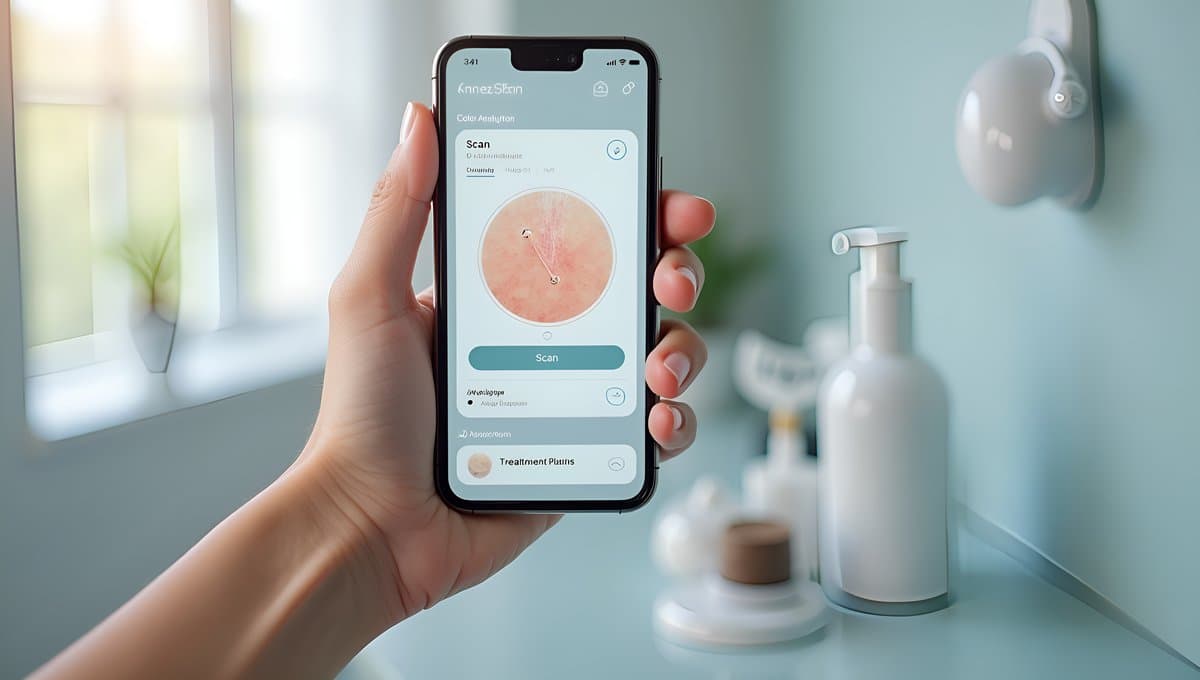
Skinscanner provides the objective analysis you need to make informed decisions about your skin. Our artificial intelligence has been trained to distinguish between different types of acne lesions—comedones, papules, pustules, nodules, and cysts—and assess overall severity. Simply photograph your affected areas using your smartphone, and our AI analyzes the images within seconds, providing an assessment of your acne type and severity level.
This is particularly valuable for tracking progress over time: upload weekly photos and the AI can objectively measure whether your current treatment regimen is working or if you need to escalate care. For those wondering whether their acne warrants professional intervention, Skinscanner offers guidance on when dermatologist consultation is recommended versus when continued home treatment is appropriate. The app also helps distinguish acne from look-alike conditions including rosacea, perioral dermatitis, folliculitis, and fungal infections that won't respond to traditional acne treatments and require different approaches.
For those dealing with post-inflammatory marks, the AI can track pigmentation changes over time, helping you evaluate whether your dark spots are fading or if you need additional intervention. Skinscanner doesn't replace dermatologic care—severe acne, especially nodular and cystic acne, requires professional treatment to prevent scarring—but it empowers you with knowledge and documentation that helps you communicate more effectively with providers and make timely decisions about when to seek help. Acne steals enough from you—confidence, comfort, time, money.
Don't let uncertainty and confusion steal more. Check your skin now with a free AI scan and take the first step toward clearer skin and peace of mind.